Replacement Cost vs Market Value in Home Insurance
Market value includes the land; replacement cost is what it takes to rebuild the house. Here is why the gap matters for your dwelling…
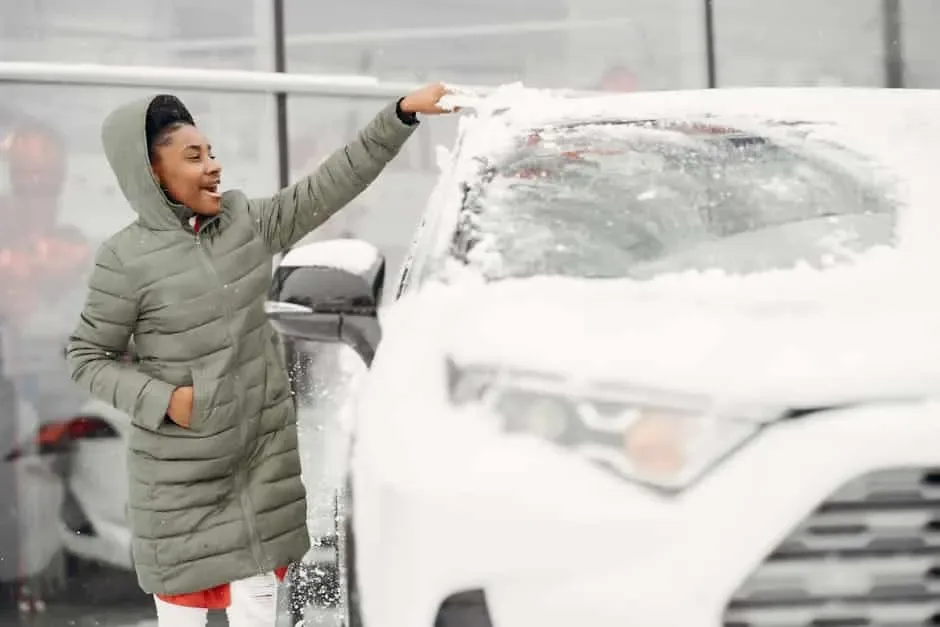
To winterize your car, check five things before the first storm: tires, battery, fluids, wipers and lights, and brakes. Then pack an emergency kit and take ten minutes to confirm what your insurance covers if winter goes wrong. In Massachusetts, where snow, ice and nor'easters arrive every year, that short list can prevent a stranded morning and some of the most common winter claims.
This checklist comes from Stanton Insurance Agency in Waltham. The car care steps are general maintenance advice; follow your owner's manual and your mechanic for anything specific to your vehicle.
Keep a small bin in the trunk from November through March:
If you are stuck in snow, stay with the car unless help is close and visible, keep the exhaust pipe clear of snow before running the engine, and run it only in short intervals for heat.
Brush the roof, hood, trunk, lights and every window, not just a peephole in the windshield. Ice and snow that fly off a roof can hit the car behind you, and you could be held responsible for the damage. A clean car also means you can see and be seen.
| Winter situation | Coverage that usually responds |
|---|---|
| You slide into a snowbank, pole or another car | Collision (minus your deductible) |
| Someone slides into you | Their property damage liability, or your collision |
| A branch or ice falls on your parked car | Comprehensive (minus your deductible) |
| A pothole damages a wheel or suspension | Usually collision |
| The car is stolen while warming up unattended | Comprehensive |
| You need a tow out of a ditch | Towing and labor coverage, if you added it |
| You need a rental while it is repaired | Substitute transportation, if you added it |
| Rust from road salt, a dead battery, a cracked hose | Not covered; this is maintenance |
| Injuries in a winter crash | Personal injury protection first, then liability or uninsured motorist coverage |
The common gap is physical damage coverage on an older car. If you dropped collision and comprehensive, a slide into a guardrail or a fallen limb is yours to pay for. If you are unsure what you carry, our guide your car insurance explained walks through each coverage, and what collision insurance covers goes deeper on crashes.
Some people put a summer car or a convertible away from fall to spring. In Massachusetts, a registered car needs insurance, so don't simply cancel the policy on a car with active plates. Talk to your agent about the options before you store it; our article on insuring an unregistered car in Massachusetts explains the rules. Keeping comprehensive on a stored car protects it from theft, fire and a garage roof that gives way under snow.
Stanton has an in-house claims department that helps customers with claim forms and with the insurance company, and we can be reached after hours in an emergency.
Fall is a good time to confirm your deductibles and whether you carry towing and substitute transportation. Call our Waltham office at 781-893-3200, see our car insurance options, or request a quote.
Market value includes the land; replacement cost is what it takes to rebuild the house. Here is why the gap matters for your dwelling…
Massachusetts handles proof of insurance through registration, not SR-22 filings. Here is when a Massachusetts driver may still need one, and how to handle…
Your driving record, your car, where it is garaged, how far you drive and the coverage you pick all shape your premium. Here is…
Our Waltham agents compare policies from several carriers and explain the differences in plain terms.