
Why Understanding Home Construction Insurance Cost Matters
Home Construction Insurance Cost is a critical consideration for anyone starting on a building or renovation project in Massachusetts or New Hampshire. Whether you’re breaking ground on a new home or undertaking a major remodel, understanding what you’ll pay to protect your investment can help you budget accurately and avoid costly surprises.
Quick Answer: What You’ll Pay
- Typical Range: 1% to 5% of your total construction budget
- Average Monthly Cost: $105 per month ($1,259 annually)
- Minimum Premium: Often starts around $375
- Example: A $200,000 project might cost $2,000 to $10,000 for coverage
Key Cost Factors:
- Project type (new build, renovation, or installation)
- Location and proximity to fire stations or flood zones
- Construction materials (wood frame vs. fire-resistive)
- Coverage limits and deductible choices
- Optional add-ons like flood or earthquake coverage
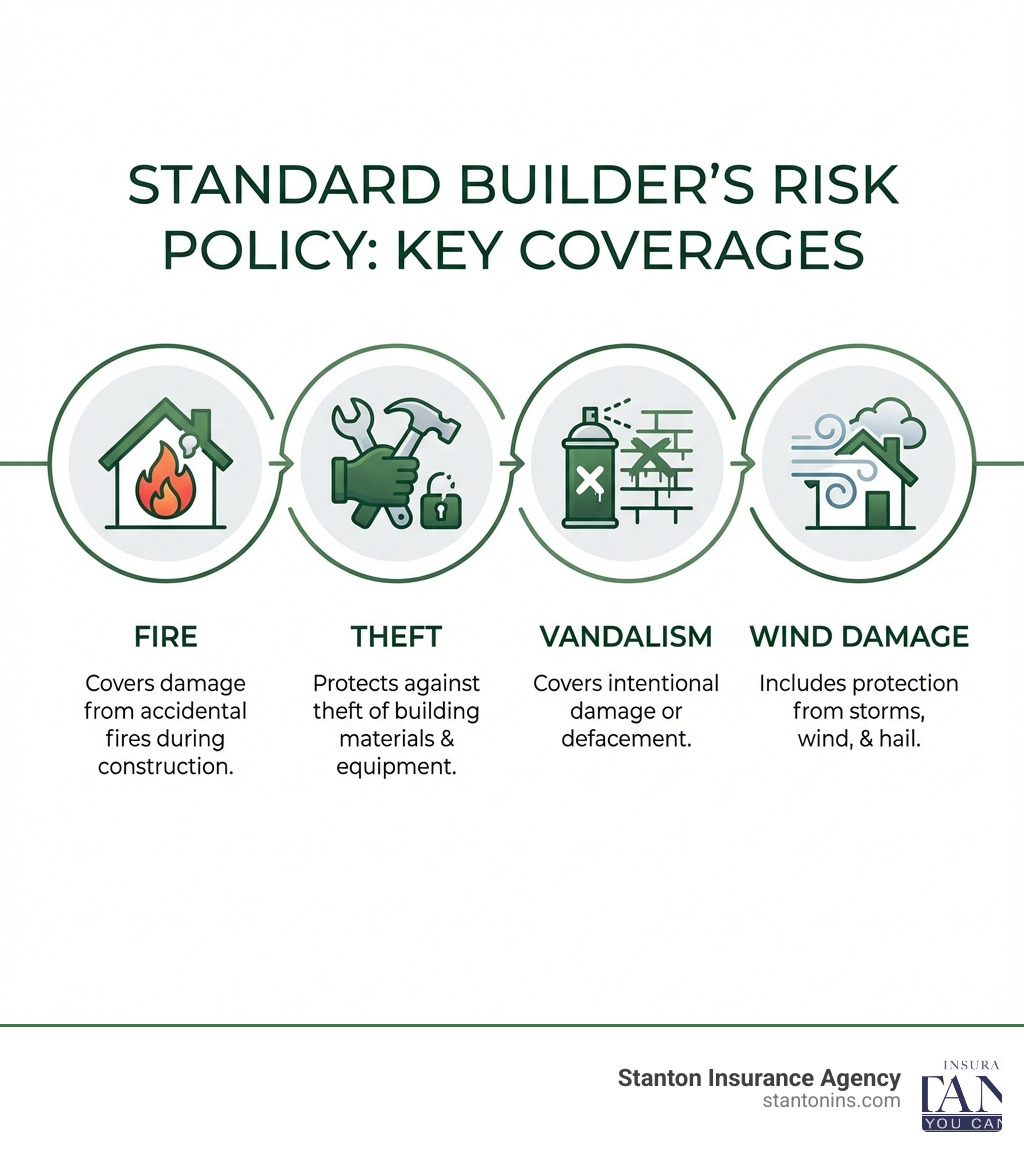
Home construction insurance, commonly called builder’s risk insurance, is not the same as regular homeowners insurance. It’s a specialized policy designed to protect your property, materials, and financial investment during the construction phase. Without it, a single fire, storm, or theft could halt your project indefinitely and leave you facing devastating out-of-pocket expenses. While general information about this coverage is available online, it’s best to work with a local agent to tailor it to Massachusetts and New Hampshire requirements. This guide will walk you through everything you need to know about Home Construction Insurance Cost—from how premiums are calculated to practical strategies for reducing your rate—so you can protect your project from day one.
I’m Geoff Stanton, President of Stanton Insurance Agency in Waltham, Massachusetts, and I’ve spent over two decades helping homeowners and contractors steer Home Construction Insurance Cost and secure the right coverage for their projects. Whether you’re building in Waltham, Newton, or anywhere across New England, my team and I are here to make the process clear and straightforward.
The Average Home Construction Insurance Cost

One of the first questions homeowners and contractors ask is, “How much will this cost?” The good news is that a Builders Risk Insurance Policy is often more affordable than many realize. While prices vary, a general rule of thumb is that builder’s risk insurance typically costs between 1% and 5% of the total construction budget. For smaller projects, the average monthly cost is around $105, or about $1,259 annually. Most insurance carriers also have a minimum premium, which often starts around $375 for the policy term, making it accessible even for smaller-scale renovations.
How Premiums Are Calculated
The premium for a builder’s risk policy is not arbitrary; it’s calculated based on a specific formula that assesses the project’s overall risk. The core calculation involves multiplying the total estimated project value by a rate determined by the insurer. This rate is influenced by the numerous factors we’ll explore below. It’s also important to understand the difference between “admitted” and “non-admitted” insurance carriers. Admitted carriers are regulated by the state (like Massachusetts and New Hampshire) and cannot add extra policy fees. Non-admitted carriers may add surplus line taxes and fees, which can increase the overall cost.
Key Factors That Influence Your Premium
The final price tag on your home construction insurance is not a one-size-fits-all figure. It is a custom premium based on a detailed risk assessment of your specific project. Insurers analyze several key variables to determine your rate, with the most significant being the project’s scope, its physical location, the materials being used, and the coverage limits you select. Understanding these elements can help you anticipate costs and make informed decisions.
How Project Type Affects Your Home Construction Insurance Cost
The nature of your project is a primary cost driver. Rates can vary by as much as 50% depending on the type of work being done.
- New Construction: Building a home from the ground up. While these are often large projects, they can sometimes be simpler to insure than complex renovations because the site is a clean slate. Learn more about New Construction Insurance.
- Remodeling/Renovation: This category can have the highest risk, especially for major remodels that involve structural changes to an existing home. Working around an existing structure, which may have older wiring or plumbing, adds a layer of complexity and potential liability.
- Installation: These are typically the least costly projects to insure. An installation project, such as installing a new HVAC system or a large appliance, has a shorter duration and lower overall risk exposure.
Why Location Matters: Massachusetts and New Hampshire Risks
Where your project is located is one of the most significant factors in pricing. Insurers in New England are particularly attuned to regional risks.
- Coastal Proximity: Projects in coastal towns like Falmouth, MA or along the New Hampshire seacoast face higher risks from hurricanes and Nor’easters, leading to higher premiums.
- Flood Zones: If your property is in a designated flood zone according to FEMA maps, you will almost certainly need a separate flood insurance policy or endorsement, which adds to the cost.
- Snow Load: In both Massachusetts and New Hampshire, the potential for heavy snow accumulation is a real risk. Insurers consider the potential for roof collapse on a structure under construction, which could lead to higher premiums.
- Protection Class: Proximity to a fire station and fire hydrants can positively impact your rate. A property in a rural area far from fire services will be more expensive to insure due to increased response times.
The Impact of Construction Materials
The materials you build with directly correlate to risk, particularly fire risk.
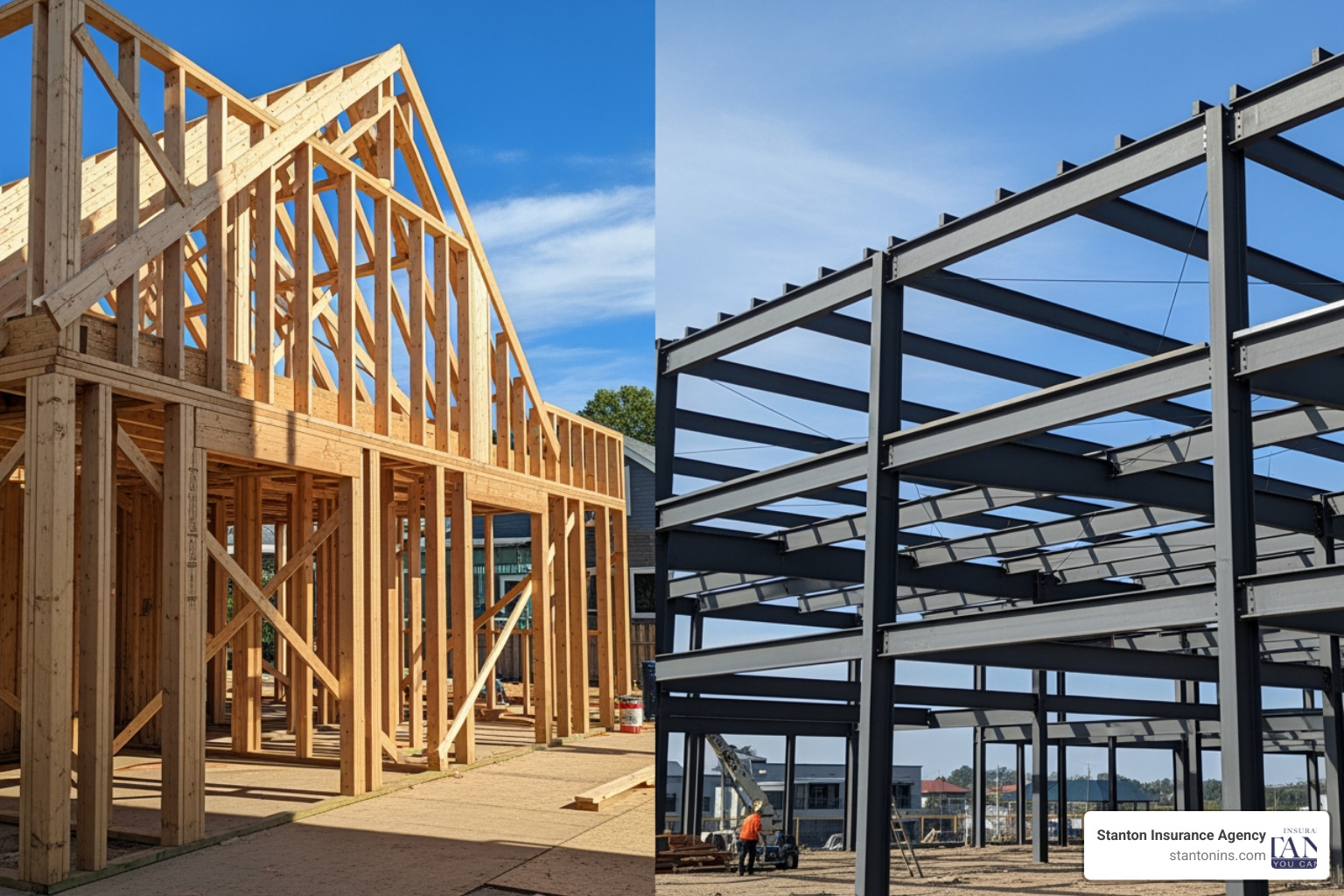
- Frame (Wood): This is the most common type of residential construction but is also the most susceptible to fire. Consequently, wood-frame projects are often more expensive to insure due to their higher susceptibility to fire.
- Joisted Masonry: Buildings with non-combustible exterior walls (like brick or concrete) but with wood-frame floors and roofs. This is generally viewed more favorably than all-wood construction.
- Fire-Resistive: Structures built with steel frames and concrete are the least risky from a fire perspective and therefore command the lowest property insurance rates.
Understanding Your Policy: Coverages, Exclusions, and Endorsements
A builder’s risk policy is not a simple document. It contains specific details about what is covered, what is excluded, and what can be added for more comprehensive protection. The core of your policy is the coverage limit, which should be equal to the total completed value of the project (the hard costs). Your deductible is the amount you pay out-of-pocket on a claim before the insurance kicks in; a higher deductible typically lowers your premium. In the context of builder’s risk insurance, ‘hard costs’ refer to the direct expenses related to construction, such as materials, labor, and equipment. These are the primary focus of the insurance coverage. For example, a project with a coverage limit of $570,000 in Massachusetts might have an annual policy premium of around $958.
Common Exclusions to Be Aware Of
No insurance policy covers everything. Standard builder’s risk policies commonly exclude:
- Earthquakes and Floods: These perils almost always require a separate policy or a specific Builders Risk Endorsement.
- Professional Errors: Faulty design, planning, or workmanship are not covered. This risk falls under a contractor’s professional liability insurance.
- Employee Theft: Theft of materials or tools by your own employees or a contractor’s employees is typically excluded.
- Wear and Tear: Damage from normal use, rust, or corrosion is not covered.
- Work Vehicles: Damage to automobiles and construction vehicles is covered by a commercial auto policy, not builder’s risk.
Builder’s Risk vs. Homeowners Insurance
It’s a common point of confusion, but these two policies serve very different purposes and are not interchangeable. A standard Homeowners Insurance policy is not designed to cover the risks of a construction site and may deny a claim if damage occurs during a build.
| Feature | Builder’s Risk Insurance | Homeowners Insurance |
|---|---|---|
| Primary Purpose | Protects a structure during construction or renovation. | Protects a finished, occupied home and its contents. |
| Property Coverage | Covers the dwelling, on-site materials, and foundation. | Covers the dwelling, other structures, and personal belongings. |
| Liability Coverage | Generally does not include personal liability. | Includes personal liability for accidents on the property. |
| Policy Term | Temporary; typically 3, 6, or 12 months, with options to extend. | Ongoing; typically renewed annually. |
| When It’s Needed | From groundbreaking until the project is complete. | Once the home is complete and ready for occupancy. |
Strategies to Reduce Your Home Construction Insurance Cost
While many cost factors are fixed, there are proactive steps you can take to lower your premium without sacrificing essential protection.
- Choose a Higher Deductible: Agreeing to cover a larger portion of a potential loss yourself will lower your premium. Ensure the deductible is an amount you can comfortably afford.
- Implement a Security Plan: Secure the job site with fencing, adequate lighting, and visible security cameras. This deters theft and vandalism, which are common claims.
- Manage Water Risks: Ensure proper drainage on site and take steps to prevent water accumulation, which can lead to foundation issues or mold.
- Prioritize Safety: Work with a contractor who has a proven safety record and a formal safety plan. Fewer accidents and claims lead to better insurance rates over time.
- Bundle Your Policies: If you have other insurance needs, such as Business Insurance or commercial auto, ask if you can get a discount for bundling them with the same provider.
- Review Your Coverage Needs: Don’t pay for unnecessary endorsements. Carefully evaluate which risks you need to insure and which you can manage through other means. For more ideas, see these practical strategies for homeowners.
Frequently Asked Questions about Home Construction Insurance
Who is responsible for buying builder’s risk insurance?
The responsibility can fall on either the homeowner or the general contractor. It is typically specified in the construction contract. If you are the property owner, it is in your best interest to ensure a policy is in place, as you have the most significant financial stake in the project. You can learn more about this at Who Pays For Builders Risk Insurance?.
When does a builder’s risk policy expire?
A builder’s risk policy is temporary and expires when the project is completed. This is usually defined as when the building is signed off by the building inspector (receives its certificate of occupancy), is occupied by the owner, or is put to its intended use. At this point, you must have a permanent Homeowners Insurance or Commercial Property Insurance policy in place.
Can a homeowner get builder’s risk insurance for a DIY project?
Yes, homeowners can and absolutely should secure a builder’s risk policy for significant DIY projects. Insurers will want to see a clear project plan, timeline, and budget, but it is a critical protection for anyone acting as their own general contractor. For more details, check out Can A Homeowner Get Builders Risk Insurance?.
Conclusion: Securing Your Investment from Day One
Understanding the home construction insurance cost is a vital part of budgeting for your build or renovation. By recognizing the key factors that drive premiums—from project type and location to construction materials—you can better prepare for this essential expense. Builder’s risk insurance is not just another line item; it is the fundamental safety net that protects your significant investment against the unforeseen. It ensures that a setback doesn’t become a financial catastrophe, allowing your project to proceed with security and peace of mind.
Once your project is complete, your insurance needs will change. It’s crucial to transition seamlessly to a permanent homeowners policy to protect your finished home. Navigating the complexities of construction and property insurance can be challenging, but you don’t have to do it alone. The experienced team at Stanton Insurance Agency is here to help you find the right coverage for every stage of your project.
Protect your project from the ground up. Contact us today for a customized Builders Risk Insurance quote.
