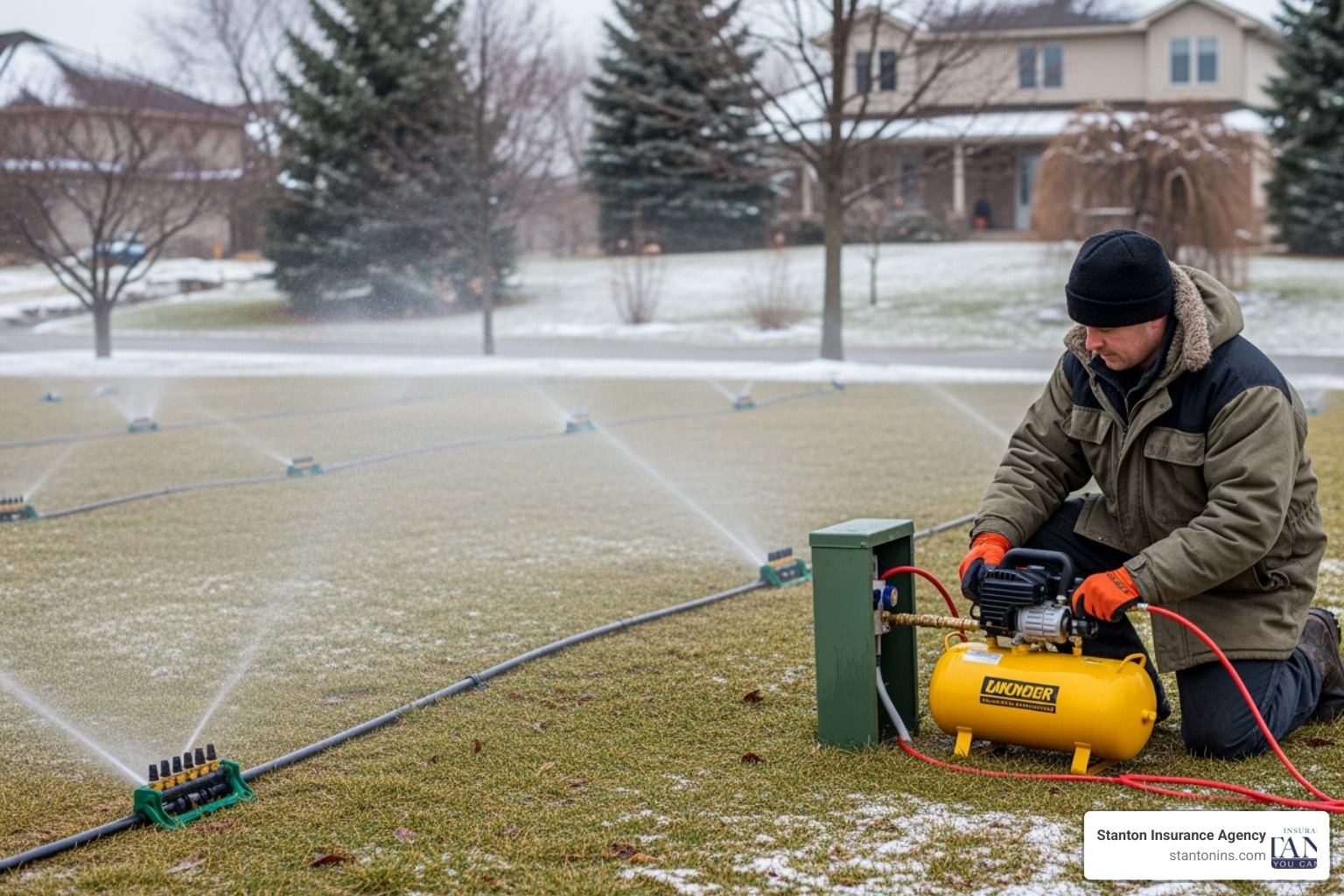
Winterize sprinkler systems: 1 Essential Guide
Why Winterizing Your Sprinkler System is Critical for New England Homeowners
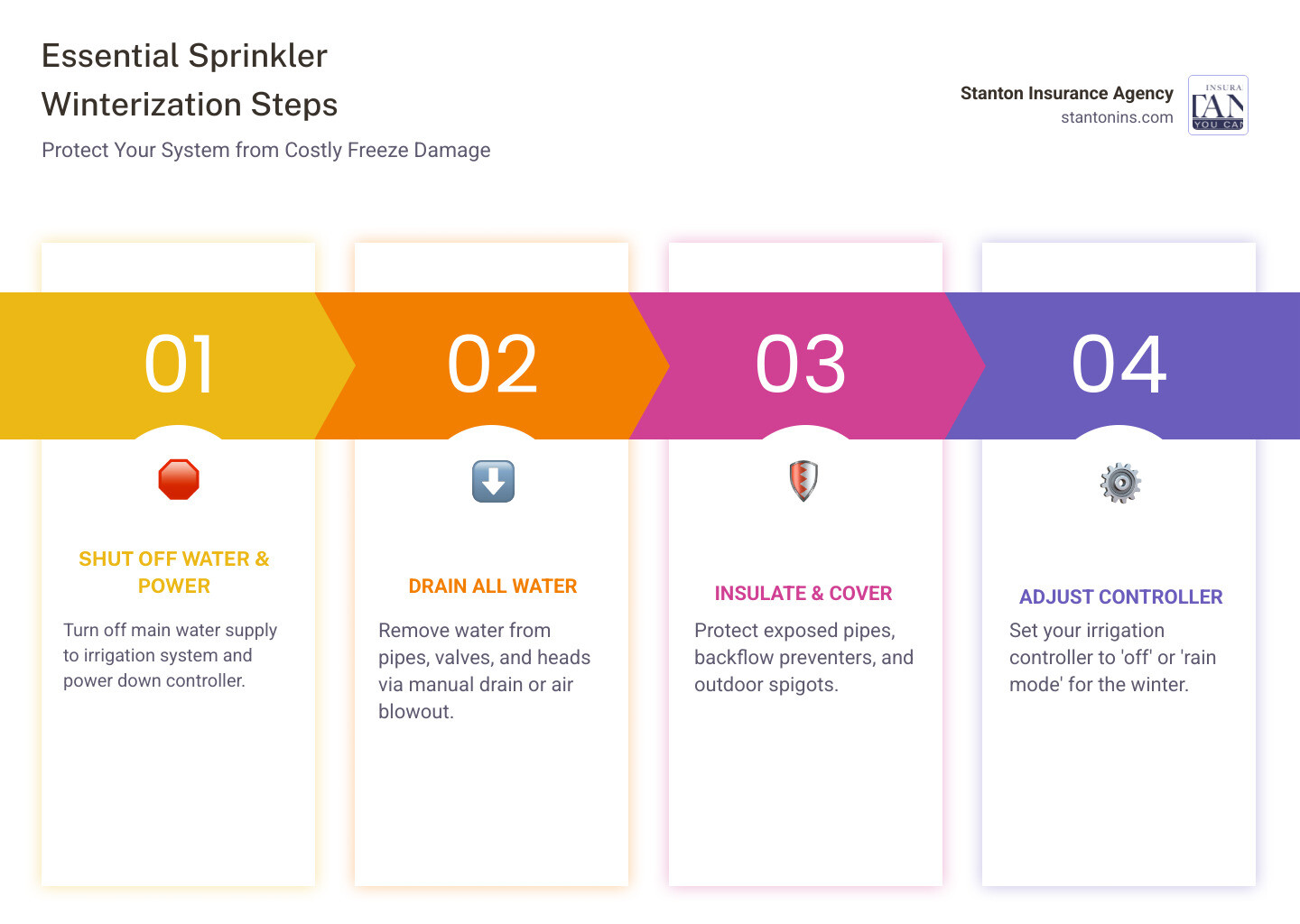
Winterize sprinkler systems before the first hard freeze, or face potentially thousands of dollars in repairs come spring. Here’s what you need to know:
Essential Steps to Winterize:
- Shut off the main water supply to your irrigation system
- Drain all water using manual valves, automatic drains, or compressed air blowout
- Insulate exposed pipes, valves, and backflow preventers
- Set your controller to “off” or “rain mode”
Best Timing: Late October to early November in Massachusetts and New Hampshire
Cost: DIY with rented compressor ($50-75) vs. Professional service ($75-200)
When water freezes, it expands with tremendous force – enough to crack rigid PVC pipes and shatter expensive sprinkler components. In our harsh New England climate, winterization isn’t optional. It’s the difference between a system that starts smoothly in spring and one that requires costly emergency repairs.
The consequences of skipping this crucial step can be severe. Burst pipes, damaged valves, and cracked sprinkler heads are common results of improper winterization. Professional winterization services typically cost between $75-200, but the repairs from freeze damage can easily exceed $1,000.
As a team at Stanton Insurance Agency, we’ve seen how property damage from burst pipes and failed irrigation systems can impact homeowners financially. Through our experience in commercial and personal property insurance, we understand that taking proactive steps to winterize sprinkler systems is one of the most cost-effective ways to protect your landscape investment.
Key terms for Winterize sprinkler systems:
Why, When, and What to Expect: The Basics of Sprinkler Winterization
Winterize sprinkler systems is essentially the process of evicting every last drop of water from your irrigation system before winter sets up camp. This means clearing out all the pipes, valves, and sprinkler heads before that first brutal freeze hits.
Here’s the science behind why this matters so much: when water freezes, it doesn’t just sit there politely. It expands by about 9% with the force of a tiny bulldozer. That expansion can crack rigid PVC pipes like an eggshell, shatter sprinkler heads into expensive confetti, and completely destroy your backflow preventer. Think of it as nature’s way of reminding you that procrastination has consequences.
The financial reality is pretty sobering. Skip winterization, and you’re looking at repair bills that can range from a few hundred dollars for minor leaks to several thousand for a complete system overhaul. Meanwhile, professional winterization typically costs between $75 to $200 depending on your system size. It’s like choosing between a small preventive investment now or a major financial headache in spring.
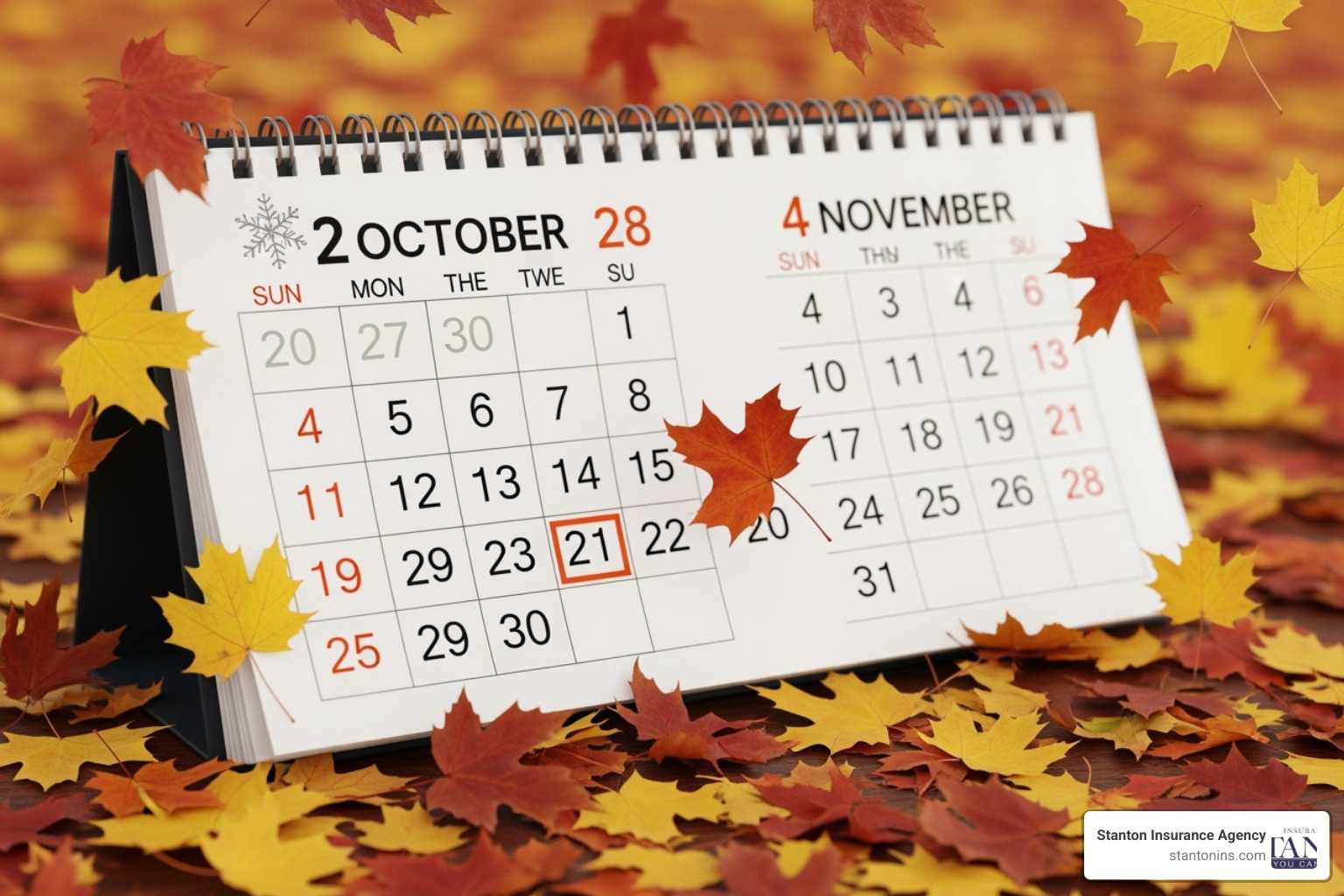
Timing is everything when you winterize sprinkler systems in Massachusetts and New Hampshire. Late October through early November is your sweet spot – after you’ve finished watering for the season but before the ground turns into a frozen wasteland. Don’t wait for the first hard frost to make your move. Once nighttime temperatures consistently hover around freezing, it’s go time.
What You’ll Need: Tools and Equipment
Getting ready to winterize sprinkler systems requires some specific gear, especially if you’re planning to use the blowout method (which we strongly recommend for our New England winters). The good news is that most items are either things you might already have or can easily rent.
Safety glasses are absolutely non-negotiable – compressed air doesn’t mess around. You’ll need an air compressor with at least 9 CFM capacity, along with the right hose adapter to connect it to your system. A simple flathead screwdriver comes in handy for opening test cocks on your backflow preventer, and having a bucket nearby for drainage is always smart.
Don’t forget pipe insulation or foam covers for any exposed components that need extra protection. If your system uses manual draining, keep a garden hose ready for the process.
DIY vs. Professional Service: A Cost Comparison
The choice between doing it yourself or calling in the pros often comes down to your comfort level, available time, and budget considerations. Let’s break down what each option really means for your wallet and peace of mind.
| Aspect | DIY | Professional Service |
|---|---|---|
| Cost | $50-$75 for compressor rental | $75-$200 depending on system size |
| Time | 1-2 hours | 30-60 minutes |
| Equipment | Requires renting or owning a compressor | Technician provides all tools |
| Risk | High risk of system damage or personal injury if done incorrectly | Low risk, often includes a warranty |
The DIY route can save you some money upfront, but there’s a real learning curve here. Using too much air pressure can damage your system faster than you can say “oops,” and not having enough volume means water might stay trapped in low spots. If you’re not completely confident about the process, or if your system is particularly complex, hiring a professional is often the smarter financial move in the long run.
At Stanton Insurance Agency, we’ve seen how small preventive measures can save homeowners from major property damage claims. Taking the time to properly winterize sprinkler systems is one of those smart moves that protects your investment and gives you one less thing to worry about when winter arrives.
Step-by-Step Guide to Winterize Sprinkler Systems
Ready to winterize sprinkler systems? The method you choose depends on your system’s design, but don’t worry – we’ll walk through each approach. While the blowout method is the gold standard for our New England climate, some systems can use manual or automatic draining. Think of it like choosing the right winter coat – you want the one that’ll actually keep you warm when the temperature drops.
No matter which method you use, everyone starts with the same crucial first steps. These are like the foundation of a house – get them wrong, and everything else falls apart.
Step 1: Shut Off the Water and Power Down the Controller
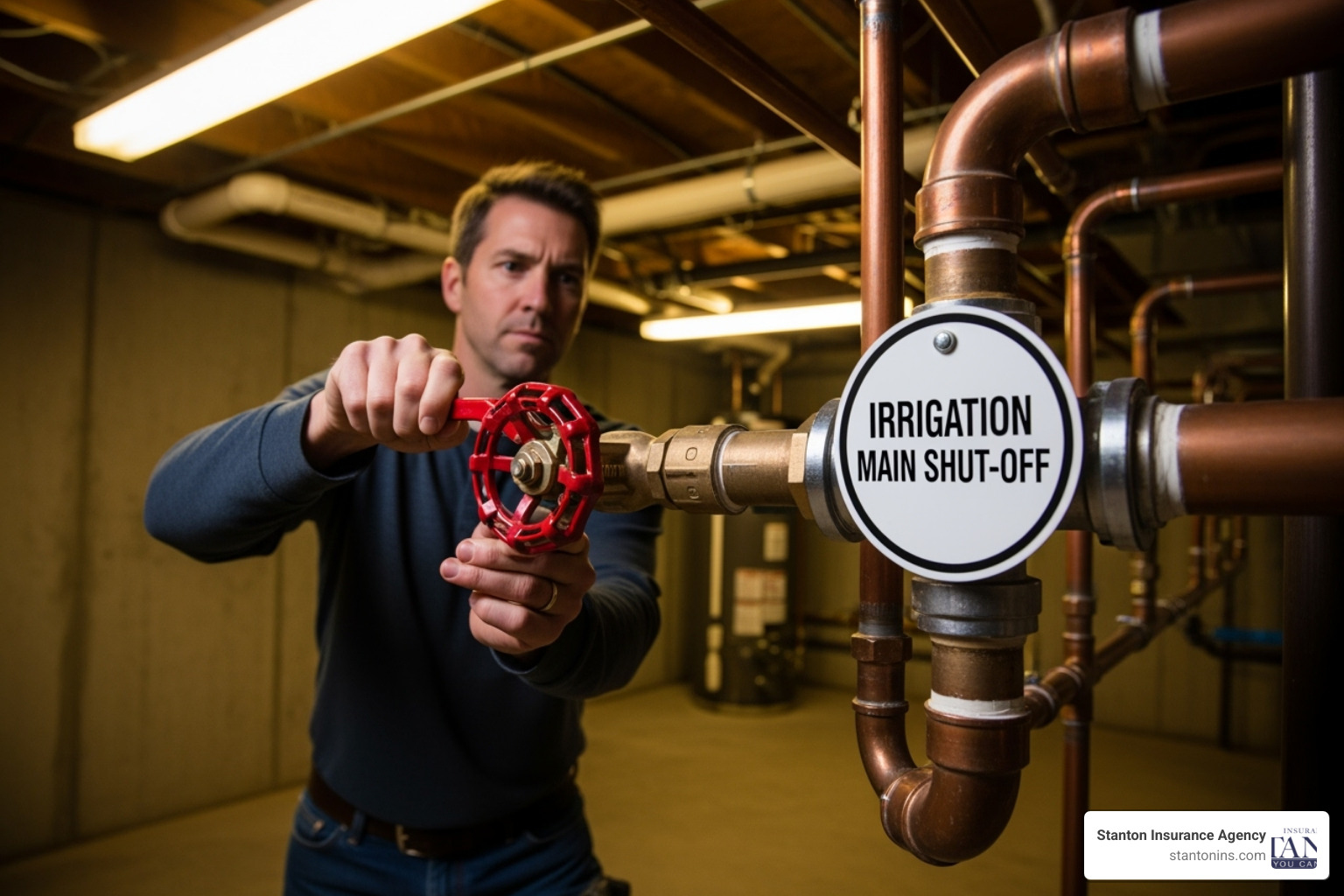
First things first: find that main water supply shut-off valve. It’s usually hiding near your water meter or where your irrigation system branches off from your home’s main line. You might find it in your basement, crawl space, or sometimes in an outdoor valve box. Once you’ve located it, turn it off completely.
Here’s a pro tip: after shutting off the water, relieve any leftover pressure in the lines. You can do this by briefly running a sprinkler head or opening a manual drain valve. Think of it like releasing air from a balloon – you want to let that pressure out gently.
Now let’s talk about your irrigation controller. For outdoor controllers, resist the urge to unplug everything. Instead, leave the power on and simply switch it to the ‘Off’ position or ‘Rain mode‘. This keeps the internal components slightly warm, which prevents moisture buildup. If you completely power off the system, you’ll likely spend your spring morning reprogramming everything – and trust me, that’s not how you want to start gardening season.
Don’t forget about your backflow preventer – that important device that keeps your drinking water safe. Make sure the water supply leading to it is completely shut off. We’ll cover protecting this component in detail later, but for now, just ensure no water is flowing to it. For more comprehensive winter preparation tips, check out our guide on how to Prepare Home for Winter.
Step 2: Draining Your System (Manual & Automatic Methods)
While the blowout method reigns supreme in Massachusetts and New Hampshire, it’s worth understanding the draining methods. Some systems are designed with manual drain valves strategically placed at the end of pipe runs and at low points throughout the system. After shutting off your main water supply, you’d open all these valves and let gravity do its work.
Here’s where it gets a bit tricky. Many sprinkler heads have check valves that prevent water from flowing backward into the pipes. To drain these properly, you might need to gently pull up on the sprinkler head to release trapped water. It’s like uncorking a bottle – sometimes you need to give it a little help.
Automatic drain valves are the lazy homeowner’s dream (and we mean that in the best way possible). These clever devices automatically open when water pressure drops below about 10 PSI. Simply shut off the main water supply, run a zone briefly to drop the pressure, and these valves spring into action.
But here’s the reality check: this method is less common in New England where deep frosts make the blowout method safer. Gravity drainage alone rarely removes every last drop of water, and in our climate, even a small amount of trapped water can cause expensive damage when it freezes.
Step 3: The Blowout Method: How to Winterize Sprinkler Systems with Compressed Air
The blowout method is your best friend for New England winters. It uses compressed air to force every drop of water out of your pipes and sprinkler heads. Think of it as giving your irrigation system a thorough, powerful exhale before its long winter nap.
Safety First!: Compressed air isn’t something to mess around with. Always wear ANSI-approved safety glasses – this isn’t negotiable. Never stand directly over pipes, valves, or sprinkler heads during the process. Flying debris or sudden bursts of air can cause serious injury. Make sure family members and pets are well clear of the area you’re working on.
Your air compressor needs to have the right specifications. Look for one with at least 9 CFM (Cubic Feet per Minute) capacity. Don’t be tempted to use that small shop compressor you use for car tires – it simply doesn’t have the volume needed and could actually damage your system. Think horsepower over speed.
When it comes to PSI (Pounds per Square Inch), more isn’t always better. Keep it under 80 PSI for PVC pipes and no more than 50 PSI for polyethylene pipes. Exceeding these limits is like trying to drink from a fire hose – it’s going to cause problems.
Here’s the game plan: start with the zone farthest from the compressor. Connect your air compressor to the blow-out port (never directly to the backflow preventer), activate that distant zone, and slowly introduce air. You’ll know you’re done when only a fine mist emerges from the sprinkler heads – this usually takes about two minutes per zone.
Blow out each zone for approximately two minutes, or until only a fine mist emerges. Once a zone is clear, move to the next farthest zone and repeat. Many professionals recommend cycling through all zones two or three times to ensure complete water removal.
One important warning: do not overheat plastic components by continuing to blow air through dry pipes. The friction can generate heat and damage your system. Once you see that fine mist, you’re done with that zone.
Protecting Your Full System and Avoiding Common Pitfalls
When you winterize sprinkler systems, the job isn’t done once you’ve blown out the underground pipes. Think of it like closing up a summer cabin – you wouldn’t just turn off the water and walk away. You’d protect every vulnerable component from winter’s harsh grip.
The exposed parts of your irrigation system are actually the most vulnerable to freeze damage. They’re sitting right there in the cold air, completely exposed to Massachusetts and New Hampshire’s brutal winter winds. This comprehensive protection is especially critical to prevent issues like Ice Dams near your home’s foundation, which can be made worse by burst pipes adding extra water where you don’t want it.
Landscape vs. Fire Sprinkler Systems: Key Differences
Here’s something that trips up many homeowners: not all sprinkler systems are created equal. Landscape irrigation systems are what we’ve been talking about throughout this guide – those systems that keep your lawn green and your flower beds happy. But fire sprinkler systems are an entirely different beast with life-or-death responsibilities.
Fire sprinkler systems follow strict NFPA 25 standards and require professional maintenance. You’ve got wet systems that stay filled with water (these need heated spaces to maintain at least 40°F at all times), dry systems filled with compressed air until activated, and antifreeze systems for unheated areas that use special solutions tested for specific protection temperatures.
The bottom line? Never attempt to winterize a fire sprinkler system yourself. The consequences of a malfunctioning fire suppression system go way beyond a soggy lawn come spring.
Protecting Exposed Components and Other Garden Gear
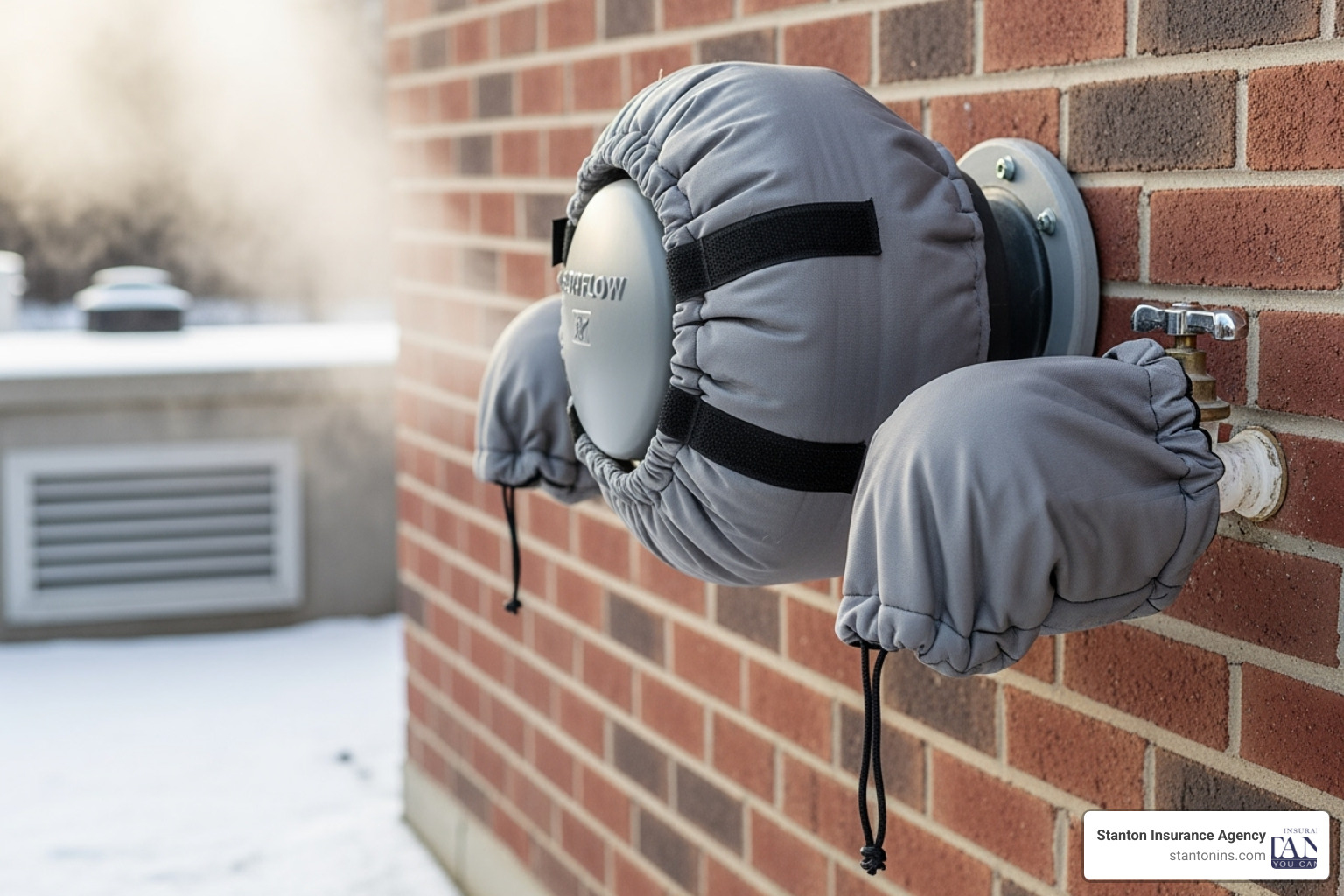
Your backflow preventer is like the heart of your irrigation system, and it’s usually sitting right out there in the open, completely exposed to the elements. After you’ve blown out your system, this component needs special attention. Open those test cocks and position the ball valves at a 45-degree angle – think of it as the “winter position” that prevents water from getting trapped inside.
Don’t stop there, though. Wrap that backflow preventer in insulation or a specialized cover. Those New England winds can be absolutely brutal, and even a properly drained unit can suffer damage from extreme cold.
Your outdoor faucets need love too. Shut off the water supply from inside your home first, then open the exterior faucet to drain any lingering water. Pop a faucet cover on there, and you’re golden. It’s like putting a winter coat on your plumbing.
Now, let’s talk about all that garden gear you’ve been using all season. Garden hoses are freeze damage magnets – they’ll crack, leak, and become as useful as a chocolate teapot if you leave them outside. Drain them completely by uncoiling and letting them dry, then store them in your garage or shed along with any watering wands and nozzles.
While you’re at it, take a few minutes to inspect fittings and repair anything that’s looking worse for wear. A little silicone-based lubricant on those O-rings and gaskets will keep them flexible and ready for spring.
Common Mistakes to Avoid When You Winterize Sprinkler Systems
Even with the best intentions, things can go sideways fast when you winterize sprinkler systems. We’ve seen these mistakes cost homeowners hundreds or thousands of dollars, so let’s make sure you avoid them.
Using too much air pressure is like using a sledgehammer to crack a walnut. More isn’t better here – stick to 80 PSI for PVC pipes and 50 PSI for polyethylene. Exceed these limits, and you’ll turn your irrigation system into an expensive pile of plastic shards.
On the flip side, using a compressor with too little volume (CFM) is like trying to blow up a swimming pool with a drinking straw. You need that minimum 9 CFM capacity to actually push the water out, not just pressurize what’s already there.
Here’s a dangerous one: never run compressed air into a closed system. Always have a zone valve open before firing up that compressor. Otherwise, you’re basically creating a pressure bomb in your yard, which is neither safe nor smart.
Manual drain valves can be tricky too. If your system has them, make sure they’re closed after the initial draining but before you start the blowout process. Leave them open, and you’ll spend spring dealing with dirt, debris, and possibly some unwelcome critters that decided your irrigation system looked like a cozy winter home.
Finally, don’t forget about that backflow preventer drainage. This is where we see a lot of expensive spring surprises. Make sure it’s completely drained and positioned correctly – your wallet will thank you when the snow melts.
Frequently Asked Questions about Sprinkler Winterization
We know that winterize sprinkler systems can feel overwhelming, especially if you’re doing it for the first time. Over the years, we’ve helped countless homeowners steer this essential task, and these are the questions that come up most often.
What happens if I don’t winterize my sprinkler system in New England?
Here’s the honest truth: skipping winterization in our harsh New England climate is like playing Russian roulette with your wallet. When water freezes, it doesn’t just sit there politely – it expands with incredible force, turning your irrigation system into a ticking time bomb.
Any water trapped in your pipes, valves, or sprinkler heads will freeze and expand by about 9%. This expansion can crack rigid PVC pipes, split flexible polyethylene lines, shatter sprinkler heads into pieces, and destroy expensive backflow preventers. The brass bodies of these devices are particularly vulnerable to cracking from internal ice expansion.
Come spring startup, you’ll find a system full of leaks, broken components, and potentially flooded areas around your home. We’ve seen repair bills range from a few hundred dollars for minor damage to several thousand for complete system overhauls. It’s one of those expensive lessons that’s completely preventable with proper preparation.
Can I winterize my sprinkler system without an air compressor?
This is a great question, and the answer depends on your system design and your tolerance for risk. Some systems do have manual or automatic drain valves positioned at low points that theoretically allow gravity to drain the water. If your system was specifically designed this way and installed with proper slope for complete drainage, it might work in milder climates.
However, here in Massachusetts and New Hampshire, where our frost line extends deep underground, the blowout method using an air compressor is really the only reliable way to guarantee all water removal. Even the best-designed gravity drainage systems often leave small pockets of water in low spots, pipe fittings, or behind check valves in sprinkler heads.
Those seemingly insignificant water pockets are exactly what cause expensive freeze damage. So while it’s technically possible to winterize sprinkler systems without compressed air, we strongly recommend against it in our region. The cost of renting a compressor for a day is minimal compared to the potential repair costs from incomplete water removal.
What do I need to do to start my sprinkler system in the spring?
Spring startup is actually the reward for doing your winterization properly! When you’ve done everything right in the fall, bringing your system back to life is straightforward and stress-free.
Start by slowly reopening the main water valve – emphasis on slowly. This gradual approach allows pipes to fill without creating water hammer, which can damage pipes and fittings. Listen for any unusual sounds as the system fills, which might indicate air trapped in the lines or potential leaks.
Next, you’ll want to check each zone systematically for leaks, broken sprinkler heads, or heads that aren’t popping up properly. Clean any debris from sprinkler heads that may have accumulated over winter. Reprogram your irrigation controller with appropriate watering schedules for the spring season – remember, spring watering needs are quite different from summer requirements.
We always recommend doing a thorough walk-through of your entire system during that first spring activation. Look for any obvious damage, loose connections, or areas where water isn’t reaching properly. This is also a perfect time to adjust sprinkler heads that may have shifted over winter.
For comprehensive guidance on preparing your entire property for the warmer months ahead, including lawn care and exterior maintenance tasks, check out our detailed guide on Spring Home Maintenance. A well-maintained property not only looks great but also helps protect your investment year-round.
Conclusion: A Winter-Ready System and Peace of Mind
Taking the time to properly winterize sprinkler systems is honestly one of the smartest investments you can make as a New England homeowner. Yes, it requires a bit of effort and maybe renting an air compressor for the weekend, but think of it this way: spending a few hours now can save you from finding a flooded basement or a yard full of broken pipes come spring.
When you follow the steps we’ve outlined – from shutting off your main water supply to blowing out each zone with compressed air to insulating your backflow preventer – you’re not just protecting pipes and valves. You’re protecting your entire landscape investment and ensuring your lawn will get the reliable watering it needs when warmer weather returns.
There’s something deeply satisfying about knowing your system is winter-ready. While your neighbors might be dealing with emergency repair calls in March, you’ll be confidently turning your system back on, checking for proper operation, and getting back to enjoying your outdoor space. That peace of mind? It’s worth every minute you spent on winterization.
At Stanton Insurance Agency, we understand the value of protecting what matters most to you. Just as we’ve guided you through safeguarding your sprinkler system from winter’s harsh realities, we’re here to help protect your home, belongings, and family with comprehensive insurance coverage.
Whether it’s burst pipe damage, storm-related issues, or any of the other surprises that New England weather can throw our way, having the right protection in place makes all the difference. For a thorough review of your home’s coverage and to ensure you’re prepared for whatever the seasons bring, explore our home insurance options.
We’re always here to help you prepare for whatever comes next – because protecting your valuable assets is what we do best.