
Fire & Ice – Your Guide to Winter Preparation: Secure 2025
Why Winter Preparation is Essential for New England Homeowners
Fire & Ice – Your Guide to Winter Preparation is crucial for protecting your home, vehicle, and family from winter’s dual threats. Here’s what you need to know:
Key Winter Preparation Steps:
- Ice Dam Prevention – Seal air leaks, add insulation, ensure proper ventilation
- Heating Safety – Annual furnace service, chimney cleaning, 3-foot clearance rule
- Vehicle Winterization – Winter tires, battery check, emergency kit
- Emergency Planning – Generator safety, 72-hour supply kit, communication plan
- Safety Devices – Monthly smoke/CO detector tests, candle safety protocols
Winter is coming and for homeowners this means being prepared for the utmost extremes, both the frightful and delightful! With beautiful blankets of white snow come picturesque landscapes, family sledding, and, well, the threat of ice dams.
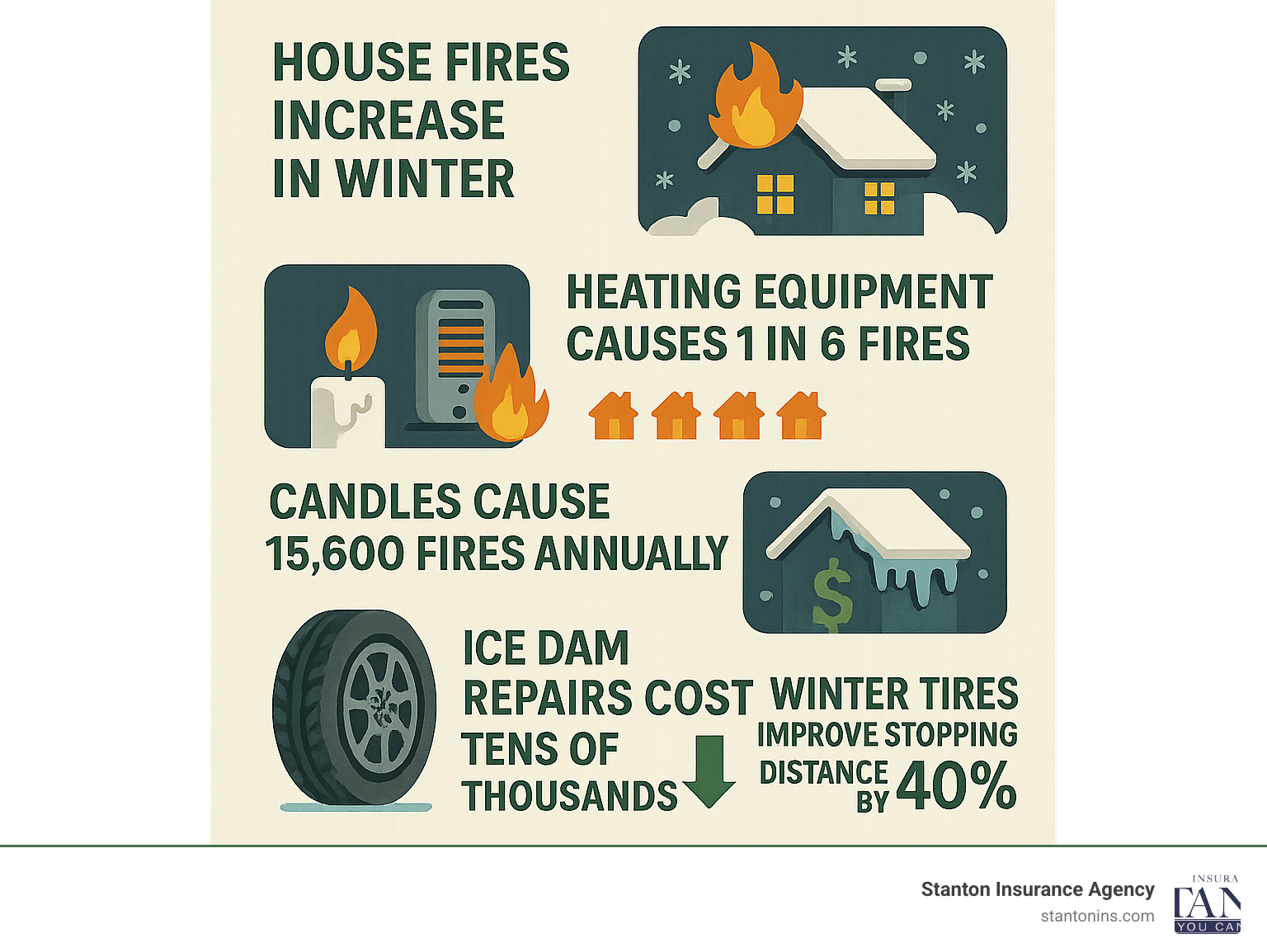
The stakes are high. House fires occur more often in winter than any other season, with heating equipment involved in one out of every six house fires. Meanwhile, water damage from ice dams can run into tens of thousands of dollars for repairs. Candles cause an estimated 15,600 house fires annually, yet 85% of these fires could be avoided with proper precautions.
This isn’t just about comfort – it’s about protecting your most valuable assets and keeping your family safe. The “fire” risks include heating equipment failures, chimney fires, and increased candle use during power outages. The “ice” dangers encompass everything from destructive ice dams to frozen pipes and treacherous walkways.
I’m Geoff Stanton, President of Stanton Insurance Agency, and I’ve spent over two decades helping Massachusetts and New Hampshire families protect their homes and vehicles from winter’s harsh realities. Through my experience in claims and risk management, I’ve developed this comprehensive Fire & Ice – Your Guide to Winter Preparation to help you avoid costly damage and stay safe all season long.
Fire & Ice – Your Guide to Winter Preparation helpful reading:
Battling the Ice: Protecting Your Home’s Exterior and Your Family’s Footing
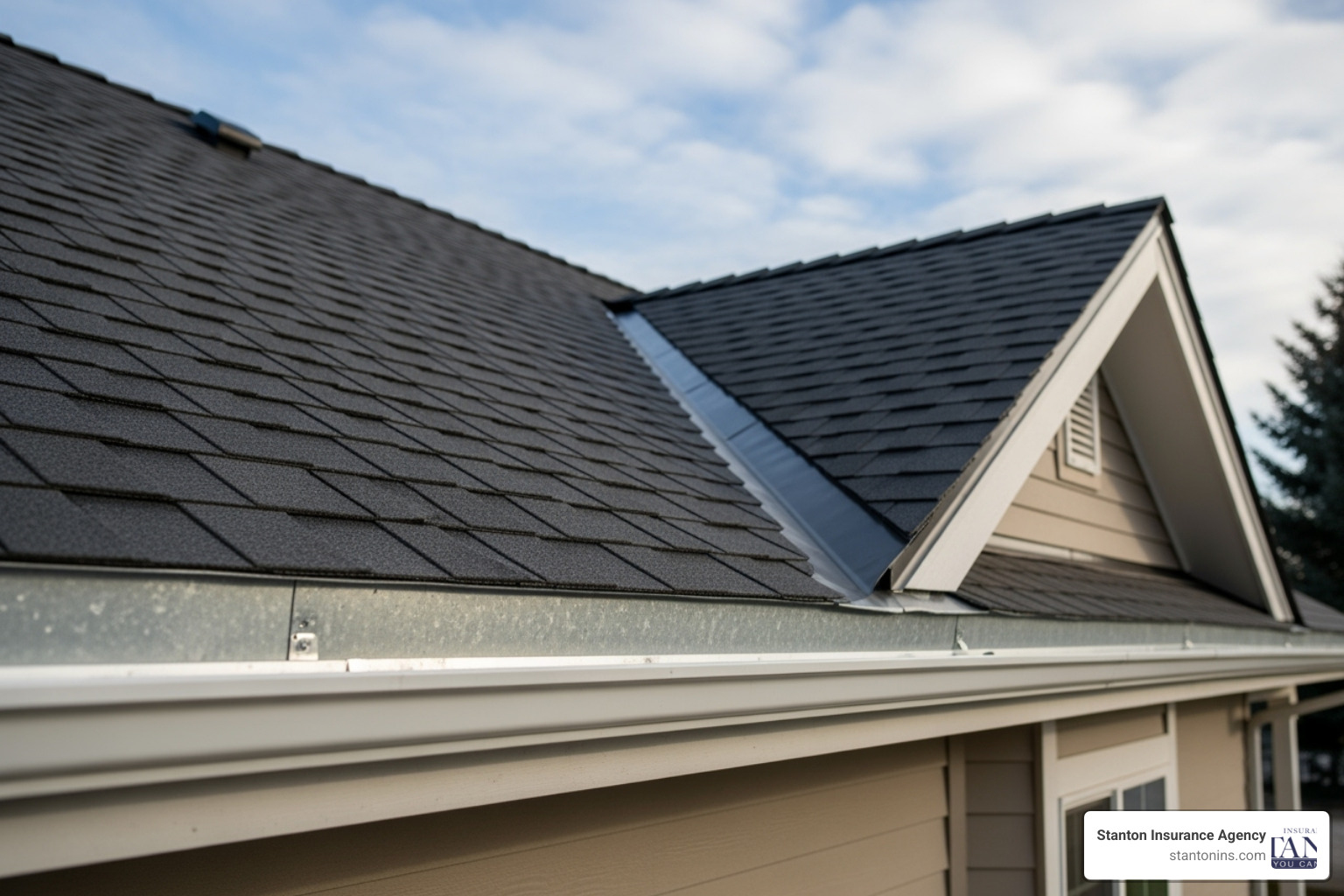
Winter in New England brings breathtaking beauty, but also some serious challenges, especially when it comes to “ice.” This frosty component can cause significant damage to your home and make pathways pretty dangerous for anyone walking on your property. From those sneaky, destructive ice dams to simply slippery walkways, being proactive is your best defense. We’ve all admired those beautiful icicles hanging from eaves, but sadly, beneath that shimmering facade can lurk a costly problem just waiting to happen.
Understanding and Preventing Destructive Ice Dams
Ice dams are far more than just a pretty winter decoration; they’re a serious threat to your home’s very structure and interior. Imagine this: water damage from ice dams can easily run into tens of thousands of dollars for repairs, affecting ceilings, walls, flooring, and even your beloved cabinetry. So, what exactly are these frosty culprits, and how can we stop them in their tracks?
Ice dams occur when heat from your attic melts snow on the roof. This meltwater then flows down your roof until it hits the colder eaves, which are typically unheated and at the same temperature as the chilly outdoors. Here, the water refreezes, forming a ridge of ice—that’s your “ice dam.” As more snow melts, the water starts to back up behind this dam, pooling on your shingles. Eventually, this trapped water finds a way under your shingles and, yikes, right into your home, causing significant damage. It’s a classic case of too much of a good thing (snow!) turning bad.
The good news is that ice dams are absolutely preventable! The core idea is to keep your entire roof surface as close to the outdoor temperature as possible. This involves a three-pronged approach. First, you need to seal air leaks. The biggest reason for a warm roof is heat escaping from your living spaces into the attic. So, seal all those little points where warm air leaks from your heated rooms into the attic space. Think about areas around attic hatches, plumbing vents, electrical wiring penetrations, and even recessed lighting fixtures. Sealing these gaps with caulk or spray foam can make a huge difference.
Next, you need to insulate. Once those air leaks are sealed, make sure your living spaces are insulated well enough to prevent heat from escaping into the attic in the first place. Good insulation acts like a cozy blanket, keeping heat right where it belongs—inside your home. This means having plenty of insulation on your attic floor. Finally, ventilate. Proper attic ventilation is super important. You need to vent the space between your insulation and the roof so that any heat that does leak into the attic is carried away quickly. This usually means having a system of soffit (intake) and ridge (exhaust) vents that allow cold outdoor air to continuously flow through the attic.
Beyond insulation and ventilation, there are practical steps you can take before winter even arrives. To truly prepare your home for winter, make sure your gutters and downspouts are thoroughly cleaned of leaves and debris. This allows meltwater to drain freely once it reaches the eaves, greatly reducing the chance of it backing up and contributing to an ice dam. Also, take some time to trim any overhanging tree branches that could drop debris onto your roof or, worse, fall on your home under the weight of snow and ice. Preventing ice dams is crucial for homeowners if you want to avoid those hefty repair bills. This proactive approach is a key part of your Fire & Ice – Your Guide to Winter Preparation.
Ensuring Safe Passage: Clearing Snow and Ice
Beyond the roof, winter’s icy grip can turn your sidewalks and driveways into treacherous hazards. Clearing snow and ice effectively is vital for the safety of your family and anyone visiting your property.
The best practice for clearing walkways is to remove snow promptly after each snowfall. The longer snow sits, the more likely it is to compact and turn into slippery ice. For those icy patches, apply a rock salt or ice melt product. However, be mindful of what you’re spreading! We always recommend choosing a product that won’t damage your specific surfaces (like concrete, asphalt, or pavers) and, most importantly, one that is pet-safe, especially if you have furry friends or neighborhood pets who frequent your walkways. Not all ice melt products are created equal!
Sometimes, despite our best efforts, thick ice or compacted snow forms. For these stubborn areas, an ice chisel can be your best friend. Use it to break down and clear chunks of ice and snow. We’ve found it’s often easiest to do this in the warmer afternoon hours, as the ice might be slightly softer and easier to chip away. After chiseling, throw down more salt or ice melt to take care of any small bits you missed and to help prevent new ice from forming.
Even with clear pathways, winter walking demands extra caution. Here are our best tips for practicing safe winter walking: Always wear proper footwear with good treads. Those fashionable but smooth-soled boots might look great, but they’re not your friend on black ice. Speaking of which, be wary of “black ice,” which often appears as wet pavement, making it incredibly difficult to see. Be extra cautious on shaded areas, bridges, and overpasses, as these tend to freeze first. When navigating steps, walk slowly and always use handrails firmly. Don’t rush; your safety is paramount. Lastly, avoid taking shortcuts across uncleared patches of lawn or snowy shortcuts. These areas are more likely to have hidden ice or deep snow where removal hasn’t been possible. Stick to cleared paths! For more detailed guidance, check out these best practices for safe winter walking.
Taming the Fire: A Guide to Winter Heating and Indoor Safety
As temperatures drop, we naturally rely on our heating systems to keep us warm and cozy. However, it’s a sobering fact that heating equipment is a leading cause of house fires in the winter. In fact, house fires occur more often in the winter than any other season, with heating equipment involved in one out of every six house fires. But don’t let that chill your bones! By following a few key safety protocols, you can ensure your home stays both warm and safe.
Your Guide to Safe Heating and Fire & Ice – Your Guide to Winter Preparation
When it comes to Fire & Ice – Your Guide to Winter Preparation, understanding how to safely use your heating sources is paramount. The U.S. Fire Administration tells us that structure fires increase greatly in the winter, so let’s make sure we’re not adding to that statistic.
First up, your furnace. This hardworking hero often goes unnoticed until it stops working. To prevent breakdowns and, more importantly, heating-related fires, we strongly recommend having your furnace serviced annually by a qualified professional. Think of it as a yearly physical for your home’s lungs; they’ll clean it, inspect all components, and ensure it’s operating efficiently and safely.
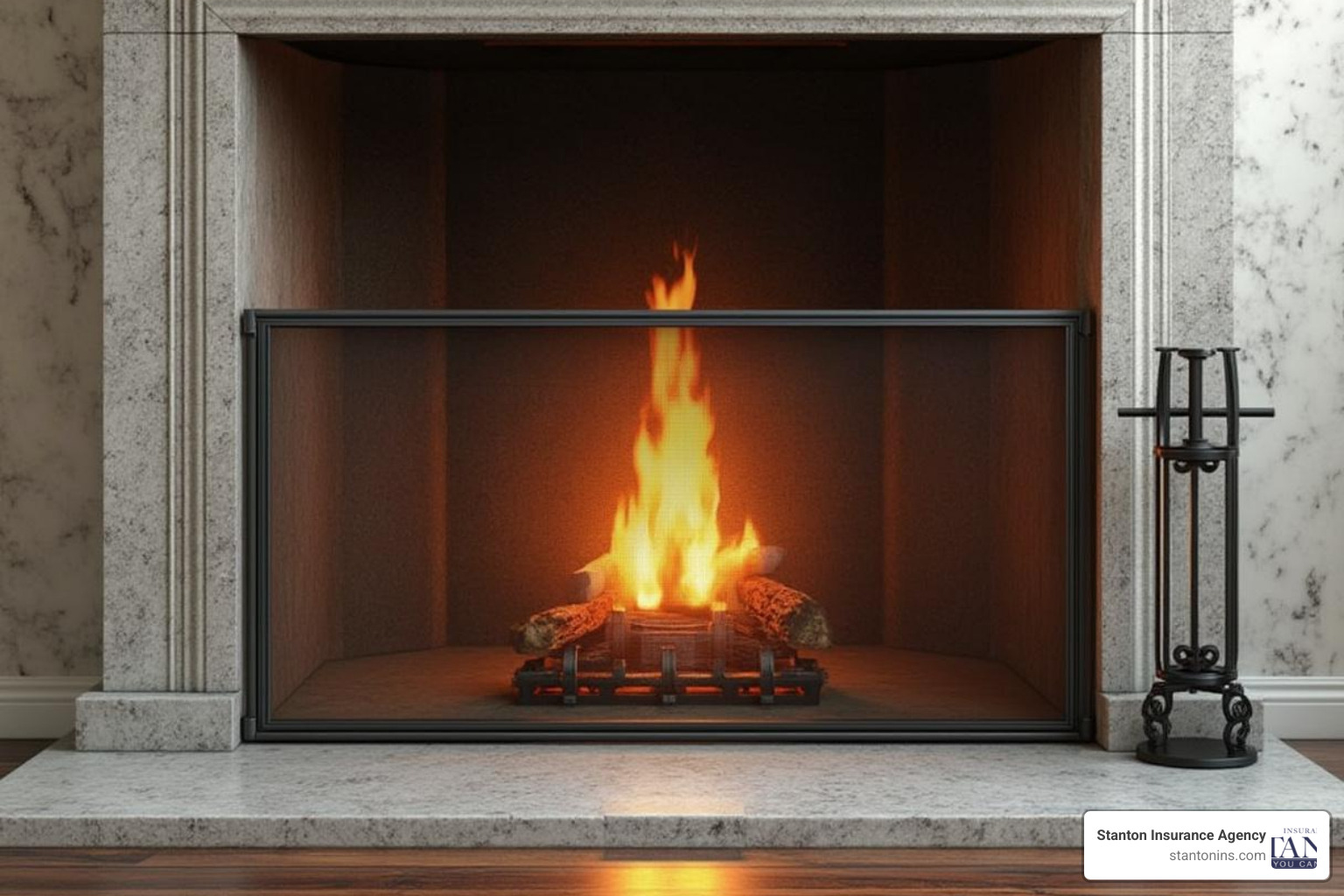
Next, for those who love the ambiance of a crackling fire, let’s talk fireplaces & wood stoves. There’s truly nothing quite like a warm hearth on a cold New England night. But these charming heat sources demand diligent care. We urge you to have your chimney inspected and cleaned each year by a certified chimney sweep. This prevents dangerous creosote buildup, which is a major cause of chimney fires. Always use a sturdy screen in front of your fireplace to stop sparks from flying out onto your rug or furniture. And please, never burn paper, cardboard, or trash in your fireplace or wood stove—they can create dangerous embers and excessive smoke. For more specific advice, learn about chimney fire prevention tips and fireplace safety tips for the holidays. Home heating safety is paramount to keeping your family warm and secure.
Finally, portable heaters can be lifesavers for a chilly room, but they demand extreme caution. The golden rule for portable heaters (and all heat sources like furnaces, fireplaces, and wood stoves) is to keep anything that can burn at least three feet away. This includes curtains, bedding, furniture, clothing, and even pets. We call this the “three-foot rule,” and it’s a non-negotiable safety measure. Always place portable heaters on a flat, stable surface, and never use them with extension cords, as they can overheat and cause fires. Most importantly, turn portable heaters off when you leave the room or go to sleep. It’s a small inconvenience for a huge safety gain.
The Unseen Dangers: Alarms and Candle Safety
While visible flames are an obvious fire hazard, some dangers are silent. Smoke alarms and carbon monoxide detectors are your home’s unsung heroes, providing crucial early warnings. And while candles set a lovely ambiance, they are an open flame that demands respect.
Smoke & CO Detectors are your home’s vital organs, and they need regular check-ups. These devices are especially crucial in winter because we’re often using heating systems more frequently, which can be sources of carbon monoxide (CO). CO is known as “winter’s silent killer” because it’s an odorless, colorless gas that can be deadly. We recommend testing your smoke alarms and CO detectors at least once a month. Most units have a “test” button—just press and hold until you hear the alarm. If your detectors use replaceable batteries, change them at least once a year, or every six months when you change your clocks for daylight saving time. Detectors don’t last forever; replace the entire smoke alarm unit every 10 years and CO detectors according to the manufacturer’s instructions (often 5-7 years). If your alarms are interconnected, even better—when one goes off, they all go off, giving everyone more time to escape. Beyond detection, have a clear home fire escape plan and practice it with your family so everyone knows what to do in an emergency.
Lastly, let’s talk candle safety. Candles are beautiful, but they are open flames that require constant vigilance. Did you know candles cause an estimated 15,600 house fires, 150 deaths, and 1,270 injuries each year? Shockingly, 85 percent of candle fires could be avoided with proper precautions. The cardinal rule is to never leave a burning candle unattended, even for “just a minute.” Always keep candles away from anything that could catch fire—curtains, bedding, books, decorations, and especially Christmas trees during the holiday season. A good rule of thumb is to place them at least one foot away from flammable items. Always place candles on a stable, heat-resistant surface, and make sure all candles are out of reach of children and pets, who might accidentally knock them over. Finally, always extinguish all candles before leaving a room or going to bed.
On the Road: Winterizing Your Vehicle for Safe Travel
Winter safety doesn’t stop at your front door! Preparing your vehicle for the often-harsh New England road conditions is a truly critical step in your overall winter readiness plan. After all, a picturesque snowfall can turn into a treacherous commute quicker than you can say “ice scraper.”
Your Essential Vehicle Checklist for Fire & Ice – Your Guide to Winter Preparation
Just like you switch out your summer wardrobe for cozy winter layers, your vehicle also needs a seasonal upgrade. Getting stuck in frigid temperatures can quickly go from a minor inconvenience to a truly dangerous situation. Here’s what we suggest for your Fire & Ice – Your Guide to Winter Preparation vehicle checklist to keep you safe on the road.
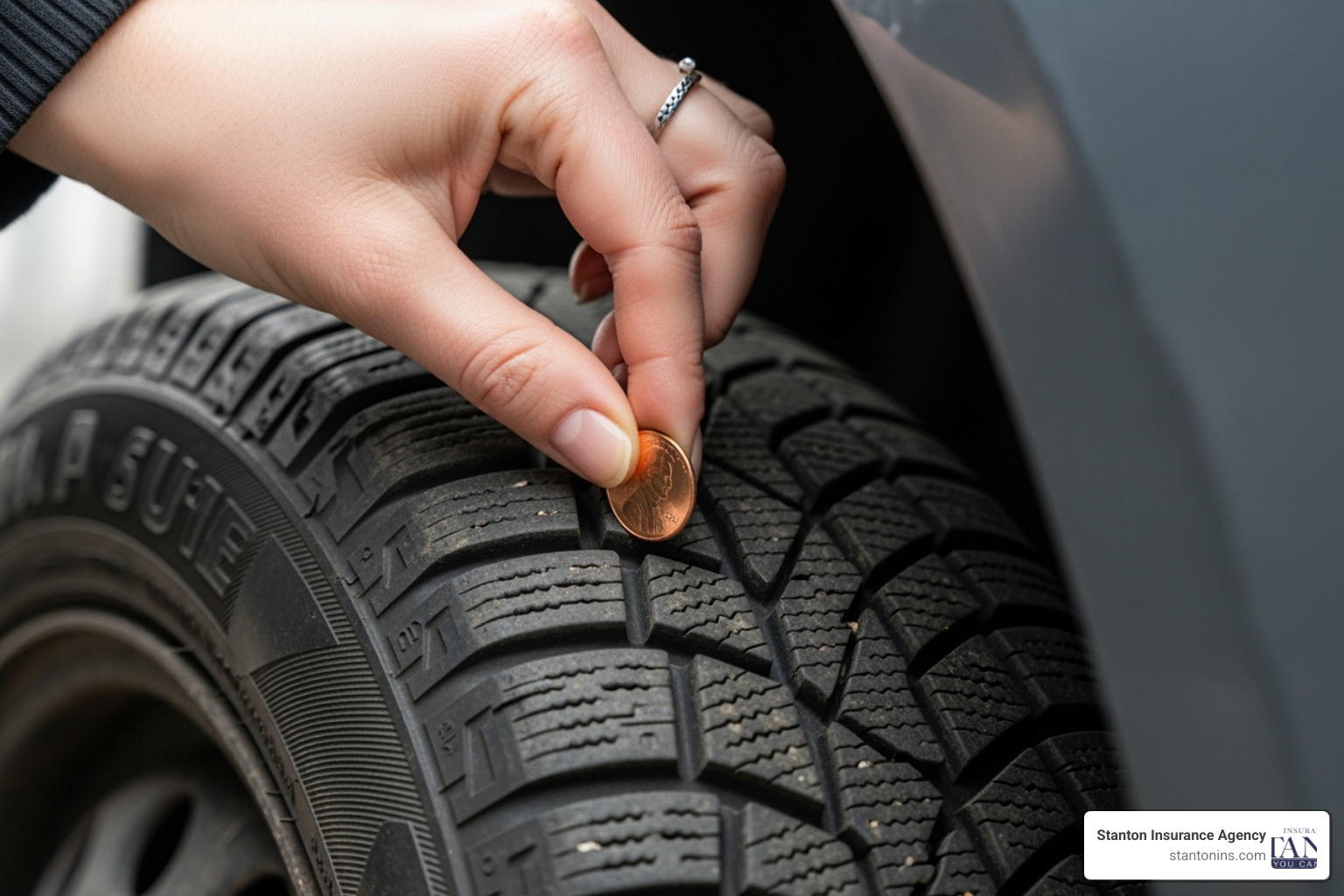
Your tires are the only part of your car that actually touches the road. In winter, that connection can be pretty slippery! Consider winter tires for maximum safety. They can help you stop up to 40% sooner than all-season tires on snowy and icy roads. This makes a huge difference in an emergency. You should also check your tire pressure frequently, especially as temperatures drop. Cold weather makes tire pressure go down, which affects how your car handles and keeps you safe. A quick way to check your tire tread depth is the “penny test”: put a penny into a tire groove with Lincoln’s head upside down and facing you. If you can see all of Lincoln’s head, your treads are too shallow and it’s time for new tires!
Cold weather is really tough on your car’s battery. It reduces its power and ability to hold a charge. To avoid that dreaded “click-click-click” sound on a frosty morning, have a professional test your battery’s health. This ensures it can handle those cold starts. For more tips on keeping your car battery happy, check out our guide on how to maintain your car battery in winter.
And just like you need different fuel in winter, so does your car! Make sure your windshield washer fluid is a non-freezing winter blend. There’s nothing worse than needing to clear your windshield on a snowy drive, only to find your fluid has frozen solid in the reservoir! Also, check your coolant/antifreeze levels. This protects your engine from freezing and costly damage. Don’t forget your wiper blades either; good visibility is key in winter storms. Consider switching to a thinner oil for winter too; it helps your engine start more easily in extreme cold. For a comprehensive list of what to check, see our full winterize your car checklist.
Finally, a well-stocked emergency kit in your vehicle isn’t just a good idea—it’s essential. It can be the difference between a minor delay and a dangerous situation if you get stranded. Make sure your winter emergency car kit includes:
- Ice scraper and snow brush for clear visibility.
- A small shovel to dig yourself out of a snowbank.
- A bag of sand or cat litter for quick traction if your tires are spinning on ice or snow.
- Jumper cables for a dead battery.
- A flashlight with extra batteries for nighttime breakdowns.
- Blankets, hats, and gloves to stay warm while waiting for help.
- Water and non-perishable snacks in case of prolonged delays.
- A portable phone charger to keep your communication lifeline active.
It’s also wise to add a small first-aid kit, a basic tool kit, and reflective triangles or flares for extra safety. Taking these steps to prepare your vehicle for winter can truly save the day!
Total Preparedness: Power Outages and Family Emergency Plans
Winter storms, especially here in New England, often bring uninvited guests: power outages. Losing electricity can quickly turn your cozy home into a cold, dark, and potentially dangerous place. But don’t despair! Having a thoughtful plan and the right supplies can transform a scary situation into a manageable inconvenience, keeping your family safe and comfortable until the lights come back on.
Generator Safety and Emergency Supplies
Generators are true lifesavers during a power outage, bringing warmth and light back to your home. However, they come with significant risks if not used correctly. The biggest danger by far is carbon monoxide (CO) poisoning, a silent killer that’s odorless and colorless.
It’s absolutely crucial to remember: NEVER run a portable generator inside your home, garage, basement, or any enclosed or partially enclosed area. This rule is non-negotiable. Instead, always operate your generator at least 20 feet away from doors, windows, and vents to prevent deadly carbon monoxide from sneaking into your home. Also, make sure to let your generator cool down completely before refueling to avoid accidental fires, and store fuel safely in approved containers outside. Regular servicing of your generator ensures it’s ready when you need it most.
Beyond the generator, a comprehensive family emergency plan is your blueprint for safety when winter weather strikes. This isn’t just a suggestion; it’s your peace of mind!
First, assemble an emergency kit with enough water (about one gallon per person per day), non-perishable food, and essential medications to last your family for at least 72 hours. Don’t forget a manual can opener, plenty of flashlights (with extra batteries, of course!), and a well-stocked first-aid kit.
Next, establish a clear communication plan. Designate an out-of-state contact person for family members to call if local phone lines are down or cell service is spotty. It’s often easier to make long-distance calls during an emergency, so make sure everyone knows this contact’s number.
Finally, stay informed! Have a battery-powered or hand-crank radio (a weather alert radio is even better) to receive updates from the National Weather Service and local authorities, especially if power and internet are out. This proactive approach is a cornerstone of Fire & Ice – Your Guide to Winter Preparation, helping you manage whatever winter throws your way. For more detailed steps on getting ready, check out what to do before a winter weather event.
Frequently Asked Questions about Winter Home & Auto Safety
How can I tell if I have an ice dam forming?
Curious if those beautiful icicles are actually a sign of trouble? You’re smart to ask! One of the clearest signs of an ice dam forming is seeing large icicles hanging from your roof’s eaves, especially if they look thick and are building up along the lower edge. Interestingly, you might also notice fewer icicles higher up on the roof where the sun hits. This often means snow is melting higher up, running down, and then freezing solid when it hits the colder eaves.
But the real red flag, the one that tells you water is definitely getting where it shouldn’t, is water stains on your exterior walls or inside on your ceilings near outside walls. If you see those, it’s a sure sign water is backing up behind an ice dam and seeping into your home, causing real damage.
What is the most important thing to have in my car for a winter emergency?
When it comes to preparing your vehicle for winter, especially as part of your Fire & Ice – Your Guide to Winter Preparation, every item in your emergency kit plays a role. However, if we had to pick the absolute most important things, we’d say a fully charged cell phone and warm blankets (plus a hat and gloves!). Think about it: a charged phone is your lifeline. It lets you call for help, share your location, and stay updated on road conditions.
And those warm blankets? They are absolutely vital for preventing hypothermia and frostbite while you wait for assistance to arrive. You can have all the tools in the world, but if you’re freezing and can’t call for help, you’re in a much tougher spot. So, charge that phone and pack those cozy layers!
How often should I really have my chimney cleaned?
It’s a great question, especially when you’re thinking about winter heating safety! The experts at the National Fire Protection Association (NFPA) recommend having your chimney, fireplace, and vents inspected and cleaned at least once a year. This isn’t just about tidiness; it’s crucial for safety.
An annual inspection helps professionals spot any dangerous creosote buildup, which is a highly flammable residue, along with blockages or cracks. If you love using your fireplace or wood stove often, or if you burn wood that isn’t fully seasoned, you might even need it done more frequently. Trust us, preventing a chimney fire is much easier (and safer!) than dealing with one. It’s a small annual investment for significant peace of mind.
Conclusion: Stay Safe and Secure This Winter
Well, we’ve certainly covered a lot of ground, haven’t we? As New Englanders, we know that winter brings its own special kind of magic, but also some serious challenges. Our goal with Fire & Ice – Your Guide to Winter Preparation has been to equip you with the knowledge to face those challenges head-on.
By taking smart, proactive steps—like keeping those gutters clear to fight off ice dams, giving your furnace its annual check-up, and packing a trusty emergency kit for your car—you’re doing so much more than just ticking items off a list. You’re actively protecting your most valuable assets: your cherished home and, even more importantly, your loved ones. This preparation isn’t just about avoiding damage; it’s about ensuring peace of mind throughout the colder months.
Winter’s beauty comes with a responsibility to be prepared. While all these preventative measures go a long way, an extra layer of security comes from knowing your insurance coverage is perfectly suited for the season’s demands. The team here at Stanton Insurance Agency is always ready to help you review your policies. We want to make sure you have the trusted protection you truly need for your home and auto.
So, as the snow flies and the temperatures drop, you can feel confident and secure. Ready to double-check your coverage? Contact us today to learn more about our auto and home insurance options. Let’s make this winter a safe and cozy one!
