Underinsured motorist meaning: Crucial 2025 Protection
Understanding Underinsured Motorist Coverage in Today’s World
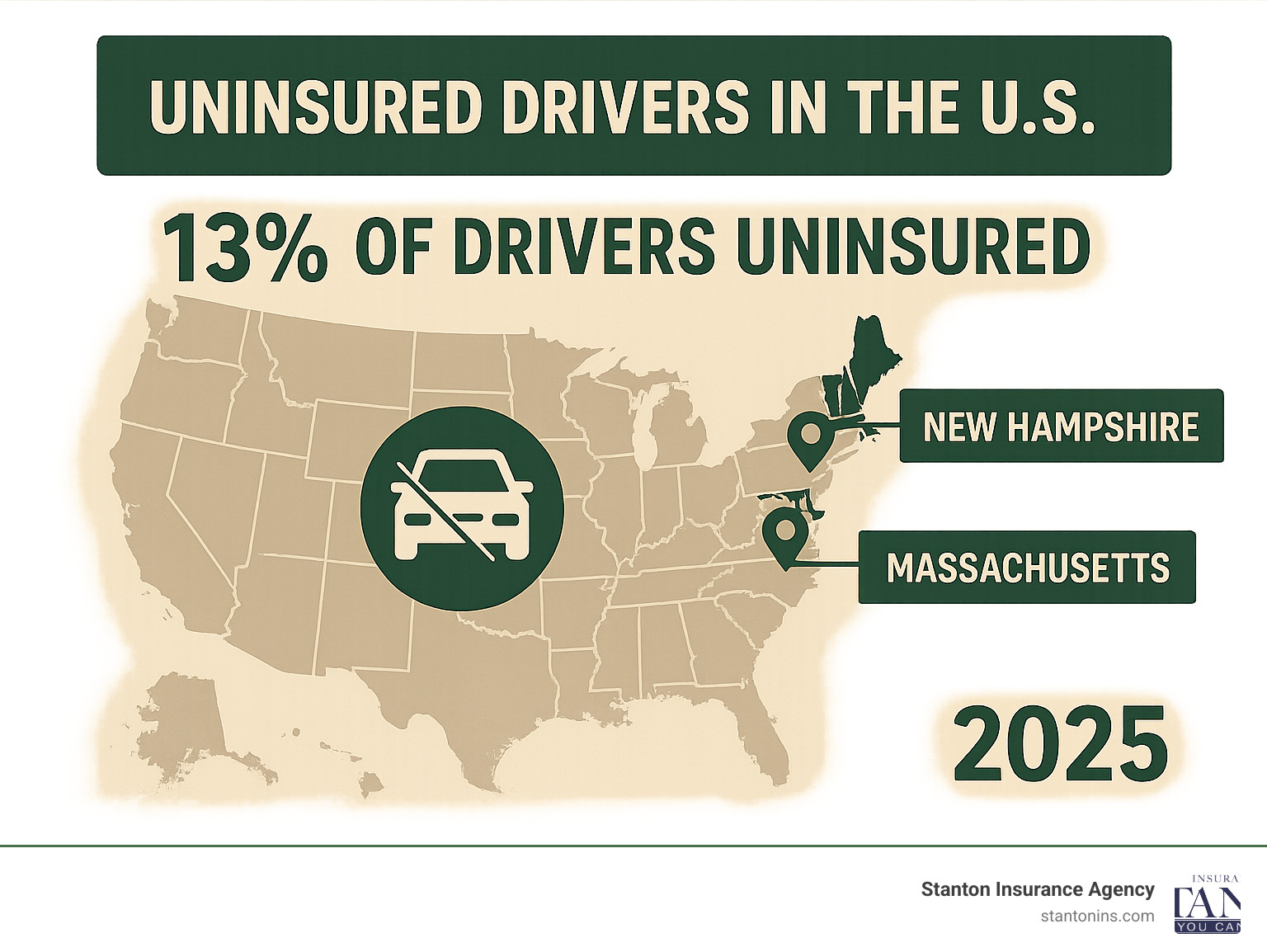
Underinsured motorist meaning refers to a driver who has auto insurance but carries liability limits too low to cover the full extent of damages they cause in an accident. This situation is more common than you might think – with nearly 13% of drivers nationwide lacking adequate insurance coverage, understanding what this means for your protection is crucial.
Quick Answer: Underinsured Motorist Coverage Explained
- Underinsured Driver: Has insurance but insufficient limits to cover your damages
- Your UIM Coverage: Pays the difference between their low limits and your actual costs
- Example: Your bills are $75,000, their policy covers $25,000, your UIM pays the remaining $50,000
- Applies When: The at-fault driver’s liability coverage falls short of your total damages
It’s bad enough when you’re in a car wreck. But it can be much worse if the driver who caused the accident doesn’t have insurance or doesn’t have enough insurance to cover your medical bills and vehicle repairs. This scenario affects thousands of drivers every year across Massachusetts and New Hampshire.
The reality is stark: one in seven drivers doesn’t carry adequate auto insurance according to the Insurance Research Council. When you’re injured by one of these drivers, your own Underinsured Motorist (UIM) coverage becomes your financial lifeline.
I’m Geoff Stanton, a Certified Insurance Counselor and 4th generation owner of Stanton Insurance Agency in Waltham, Massachusetts. Having worked in the insurance industry since 1999, I’ve helped countless clients steer the complexities of underinsured motorist meaning and secure the protection they need. My goal is to break down these important coverage concepts so you can make informed decisions about your auto insurance policy.
Explore more about underinsured motorist meaning:
Uninsured vs. Underinsured: Decoding Your Coverage

Let’s clear up one of the most confusing aspects of auto insurance. While Uninsured Motorist (UM) and Underinsured Motorist (UIM) coverages are often bundled together on your policy, they’re actually two different superheroes coming to your rescue in completely different situations.
Think of it this way: UM coverage helps when the other driver has absolutely zero insurance, while UIM coverage steps in when they have some insurance – just not nearly enough. Both are designed to protect you when the at-fault driver’s insurance falls short, but understanding when each applies can make all the difference in your financial recovery.
Here’s what makes this particularly important for us here in Massachusetts and New Hampshire: even though auto insurance is mandatory in both states, a surprising number of drivers still operate without adequate coverage. Some let their policies lapse, others carry only the bare minimum required by law, and some unfortunately drive without any insurance at all.
| Feature | Uninsured Motorist (UM) Coverage | Underinsured Motorist (UIM) Coverage |
|---|---|---|
| Applies When… | The at-fault driver has no auto insurance, or it’s a hit-and-run accident. | The at-fault driver has insurance, but their liability limits are too low to cover your total damages. |
| What It Covers | Your medical bills, lost wages, and sometimes property damage. | The remaining costs of your medical bills and lost wages after the at-fault driver’s policy limit is exhausted. |
| Example | You’re rear-ended by a driver with a lapsed policy. Your UM coverage pays for your injuries. | Your medical bills are $75,000, but the at-fault driver’s policy only covers $25,000. Your UIM coverage can pay the remaining $50,000. |
What is Uninsured Motorist (UM) Coverage?
Picture this scenario: you’re driving home from work when someone runs a red light and slams into your car. After the police arrive and sort everything out, you find the other driver’s insurance policy lapsed three months ago. They have absolutely no coverage. This is exactly when your UM coverage becomes your financial lifeline.
Uninsured Motorist coverage protects you when you’re hit by a driver with zero insurance. It also kicks in during those frustrating hit-and-run situations where the other driver speeds away, leaving you with damage and no way to identify them. Unfortunately, both scenarios happen more often than we’d like to think.
UM coverage typically splits into two important parts. Uninsured Motorist Bodily Injury (UMBI) takes care of your medical bills, lost wages, and pain and suffering when an uninsured driver injures you or your passengers. Medical costs can spiral quickly after an accident, so this protection is crucial.
Uninsured Motorist Property Damage (UMPD) helps repair or replace your vehicle when it’s damaged by an uninsured driver. However, there’s a catch worth knowing about: in some situations, especially hit-and-run accidents, you might need your collision coverage instead of UMPD to get your car fixed. Always check your specific policy to understand exactly what’s covered.
The statistics make UM coverage feel less like an option and more like a necessity. Nearly 13% of drivers nationwide don’t carry auto insurance, and in some states, that number jumps above 20%. That means roughly one in eight cars you pass on the highway might not have insurance. Those aren’t odds most of us want to gamble with.
What is Underinsured Motorist (UIM) Coverage?
Now we get to the heart of underinsured motorist meaning – and honestly, this might be the more common problem you’ll face. UIM coverage steps in when the other driver does have insurance, but their policy limits are laughably inadequate for the damage they’ve caused.
Here’s the reality: many drivers choose the cheapest insurance they can find, which often means carrying only their state’s minimum liability requirements. In New Hampshire, the minimum bodily injury liability is just $25,000 per person, and in Massachusetts, it’s only $20,000. Sounds like a decent amount until you realize that a single emergency room visit can easily cost $15,000, and that’s before any serious treatment begins.
Let’s say you’re seriously injured in an accident, and your total damages – medical bills, lost wages, pain and suffering – add up to $75,000. The at-fault driver has a policy with a $25,000 limit, the minimum required in New Hampshire. Without UIM coverage, you’d be personally responsible for the remaining $50,000. That’s where the underinsured motorist meaning becomes crystal clear: it’s about protecting yourself from other people’s poor insurance decisions.
Your UIM coverage bridges that financial gap between what the other driver’s insurance pays and what you actually need. It covers Underinsured Motorist Bodily Injury (UIMBI) for medical expenses, lost wages, and pain and suffering. Some policies also offer Underinsured Motorist Property Damage (UIMPD), though your collision coverage typically handles vehicle repairs in these situations.
The beauty of UIM coverage is that it ensures someone else’s attempt to save money on insurance doesn’t become your financial disaster. For more comprehensive information about how UIM fits into your overall protection strategy, you can explore our car insurance options.
The Underinsured Motorist Meaning Explained
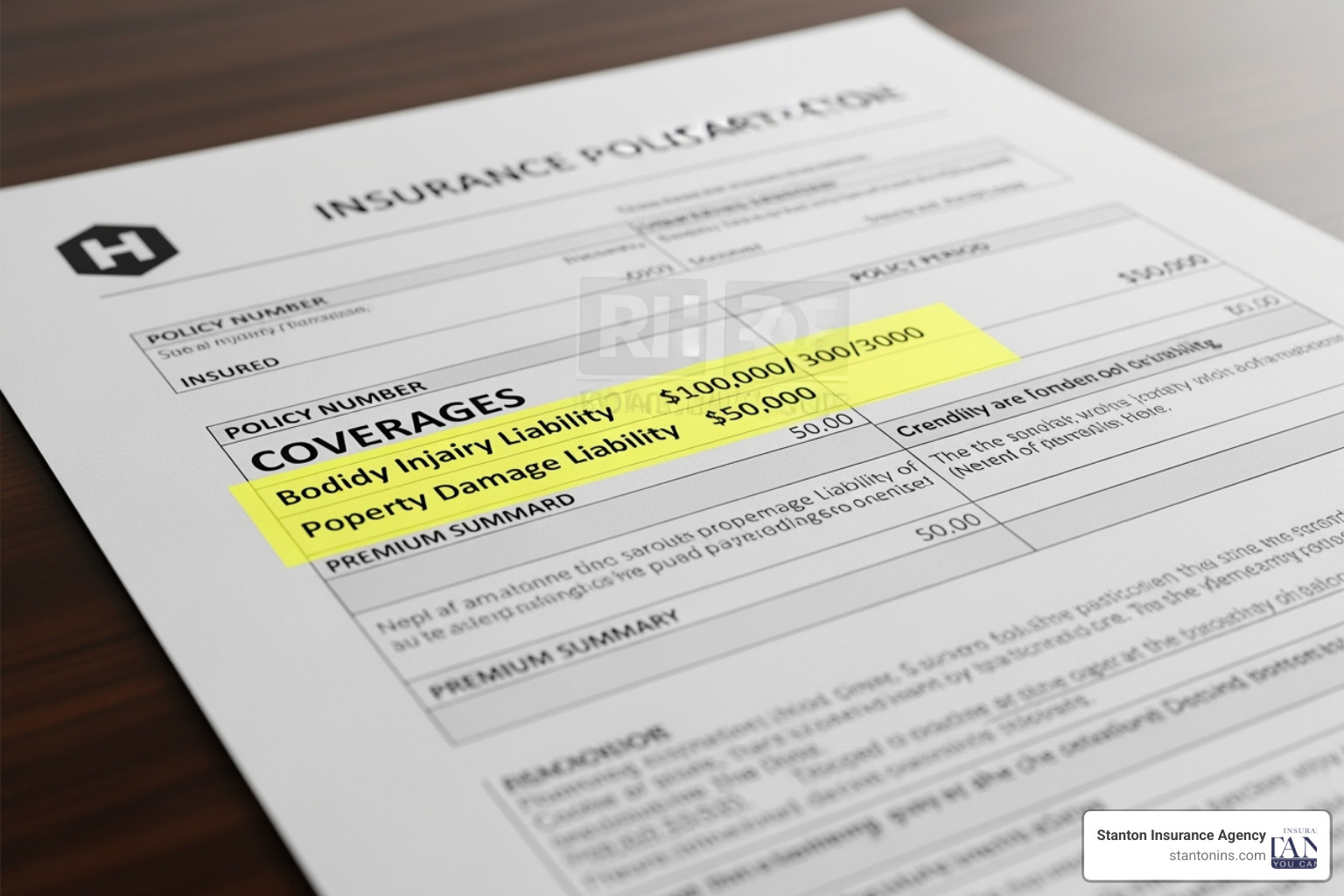
Here’s the heart of what underinsured motorist meaning really comes down to: it’s all about a gap. Picture this – someone crashes into you, they have insurance (phew!), but when the bills start rolling in, their coverage falls woefully short. That driver is considered “underinsured” because their liability insurance simply can’t cover the full cost of the mess they created.
It’s honestly a bit frustrating when you think about it. You’re following the rules, driving safely, and then someone else’s poor insurance choices become your financial headache. That’s exactly why your UIM coverage exists – to fill that gap and make sure you’re not stuck paying for someone else’s mistake.
The reality is that having some insurance doesn’t automatically mean having enough insurance. Your UIM coverage recognizes this uncomfortable truth and steps in to protect your family’s financial well-being when another driver’s policy comes up short.
What is the legal underinsured motorist meaning?
From a legal standpoint, things get pretty specific. An “underinsured motor vehicle” is determined by doing some simple math – you compare the at-fault driver’s bodily injury liability limits against the actual amount of damages you’re legally entitled to recover. If their limits are smaller than your damages, boom – legally speaking, their vehicle is considered underinsured.
Most policies define this with language that sounds something like this: the other driver’s insurance “satisfies the state financial responsibility law, but its limit of liability is not enough to pay the full amount you’re legally entitled to recover as damages.” In plain English? They meet the bare minimum requirements, but that minimum isn’t nearly enough to cover what happened to you.
Your own policy will spell out these definitions in black and white, though the core principle stays the same across the board. It’s designed to shield you from the consequences of another driver’s decision to skimp on coverage. For those who want to dig deeper into the legal nitty-gritty, the Underinsured motor vehicle Definition from Law Insider offers comprehensive legal interpretations from various jurisdictions.
Why is UIM Coverage So Important?
Let’s be honest – counting on other drivers to carry adequate insurance is like playing financial roulette. And the odds aren’t great. A serious car accident can easily generate medical bills that soar past $100,000, and that’s before we even talk about lost wages, rehabilitation costs, or compensation for pain and suffering.
Now imagine the at-fault driver only carries Massachusetts’ minimum liability coverage of $20,000 per person. If your medical expenses alone hit $75,000, guess who’s on the hook for that extra $55,000? Without UIM coverage, it’s you. That’s a crushing financial burden that no one should face, especially when the accident wasn’t their fault.
UIM coverage prevents this nightmare scenario from becoming your reality. It creates a crucial safety net for you and your passengers, protecting you from the surprisingly common problem of drivers who carry bare-bones insurance policies.
The numbers tell a sobering story. With nearly one in eight drivers lacking adequate insurance coverage nationwide, your chances of encountering an underinsured driver are higher than most people realize. Many more drivers carry only the state-mandated minimums, which haven’t kept pace with today’s medical costs and vehicle repair expenses.
This coverage offers something invaluable: peace of mind. You can drive knowing that even if someone else drops the ball on their insurance responsibilities, your family’s financial security remains protected. For more eye-opening statistics about this widespread issue, the Insurance Information Institute provides detailed research on uninsured and underinsured motorist trends across the country.
How UIM Coverage Works in Practice

Let’s be honest – filing a UIM claim isn’t as straightforward as your typical fender-bender claim. The process has a few more moving parts because you’re dealing with two insurance companies: the at-fault driver’s and your own. But don’t worry, I’ll walk you through it step by step so you know exactly what to expect if you ever find yourself in this situation.
The journey begins when an accident occurs and you’re injured by another driver. Nobody plans for this moment, but having UIM coverage means you’re already ahead of the game. Next, you’ll file a claim against the at-fault driver’s insurance policy – this is standard procedure and helps establish their coverage limits.
Here’s where things get interesting. The at-fault driver’s insurer pays out their policy limit, but surprise – it doesn’t cover all your medical bills and expenses. This is the moment when underinsured motorist meaning becomes crystal clear. Their coverage is tapped out, but your financial recovery isn’t complete.
Now it’s time to open a UIM claim with your own insurance company. You’ll notify them that the other driver’s insurance has been exhausted and you need your UIM coverage to kick in. The next step involves providing documentation – gather all your medical bills, proof of lost wages, and the settlement details from the other insurer. Think of this as building your case for why you need that additional coverage.
Finally, your insurer pays the difference between the other driver’s limit and your total damages, up to your UIM policy limit. It’s like having a financial safety net that catches you when the other person’s net has holes in it.
How do I determine the right coverage based on the underinsured motorist meaning?
Choosing the right UIM coverage isn’t rocket science, but it does require some thoughtful consideration of your personal situation. The golden rule I recommend to clients is simple: match your UM/UIM limits to your liability coverage limits. If you carry $100,000 per person and $300,000 per accident in liability coverage to protect others, you should have the same protection for yourself.
Think about your health insurance deductible – if you’re carrying a high-deductible health plan to save on premiums, UIM can help cover those initial out-of-pocket costs that health insurance won’t touch. Consider your potential lost income too. A serious injury might keep you out of work for weeks or months, and UIM coverage can help replace those lost wages.
Most importantly, consider your family’s financial stability. Would a $50,000 medical bill throw your household into financial chaos? Higher UIM limits provide a stronger buffer against these unexpected costs. For those seeking maximum protection against truly catastrophic losses, a personal umbrella policy can provide an extra layer of coverage that extends well beyond your auto policy’s limits.
How UIM Interacts with Other Insurance
Your UIM coverage doesn’t work in isolation – it plays nicely with your other insurance policies to create a comprehensive safety net. Understanding these relationships helps you avoid unpleasant surprises when filing a claim.
Health insurance typically serves as the primary payer for your medical bills after an accident. However, most health plans come with deductibles, copays, and out-of-pocket maximums that can add up quickly. Your UIM coverage can step in to reimburse these costs, plus it covers things your health insurance never will – like lost wages and pain and suffering.
When it comes to vehicle damage, your collision coverage handles the repairs to your car (minus your deductible), regardless of who caused the accident. UIM coverage in Massachusetts and New Hampshire focuses primarily on bodily injury rather than property damage. This division of labor makes sense – collision coverage fixes your car, while UIM coverage takes care of you and your passengers.
The beauty of this system is that each type of coverage has its specialty, working together to ensure you’re protected from multiple angles. It’s like having a team of specialists rather than relying on one person to handle everything.
Frequently Asked Questions about Underinsured Motorist Coverage
The questions about underinsured motorist meaning and coverage details come up frequently in our conversations with clients. After helping families across Massachusetts and New Hampshire steer these waters for over two decades, I’ve noticed the same concerns tend to surface again and again. Let me address the most common ones we hear at Stanton Insurance Agency.
Can I purchase UIM coverage separately from UM coverage?
This is one of the first questions many people ask, and it makes perfect sense. You might think you only need protection from underinsured drivers, not uninsured ones. However, in most states, including Massachusetts and New Hampshire, Uninsured (UM) and Underinsured (UIM) motorist coverages are either bundled together or sold as a package. It is rare to be able to purchase one without the other.
There’s actually good reasoning behind this approach. Both coverages serve a similar purpose: protecting you from drivers with inadequate insurance. Think of them as two sides of the same coin – one protects you when someone has zero insurance, the other when they don’t have enough. Insurance companies recognize that if you need protection from one scenario, you likely need protection from both.
While some states might have slight variations in how they present these coverages on your policy documents, the general rule is that if you have one, you’ll have the other. This bundling approach ensures you’re covered regardless of whether the other driver has no insurance or simply not enough.
Are there any exclusions to UIM coverage?
Yes, like most insurance policies, UIM coverage comes with certain exclusions and limitations. Understanding what’s not covered is just as important as knowing what is covered. The good news is that most exclusions are logical once you understand the purpose of UIM coverage.
Property damage is typically the biggest exclusion. UIM coverage focuses on bodily injury – your medical bills, lost wages, and pain and suffering. Damage to your vehicle is handled by your collision coverage instead. Commercial use presents another common exclusion. If you’re using your personal vehicle for business purposes, such as delivering food or providing rideshare services like Uber, your personal UIM coverage may not apply unless you have specific commercial coverage or endorsements.
Government-owned vehicles are often excluded from standard UIM coverage since these entities typically have different liability rules and self-insurance mechanisms. Your coverage also won’t apply to intentional acts – insurance is designed to protect against accidents, not deliberate harm.
It’s worth noting that your UIM coverage will only pay up to the limits you selected on your policy, regardless of how high your total damages might be. This is why choosing appropriate coverage limits is so crucial. Always review your specific policy documents for a complete list of exclusions, and don’t hesitate to ask us to explain anything that seems unclear.
Does UIM coverage apply if I’m a pedestrian or cyclist?
This question often surprises people with the answer: in many cases, yes! This is one of the most valuable and often overlooked benefits of your auto insurance policy. Your UIM coverage frequently extends beyond just protecting you while you’re driving your car.
If you are hit by an underinsured driver while walking, jogging, cycling, or even rollerblading, you can typically file a claim under your own UIM policy to cover your medical expenses, lost wages, and other damages. This protection usually extends to you and your resident family members, creating a safety net that follows you wherever you go.
This broader coverage is particularly valuable in pedestrian-friendly areas throughout Massachusetts and New Hampshire, where people regularly walk, bike, and jog along busy roads. It means your investment in UIM coverage protects you as a person, not just as a driver. The coverage recognizes that accidents can happen whether you’re behind the wheel or simply trying to cross the street to grab your morning coffee.
Secure Your Peace of Mind on the Road
Understanding the underinsured motorist meaning is key to building a robust auto insurance policy that truly protects you. You can’t control the decisions of other drivers, but you can control how well you are prepared for the unexpected. Think of it this way: you wouldn’t leave your house open uped just because you live in a nice neighborhood. The same logic applies to your insurance coverage.
By ensuring you have adequate Uninsured Motorist (UM) and Underinsured Motorist (UIM) coverage, you are taking a vital step to safeguard your financial well-being. This isn’t just about checking a box on your insurance policy—it’s about protecting your family’s future from someone else’s poor planning or unfortunate circumstances.
The reality is sobering. With one in eight drivers lacking adequate insurance coverage, the odds of encountering an underinsured motorist aren’t as remote as we’d like them to be. When that happens, your UIM coverage becomes the difference between a manageable situation and a financial catastrophe that could follow you for years.
At Stanton Insurance Agency, we’ve seen how the right coverage can transform a devastating accident into a manageable claim. Our clients sleep better knowing they’re protected, not just by the minimum required coverage, but by thoughtfully selected limits that reflect their actual needs and circumstances.
The team at Stanton Insurance Agency is dedicated to helping you find the right balance of coverage to fit your needs and budget. We believe in providing trusted protection for your valuable assets, and that means taking the time to explain complex concepts like underinsured motorist meaning in terms that actually make sense. Our goal isn’t just to sell you a policy—it’s to ensure you understand exactly what you’re buying and why it matters.
Review your car insurance options today and find how proper UM and UIM coverage can give you the confidence to drive knowing you’re truly protected, no matter what happens on the road.