
Commercial Insurance Audit Preparation Checklist
Use this commercial insurance audit preparation checklist to organize payroll, sales, subcontractor, and verification records.
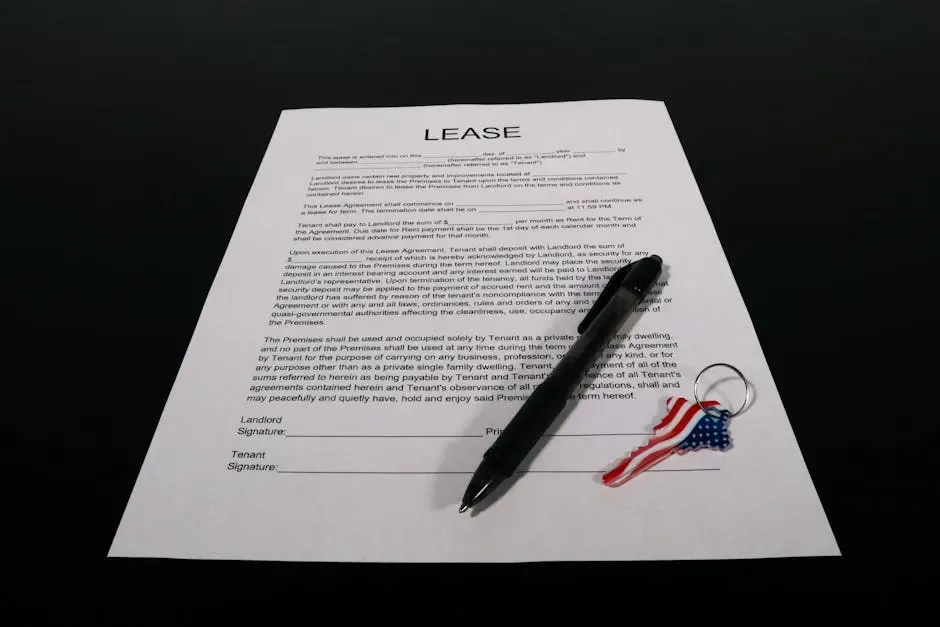
Umbrella policies for rental properties give landlords a larger layer of liability protection above the liability on their rental property policies, their homes and their cars. If a tenant or visitor is seriously hurt and the claim exceeds the liability on the policy that insures the building, the umbrella pays the rest up to its limit. For small landlords, including the many Greater Boston owners who live in one unit of a two- or three-family house and rent the others, an umbrella is often the most direct way to protect personal savings from a rental-related lawsuit. This post covers the landlord-specific questions: what sits underneath, how many units a personal umbrella will accept, LLC ownership, and the claims landlords tend to face.
An umbrella only works above a liability policy that covers the rental first. How that underlying coverage is set up depends on how you own and use the building.
If you live in one unit and rent the others, the building is often written on a homeowners form that accounts for the additional units. The liability on that policy is the underlying layer for the whole building, and your personal umbrella sits over it. Our multi-family insurance page explains how these buildings are typically insured.
A rental house, condo unit or multi-family building you do not occupy is usually written on a dwelling fire or landlord form. Liability on those forms is sometimes optional or added by endorsement, so check that premises liability is actually on the policy. Without it, the umbrella has nothing to sit on, and many umbrella carriers will not accept the risk.
A condo you lease to a tenant needs a unit-owner policy set up for a rented unit, with liability. The association's master policy covers common areas, not what happens inside your unit.
Every umbrella carrier sets minimum liability limits it requires on each underlying policy, including each rental property. Those requirements differ by company. If one rental policy carries a lower limit than required, you can be responsible for the gap on a claim at that property.
Personal umbrella carriers also set limits on how much rental exposure they will take: a maximum number of rental units or properties, and sometimes restrictions on building types or short-term rentals. Past that point, the landlord business usually moves to commercial coverage, with a commercial umbrella over commercial general liability. Where that line falls is a carrier-by-carrier question, so list every property and unit when you ask for a quote.
Many landlords hold property in a limited liability company. That affects the umbrella in a way people often miss: a personal umbrella generally covers the named individuals and their household, while a property owned by an LLC is insured with the LLC as the named insured on the underlying policy.
An LLC can be a useful legal structure, but it does not replace insurance; talk with your attorney about the legal side and with your agent about matching the names on every policy.
Rental property creates exposures that a single-family homeowner does not have:
It can, up to the number of units or properties the carrier accepts, as long as each property has qualifying underlying liability.
Common limits run in $1 million steps. Consider your total equity in all properties, your other assets, and how many people live in or visit your buildings.
A personal umbrella usually covers your whole household, including cars and your own home, so the underlying requirements apply to all of them. For the general mechanics, see what personal umbrella insurance is; for pricing factors, see our liability and umbrella cost guide.
Stanton Insurance Agency in Waltham insures owner-occupied multi-families, rental condos and investment properties, and as an independent agency we can compare which carriers will accept your mix of units under a personal umbrella and when a commercial approach fits better. Larger portfolios can be reviewed with our business insurance team. Visit our umbrella insurance page, call 781-893-3200, or request an umbrella quote.
Use this commercial insurance audit preparation checklist to organize payroll, sales, subcontractor, and verification records.
Use this business property inventory checklist to document equipment, stock, leased items, and off-site assets for insurance reviews and claims.
Use this business insurance renewal checklist to document operational changes, prepare current records, and ask better questions before renewing coverage.
Our Waltham agents compare policies from several carriers and explain the differences in plain terms.