Car Insurance Renewal Checklist for Massachusetts Drivers
Use this car insurance renewal checklist to review drivers, vehicles, coverage, discounts, and same-policy comparisons before renewing in Massachusetts.
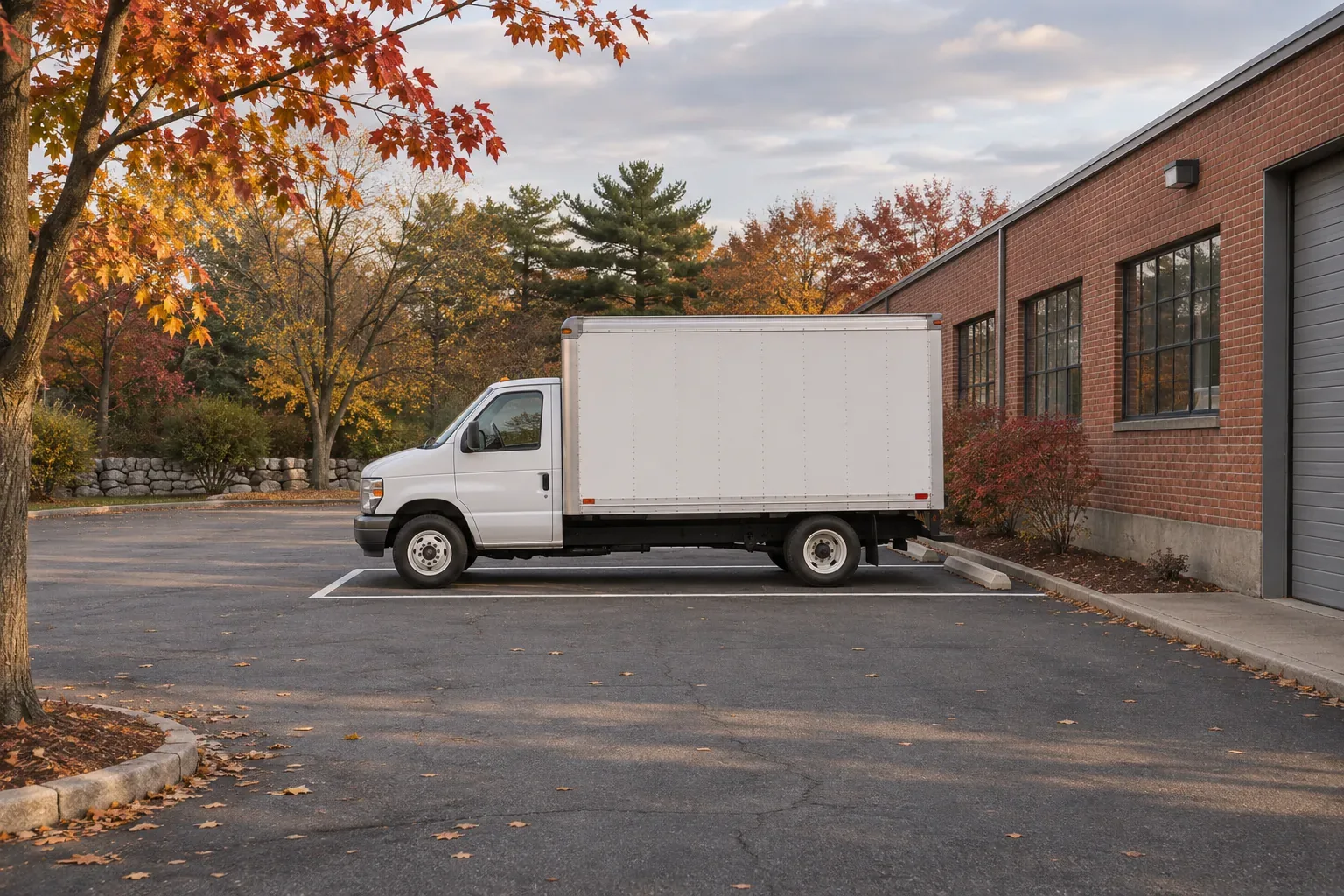
What does commercial auto liability insurance cost? It depends on what you drive, who drives it, how far and where, the limits you carry and your claims history. A single pickup used by an owner for local estimates and a fleet of box trucks running deliveries across the state are priced on completely different terms. National averages rarely match a Massachusetts quote, so this guide focuses on how the price is actually built and which parts of it you can influence.
If you want a figure for your vehicles, Stanton's commercial lines team in Waltham can quote commercial auto with more than one insurance company. Call 781-893-3200 or request a quote.
Liability is the part of a commercial auto policy that pays for injuries and property damage your business vehicles cause to others, plus the cost of defending you. It is usually the largest part of the premium. A full commercial auto policy can also include physical damage to your own vehicles (collision and comprehensive), personal injury protection, medical payments, and uninsured and underinsured motorist coverage.
Commercial policies often use a combined single limit, one figure that applies to bodily injury and property damage together for each accident, rather than the split limits common on personal policies.
Vehicles registered in Massachusetts must carry the state's compulsory coverages. For policies issued or renewed on or after July 1, 2025, those minimums include $25,000 per person and $50,000 per accident for bodily injury to others, $30,000 for damage to someone else's property, $8,000 of personal injury protection and uninsured motorist bodily injury coverage of $25,000 per person and $50,000 per accident.
Those amounts are a legal floor, not a business recommendation. A serious accident involving a work truck can produce claims far beyond them, and the business, not just the driver, is usually named in the lawsuit. Clients, general contractors and municipalities also commonly require higher commercial auto limits before you can work for them. Vehicles operating in interstate commerce can be subject to federal minimum limits as well.
Heavier vehicles can do more damage and cost more to repair, so a light pickup or cargo van generally rates lower than a heavy straight truck or tractor. Specialty equipment, such as a dump body or a plow, also affects pricing.
Carriers distinguish between vehicles used for service calls, for delivering goods, for transporting people and for hauling for others. Delivery and for-hire use usually rate higher than an owner driving to job sites.
How far vehicles regularly travel from where they are garaged matters, as does where they are garaged. Urban areas with heavier traffic generally rate higher than suburban or rural ones. Vehicles that run into Boston daily face different exposure than those that stay in one suburb.
Driving records are one of the biggest factors. Carriers review motor vehicle reports for every listed driver and may decline or surcharge drivers with recent accidents, violations or license suspensions. Young or inexperienced drivers may need approval or may be excluded.
Prior accidents and claims affect pricing for several years. A pattern of small claims can matter as much as one large one.
Higher liability limits cost more, but the cost of moving from a moderate limit to a higher one is often reasonable compared with the protection gained. Higher physical damage deductibles lower that part of the premium.
Fleets may be rated differently from a single vehicle and may have access to fleet programs, safety credits or loss-sensitive plans.
Business vehicles generally drive more miles, carry heavier loads, are driven by more people and spend more time on the road during busy hours. Those differences show up in the price. A personal auto policy may not cover a vehicle used regularly for business at all, which is why we ask how every vehicle is used before quoting.
If employees run errands, visit clients or make deliveries in their own cars, their personal policy is primary, but the business can be sued if a serious accident exceeds their limits. Hired and non-owned auto liability covers the business in that situation, and in rented vehicles. It is inexpensive relative to the exposure and can often be added to a business owner's or general liability policy.
Stanton Insurance Agency in Waltham writes commercial auto and truck coverage for Massachusetts businesses, from a single work van to larger fleets, and our in-house claims staff help clients after an accident. Read more in the commercial auto section of our business insurance page or call 781-893-3200.
Use this car insurance renewal checklist to review drivers, vehicles, coverage, discounts, and same-policy comparisons before renewing in Massachusetts.
A car insurance down payment is the first installment of your premium. Here is how it is set, why it differs by carrier, and…
Uninsured motorist coverage pays for your injuries when the at-fault driver has no insurance or drives off. In Massachusetts it is compulsory. Here is…
Our Waltham agents compare policies from several carriers and explain the differences in plain terms.