Why State Minimum Liability Coverage Matters More Than You Think
State minimum liability is the lowest amount of car insurance your state legally requires you to carry. Here’s a quick snapshot of what that means in practice:
| Coverage Type | What It Pays For | Common Minimum (Most States) |
|---|---|---|
| Bodily Injury (per person) | Medical bills for one injured person | $25,000 |
| Bodily Injury (per accident) | Medical bills for all injured people | $50,000 |
| Property Damage | Damage to another person’s vehicle or property | $25,000 |
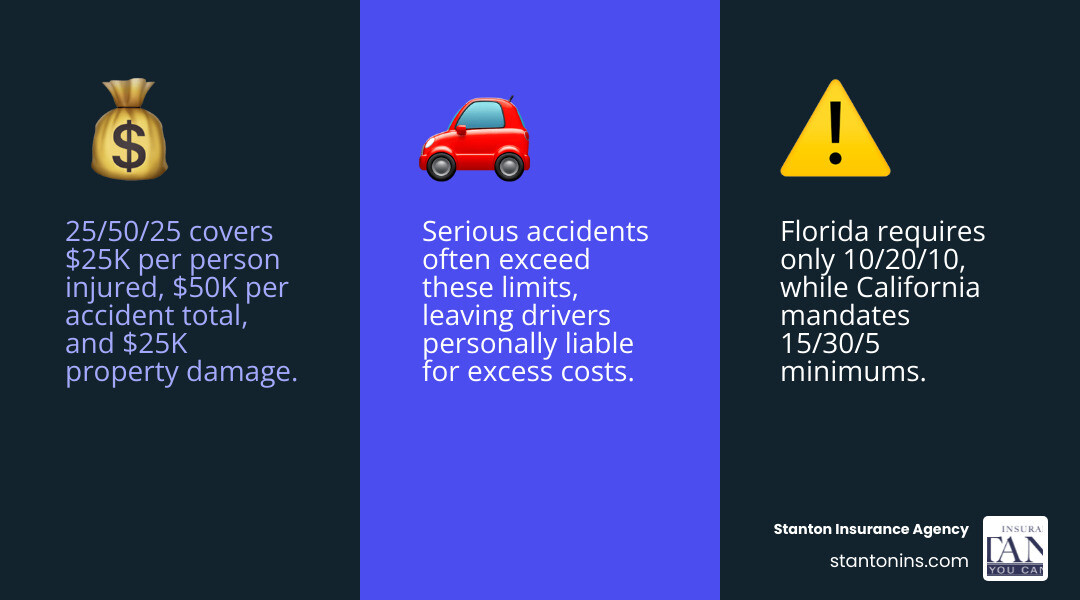
This is called a 25/50/25 split limit — and it’s the most common standard across the U.S. But not every state uses it. Florida only requires $10,000 in property damage and $10,000 in personal injury protection. California sets limits as low as 15/30/5. And New Hampshire doesn’t require car insurance at all.
The bottom line: what’s legal isn’t always what’s enough.
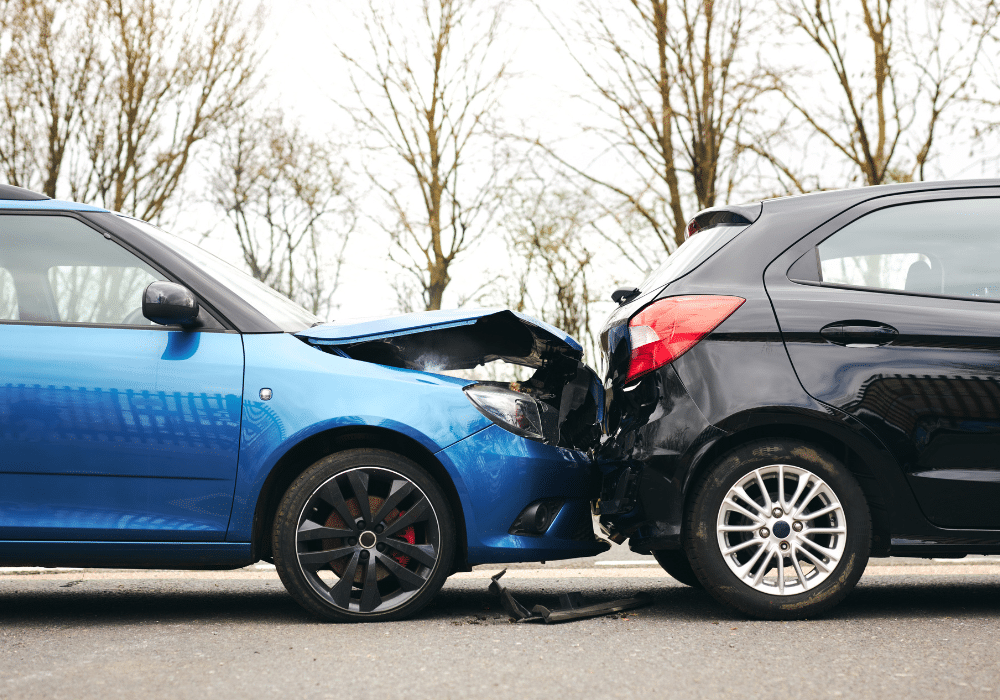
A serious accident — a rear-end collision on Route 9, a multi-car pileup on I-93 — can generate medical bills and repair costs that blow past state minimums in minutes. When that happens, you pay the difference out of pocket.
That’s why understanding your state’s minimums is step one — but it’s rarely the last step you should take.
I’m Geoff Stanton, President of Stanton Insurance Agency in Waltham, Massachusetts, and a Certified Insurance Counselor with over two decades of experience helping drivers navigate state minimum liability requirements and find coverage that actually protects them. In this guide, I’ll walk you through exactly what each state requires, where the gaps are, and what you can do about them.
State minimum liability definitions:
- Liability Car Insurance Cost
- how much does liability only car insurance cost
- minimum coverage for car insurance
Understanding State Minimum Liability Insurance
When we talk about state minimum liability, we are referring to the baseline financial protection required by law to operate a motor vehicle. This coverage is designed to protect other people from the financial consequences of your actions behind the wheel. It does not pay for your own car or your own medical bills (unless you have specific additional coverages like PIP).
Bodily Injury Liability
This part of the policy pays for the medical expenses, lost wages, and legal fees of people you injure in an accident. If you are found at fault, this coverage kicks in to handle the victim’s hospital stays, surgeries, and rehabilitation. You can learn more about how this works in our Bodily injury liability guide.
Property Damage Liability
This covers the costs to repair or replace someone else’s property that you damage with your vehicle. Usually, this is another car, but it also applies to fences, lamp posts, or even storefronts. For a deeper dive, see our page on Property damage liability.
Split Limits vs. Combined Single Limit
Most states use “split limits,” which are the three numbers you see (like 25/50/25).
- The first number is the maximum the insurer will pay for bodily injury to one person.
- The second number is the maximum the insurer will pay for all bodily injuries in one accident.
- The third number is the maximum for property damage.
Alternatively, some policies offer a Combined Single Limit (CSL). This is one lump sum (e.g., $300,000) that can be used for any combination of bodily injury and property damage. While less common for standard drivers, it offers more flexibility.
For a clearer understanding of these terms, check out our Liability insurance definition and our Liability car insurance legal guide.

State Minimum Liability in Massachusetts and New Hampshire
Since we call Massachusetts and New Hampshire home, it’s vital to understand how the rules differ right here in our backyard.
Massachusetts Requirements In the Bay State, the state minimum liability is currently set at 20/40/5. This means:
- $20,000 for bodily injury per person.
- $40,000 for bodily injury per accident.
- $5,000 for property damage.
Additionally, Massachusetts is a no-fault state, requiring $8,000 in Personal Injury Protection (PIP) and Uninsured Motorist coverage. You can find more details here: What is the minimum car insurance coverage in Massachusetts?
New Hampshire Requirements New Hampshire is unique. It is the only state that does not strictly mandate car insurance for most drivers. Instead, it follows a Financial Responsibility law. If you choose not to buy insurance, you must be able to prove you have the funds to pay for an accident you cause. However, if you do choose to buy insurance (which we strongly recommend), the minimum limits are 25/50/25, plus $1,000 in Medical Payments and Uninsured Motorist coverage. You can read the official New Hampshire Insurance Department FAQ or check out this resource on What is the minimum car insurance coverage in New Hampshire?
Required Coverages Beyond Liability
While liability is the “core” of state minimum liability, many states (including MA) require extra layers of protection:
- Uninsured/Underinsured Motorist (UM/UIM): This protects you if you’re hit by someone who has no insurance or limits that are too low to cover your bills.
- Personal Injury Protection (PIP): Often called “no-fault” insurance, this covers your medical bills and lost wages regardless of who caused the accident.
- Medical Payments (MedPay): Similar to PIP but narrower, it specifically covers medical and funeral expenses for you and your passengers.
Minimum Liability Car Insurance Requirements by State
Every state has the authority to set its own limits. This creates a patchwork of requirements across the country. While 25/50/25 is the most common standard (used by about 25 states), there are significant outliers.
| State | Minimum Liability Limits (BI Per Person/BI Per Accident/PD) | Additional Required Coverage |
|---|---|---|
| Massachusetts | 20/40/5 | PIP, Uninsured Motorist |
| New Hampshire | 25/50/25 (Only if insured) | MedPay, Uninsured Motorist |
| California | 15/30/5 | None |
| Florida | 10/20/10 (BI not always req.) | PIP, Property Damage Liability |
| Texas | 30/60/25 | None |
| Maine | 50/100/25 | MedPay, UM/UIM |
| Michigan | 50/100/10 | PIP, Property Protection |
| Alaska | 50/100/25 | None |
As you can see, California and Florida have some of the lowest requirements in the nation, while states like Maine and Alaska require much higher limits. You can view a full list of State-by-State Minimum Coverage Requirements to see where every state stands.
Why State Minimum Liability Often Falls Short
We often tell our clients that buying only the state minimum liability is like wearing a umbrella in a hurricane. It’s better than nothing, but you’re still going to get wet.
- Medical Inflation: A single night in a Boston-area hospital can cost thousands. If you have a $20,000 limit and the victim requires surgery and a week of recovery, that $20,000 will be gone before they even leave the ICU.
- Asset Protection: If you are sued for an amount higher than your insurance limits, your personal assets—like your savings, your home, or your future wages—could be at risk.
- Property Damage Realities: In Massachusetts, the minimum property damage limit is $5,000. If you accidentally total a new SUV or drive into a neighbor’s porch, $5,000 won’t even cover the bumper.
- Legal Costs: While liability insurance usually includes a legal defense, if your limits are exhausted, you might find yourself footing the bill for ongoing litigation.
For a deeper look at why you might need more, see our Car insurance liability limits complete guide and The bare minimum: a driver’s guide to essential car insurance coverage.
At-Fault vs. No-Fault Systems
The way your state minimum liability works depends heavily on whether you live in a “Tort” (At-Fault) or “No-Fault” state.
At-Fault (Tort) States In most states, the person who caused the accident is responsible for the damages. The victim files a claim against the at-fault driver’s insurance company. If the damages exceed the at-fault driver’s limits, the victim can sue for the remainder.
No-Fault States There are 12 no-fault states, including Massachusetts, New York, and Florida. In these states, your own insurance (via PIP) pays for your medical bills regardless of who caused the accident. This is intended to reduce the number of small lawsuits and speed up the claims process. However, you can still be sued if the injuries are “serious” or if medical bills exceed a certain monetary threshold.
Michigan has the most unique no-fault system, requiring $1 million in Property Protection Insurance (PPI) for damage to stationary property within the state. You can find more details in the Automobile Financial Responsibility Laws By State.
The Consequences of Driving Without Insurance
Driving without meeting your state minimum liability requirements is a gamble that rarely pays off. Every state has a system to track insurance status, and the penalties are stiff.
- Fines: You could face hundreds or even thousands of dollars in civil penalties.
- License Suspension: Most states will suspend your driver’s license and vehicle registration until you provide proof of insurance.
- SR-22 Filings: If you’re caught driving uninsured, you may be required to have your insurance company file an SR-22 form with the DMV, proving you have coverage. This usually results in much higher premiums for several years.
- Vehicle Impoundment: Police have the authority to tow and impound your vehicle if you cannot provide proof of insurance during a traffic stop.
- Jail Time: In some states, repeat offenses or causing an accident while uninsured can lead to actual jail time.
Beyond the legal penalties, being uninsured means you are personally responsible for every dollar of damage you cause. We’ve seen lives changed by a single lapse in coverage. For more on the costs involved, check out our Liability car insurance cost guide.
Frequently Asked Questions about State Minimums
Does state minimum liability cover damage to my own vehicle?
No. This is one of the biggest misconceptions we encounter. State minimum liability only covers the other person. If you want coverage for your own car, you need:
- Collision Coverage: For accidents where you hit another car or object.
- Comprehensive Coverage: For “acts of God” like theft, fire, or a tree falling on your car during a New England storm.
Without these, you are responsible for your own repairs. Read more in Full coverage vs liability car insurance.
Which states do not require car insurance?
As mentioned, New Hampshire is the primary exception, relying on financial responsibility laws rather than mandatory insurance. While Virginia previously allowed drivers to pay a $500 Uninsured Motorist Fee to drive without coverage, the state transitioned to mandatory insurance requirements in 2024. In all other states, carrying at least the minimum liability limits is a legal requirement.
What are the insurance requirements for motorcycles or rentals?
- Motorcycles: Most states require liability limits for motorcycles. In Massachusetts, motorcycle insurance is mandatory. However, in Florida, motorcycle insurance is not required for registration, though riders are held financially responsible for any injuries or property damage they cause in an accident.
- Rentals: When you rent a car, you must still meet the state minimum liability limits of the state where you are driving. Your personal auto policy usually extends to rentals, but it’s always worth double-checking with your agent at Stanton Insurance Agency to ensure your specific coverage carries over.
- Foreign Missions: Interestingly, vehicles for the Foreign Mission Community must carry much higher limits—$300,000 Combined Single Limit (CSL)—to ensure diplomatic staff are properly covered under federal law.
Conclusion
Navigating state minimum liability can feel like a chore, but it is the foundation of your financial security on the road. Whether you are driving through the busy streets of Waltham or cruising the scenic routes of New Hampshire, knowing you are legally compliant is the first step toward peace of mind.
At Stanton Insurance Agency, we don’t just sell policies; we provide trusted protection for your most valuable assets. We take the time to look at your specific situation—your assets, your commute, and your budget—to recommend limits that actually protect you.
Don’t wait until after an accident to find out your coverage is lacking. If you’re curious about the costs, take a look at our Liability only insurance cost guide.
Ready to see what the right coverage looks like for you? Get a personalized car insurance quote from Stanton Insurance Agency today. We’re here to make sure you never get caught under-covered.