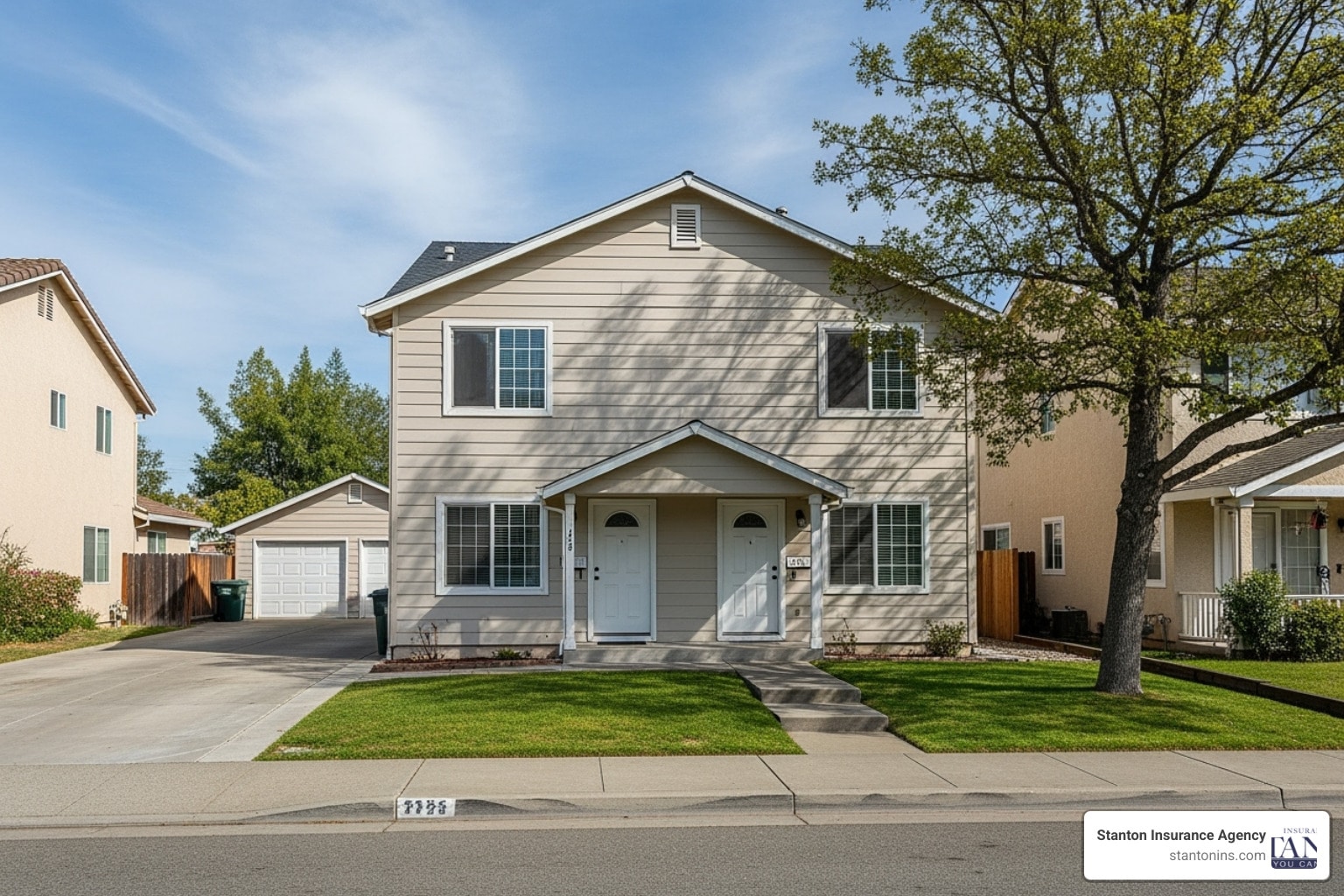
Residential Landlord Insurance: Top 3 Essential Benefits
Why Landlord Insurance is Essential for Rental Property Owners
Residential landlord insurance is specialized coverage for rental property owners. It protects against risks that standard homeowners insurance excludes, such as tenant damage, liability claims, and lost rental income.
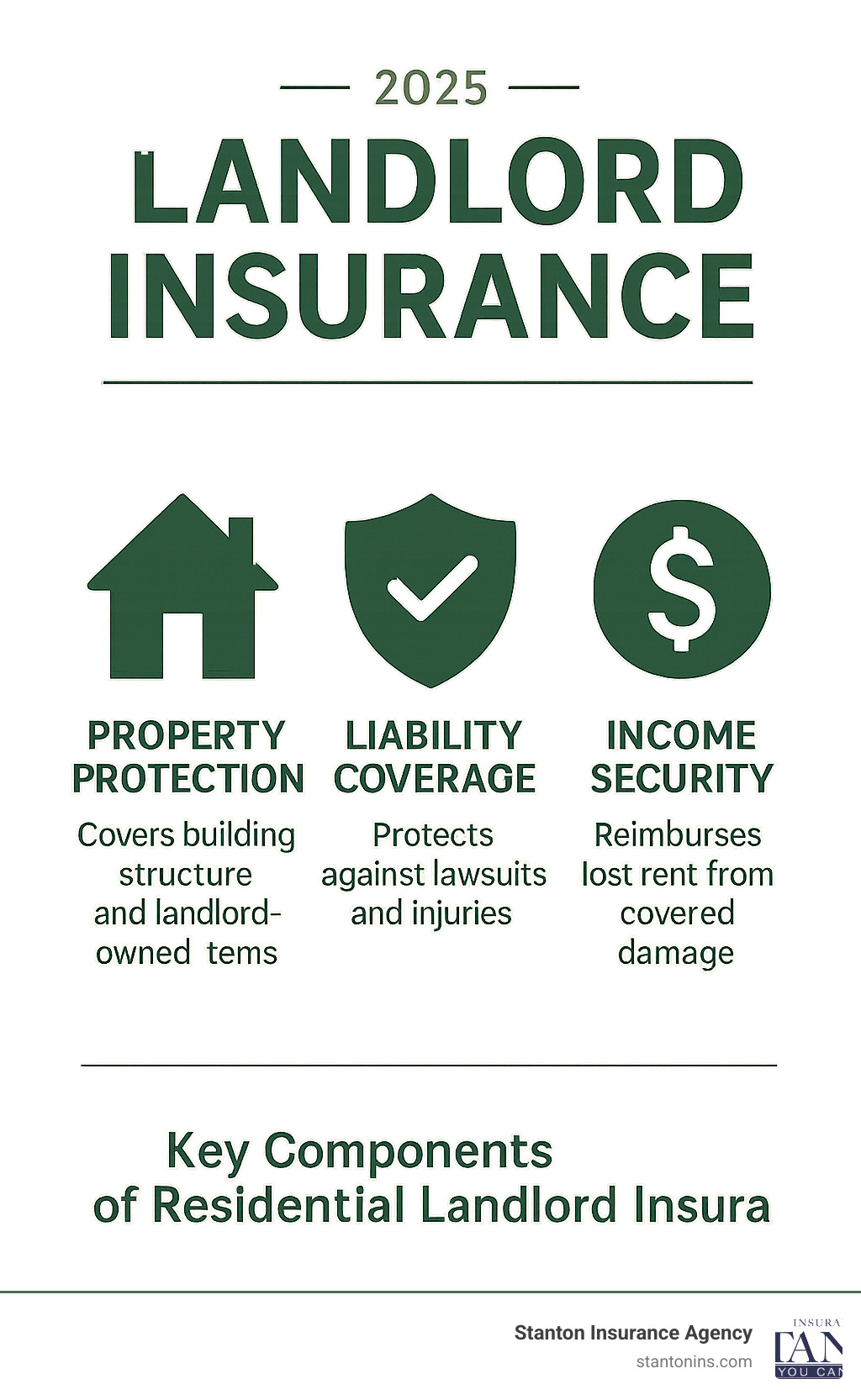
Key Components of Residential Landlord Insurance:
- Property Protection: Covers building structure, landlord-owned appliances, and furnishings
- Liability Coverage: Protects against lawsuits from tenant or visitor injuries on your property
- Loss of Rent: Reimburses lost rental income when your property becomes uninhabitable due to covered damage
- Medical Payments: Covers minor medical expenses for injuries occurring on your rental property
- Legal Expenses: Helps with costs related to tenant disputes and property damage claims
While not legally required, landlord insurance is highly recommended. Most mortgage lenders mandate this coverage to protect their investment. Without it, you’re personally liable for devastating financial losses from property damage, liability claims, and lost rent.
Standard homeowners policies don’t cover rental activities, leaving a dangerous gap in protection that could cost you your entire investment.
I’m Geoff Stanton, President of Stanton Insurance Agency. For over two decades, I’ve helped Massachusetts and New Hampshire property owners find the right residential landlord insurance to protect their investments from the unique challenges they face.
Your Essential Guide to Landlord Insurance
What is residential landlord insurance?
When you rent out a property, you become a landlord, and your insurance needs change. Residential landlord insurance is a financial safety net for properties you own but don’t live in. Unlike standard home insurance, which assumes you occupy the property, landlord insurance is built for the unique challenges of having tenants.
This coverage is for non-owner-occupied properties with one to four rental units, like single-family homes or small apartment buildings. It provides financial protection against risks like tenant-related damage and liability claims that could devastate your investment.
The beauty of landlord insurance lies in its focus on investment security. It understands that your rental property isn’t just a building—it’s a business asset. For more detailed guidance on protecting larger properties, check out our resources on Homeowners Insurance for Multi-Family properties.
Why do I need landlord insurance?
While residential landlord insurance isn’t legally required in Massachusetts or New Hampshire, it’s essential for protecting your financial future.
Mortgage lender requirements often make the decision for you. If you have a mortgage, your lender will almost certainly require landlord insurance to protect their investment—and you should protect yours, too.
Even if you own the property outright, standard homeowners insurance won’t cover rental-related risks once you start collecting rent. This creates serious homeowners policy gaps, leaving you exposed to legal liability for tenant injuries and property damage, which can be incredibly costly.
Tenant-related risks are real, from accidental fires to slip-and-fall lawsuits. Without proper coverage, you’re personally liable for these expenses. This is critical for all landlords, including accidental landlords who didn’t initially plan to rent out their property.
The bottom line is simple: protecting your assets means having the right insurance. Your rental property is a significant investment, and proper insurance ensures one bad incident doesn’t wipe out years of hard work. For more information, visit the Information on landlord responsibilities in Massachusetts resource page.
Understanding Your Residential Landlord Insurance Coverage
What Landlord Insurance Typically Covers
A residential landlord insurance policy is custom to the unique challenges of owning rental property. Here’s what it typically covers:
- Property Structure Damage: Covers the building itself (roof, walls, foundation) from perils like fire and smoke damage or weather damage from wind and hail.
- Water Damage from Burst Pipes: Protects against damage from frozen or burst pipes, a common issue in New England winters.
- Landlord’s Personal Property: Covers items you own and provide for tenant use, such as appliances or furnishings.
- Liability Protection: Shields you from legal and medical costs if a tenant or visitor is injured on your property. This Property Damage Liability coverage handles legal fees and medical payments from lawsuits.
- Loss of Rental Income: Also called fair rental value, this reimburses you for lost rent if a covered event makes your property uninhabitable during repairs. This is crucial since mortgage payments don’t stop. Learn more with our guide on Business Income Insurance.
What Landlord Insurance Typically Does Not Cover
It’s just as important to understand what your policy doesn’t cover to avoid surprises. Common exclusions include:
- Tenant’s Personal Belongings: Your policy doesn’t cover your tenant’s property. They need their own renters insurance. Learn more about What is Personal Liability Insurance for Renters?.
- Normal Wear and Tear: Gradual deterioration like fading paint, worn carpets, or aging appliances is considered a maintenance issue, not an insurable loss.
- Pest Infestations: Termites, mice, and other pests are typically considered a maintenance issue.
- Flood Damage: Damage from rising water requires a separate policy. Given New England’s weather, consider if your business needs Flood Insurance.
- Earthquake Damage: This usually requires a separate endorsement or policy.
- Intentional Tenant Damage: Malicious acts by a tenant are often excluded from standard policies, though some offer endorsements for this.
- Eviction Costs: Legal fees associated with evicting a tenant are not covered.
Landlord Insurance vs. Homeowners Insurance: What’s the Difference?
Many property owners mistakenly believe their homeowners insurance covers a rental property. It doesn’t. Once you have a tenant, your insurance needs change completely.
The key difference is occupancy. Homeowners insurance is for an owner-occupied primary residence. Residential landlord insurance, on the other hand, treats the property as a business asset occupied by tenants.
| Feature | Homeowners Insurance | Landlord Insurance |
|---|---|---|
| Occupancy | Owner-occupied | Tenant-occupied (non-owner-occupied) |
| Property Coverage | Structure + Owner’s Personal Belongings | Structure + Landlord’s Personal Property (appliances, furnishings) |
| Liability Scope | Personal liability for incidents at your residence | Premises liability for incidents related to the rental business |
| Loss of Rent Coverage | Generally not included | Included for covered perils rendering property uninhabitable |
Key Distinctions for Property Owners
A homeowners policy covers your personal belongings. A landlord policy only covers property you own as the landlord, like the structure and any provided appliances.
The liability scope also differs. Homeowners insurance provides personal liability, while residential landlord insurance provides premises liability for the rental business, covering risks like tenant injuries.
Crucially, landlord insurance includes loss of rental income coverage. If a covered event makes the property uninhabitable, this helps replace the lost rent. Homeowners policies do not include this. For a deeper understanding of standard home policies, check out What the Heck is Home Insurance Anyway? Your Ultimate Guide.
When to Switch from Homeowners to Landlord Insurance
Switching from a homeowners to a residential landlord insurance policy is essential. You must make the change when:
- Renting out your entire home: Your homeowners policy is void once the property is no longer your primary residence. This applies to “accidental landlords” as well.
- Taking on long-term tenants: Even a six-month lease requires landlord insurance.
You must notifying your insurer of any change in property use. Assuming your old policy still covers you is a costly mistake.
An experienced agent can make the policy conversion straightforward, ensuring no gaps in protection. We can help you transition from a homeowners policy to the right landlord coverage for your situation. You can start by getting Home Insurance Quotes to understand the baseline.
The Cost of Landlord Insurance and How to Save

Cost is a major concern for landlords. While residential landlord insurance premiums vary, understanding the factors that influence your rate can help you find affordable, comprehensive coverage.
Key factors that determine your residential landlord insurance cost
- Property Location: Properties in areas with higher risk profiles, such as urban centers or coastal regions in MA and NH, will have higher premiums.
- Property Age and Condition: Older properties may have outdated systems (electrical, plumbing), increasing risk and premiums. A well-maintained, newer property is cheaper to insure.
- Construction Type & Rebuild Cost: Fire-resistant materials like brick can lower costs compared to wood-frame construction. The estimated rebuild cost is a primary driver of your premium. For more details, see How Much is Insurance on a Multi-Family Home.
- Number of Rental Units: More units mean higher liability exposure and a higher premium.
- Coverage Limits and Deductibles: Higher coverage limits increase premiums, while a higher deductible can lower them.
- Claims History: A history of claims will increase your rates.
- Safety Features: Smoke detectors, security systems, and sprinklers can reduce risk and earn you discounts.
Smart Ways to Save Money on Your Policy
- Bundle policies: Combine your landlord policy with other insurance (auto, primary home) with one carrier for significant discounts.
- Increase your deductible: Choosing a higher deductible lowers your premium, but ensure you can afford the out-of-pocket cost if you file a claim.
- Install safety and security devices: Monitored alarms, deadbolts, and smoke detectors protect your property and can earn you discounts.
- Maintain a good credit score: In MA and NH, insurers may use a credit-based insurance score to determine rates. A good score can lead to lower premiums.
- Pay your premium in full: Paying your annual premium upfront instead of in monthly installments can often save you money.
- Regular property maintenance: Proactive maintenance prevents large claims, which helps keep your premiums low over time. For more tips, read our guide on Saving on Home Insurance: Practical Strategies for Homeowners.
Choosing the Right Policy and Coverages

Finding the perfect residential landlord insurance policy is a bit like finding the right tenant – it needs to be a good fit for your specific situation. Every rental property is unique, and your insurance should reflect that reality.
Types of Properties Covered
- Single-family homes: The most common rental type, well-suited for standard landlord policies.
- Duplex, triplex, or four-unit buildings: These require specialized coverage like our Multi-Family Dwelling Insurance to account for increased complexity.
- Condominium units: Your condo association’s master policy doesn’t cover your unit’s interior, liability, or personal property. You need a landlord policy to fill these gaps.
- Apartment buildings (1-4 units): Standard landlord insurance is usually sufficient. For larger complexes, you may need commercial coverage like our Apartment Building Insurance.
- Townhouses: Similar to single-family homes, but homeowner association rules can affect your insurance needs.
When to Consider Additional Coverage
A standard policy is a great start, but consider these endorsements to fill potential coverage gaps:
- High-value properties: Ensure your coverage limits are high enough for a full rebuild.
- Furnished rentals: Add sufficient personal property coverage for the furniture and appliances you provide.
- Umbrella Insurance: Umbrella Insurance provides extra liability protection beyond your primary policy limits, protecting your personal assets from major lawsuits.
- Vandalism and burglary coverage: Check if your policy includes this or if you need to add it as an endorsement.
- Building code upgrade coverage: This covers the extra cost to bring your property up to current building codes after a covered loss.
- Water backup coverage: Covers damage from backed-up sewers or drains, a common exclusion in standard policies.
Frequently Asked Questions about Landlord Insurance
Does landlord insurance cover damage caused by my tenant?
Generally, yes. A landlord policy typically covers accidental damage caused by a tenant, like an unintentional kitchen fire. However, it usually does not cover intentional damage or malicious acts, though you may be able to add this coverage with an endorsement. Normal wear and tear (e.g., worn carpets, scuffed paint) is never covered, as it’s considered a maintenance cost. Always review your policy for specific details on tenant damage.
Am I required to have landlord insurance in Massachusetts or New Hampshire?
No, there is no state law in Massachusetts or New Hampshire that legally requires it. However, if you have a mortgage, your lender will almost certainly require it as a condition of the loan. Even if you own the property outright, going without residential landlord insurance is a major financial risk. A single liability lawsuit or fire could jeopardize your entire investment and personal assets. For information on your legal duties, see the landlord responsibilities in Massachusetts page.
Do I need a different policy for a short-term or vacation rental?
Yes, absolutely. A standard residential landlord insurance policy is designed for long-term leases (e.g., 6-12 months) and typically excludes or limits coverage for short-term or vacation rentals. The risks associated with high-turnover, short-term guests are different and require a specialized home-sharing or commercial policy. Always inform your insurance provider about how you use the property to ensure you have the correct coverage and avoid a denied claim.
Protect Your Investment with the Right Coverage
Your rental property is a significant financial investment that deserves robust protection. Standard homeowners insurance is not designed for the unique risks of being a landlord, such as tenant injuries, property damage from renters, and loss of rental income.
Residential landlord insurance is the essential foundation of a smart investment strategy. It provides critical protection against property damage, shields you from costly liability claims, and covers lost rent when the unexpected occurs, giving you invaluable peace of mind.
Every rental property in Massachusetts and New Hampshire is unique, and your insurance should be too. At Stanton Insurance Agency, we have over two decades of experience helping local landlords structure policies that fit their needs and budget.
Don’t leave your investment to chance. The team at Stanton Insurance Agency is ready to help you find a residential landlord insurance policy that provides comprehensive protection. Contact us today to learn more about our Multi-Family Insurance options and secure your rental property investment.