
Protect basement from flooding: Ultimate Dry 2025
Why Protecting Your Basement from Flooding Matters
Protect basement from flooding is a critical concern for homeowners, especially in Massachusetts and New Hampshire where heavy rainfall and snowmelt create perfect conditions for water damage. A flooded basement is a homeowner’s worst nightmare, leading to costly cleanup, unpleasant smells, and the loss of cherished belongings.
Quick Protection Checklist:
- Clean gutters and extend downspouts 4-6 feet from foundation
- Grade your yard so water flows away from the house (6 inches per 10 feet)
- Install a sump pump with battery backup for power outages
- Seal foundation cracks with hydraulic cement or epoxy
- Install backwater valves to prevent sewer backup
- Test systems annually and maintain equipment regularly
The stakes are high. According to industry data, just one inch of water can cause $25,000 in damages to a home. While professional basement waterproofing can cost between $2,457 and $8,173, it’s a fraction of potential flood damage costs. Most basement flooding is preventable with the right knowledge and preparation.
I’m Geoff Stanton, President of Stanton Insurance Agency. I’ve helped countless Massachusetts and New Hampshire homeowners with water damage claims. Through years of experience, I’ve learned that the most effective approach to protect basement from flooding combines proactive prevention with proper insurance coverage.
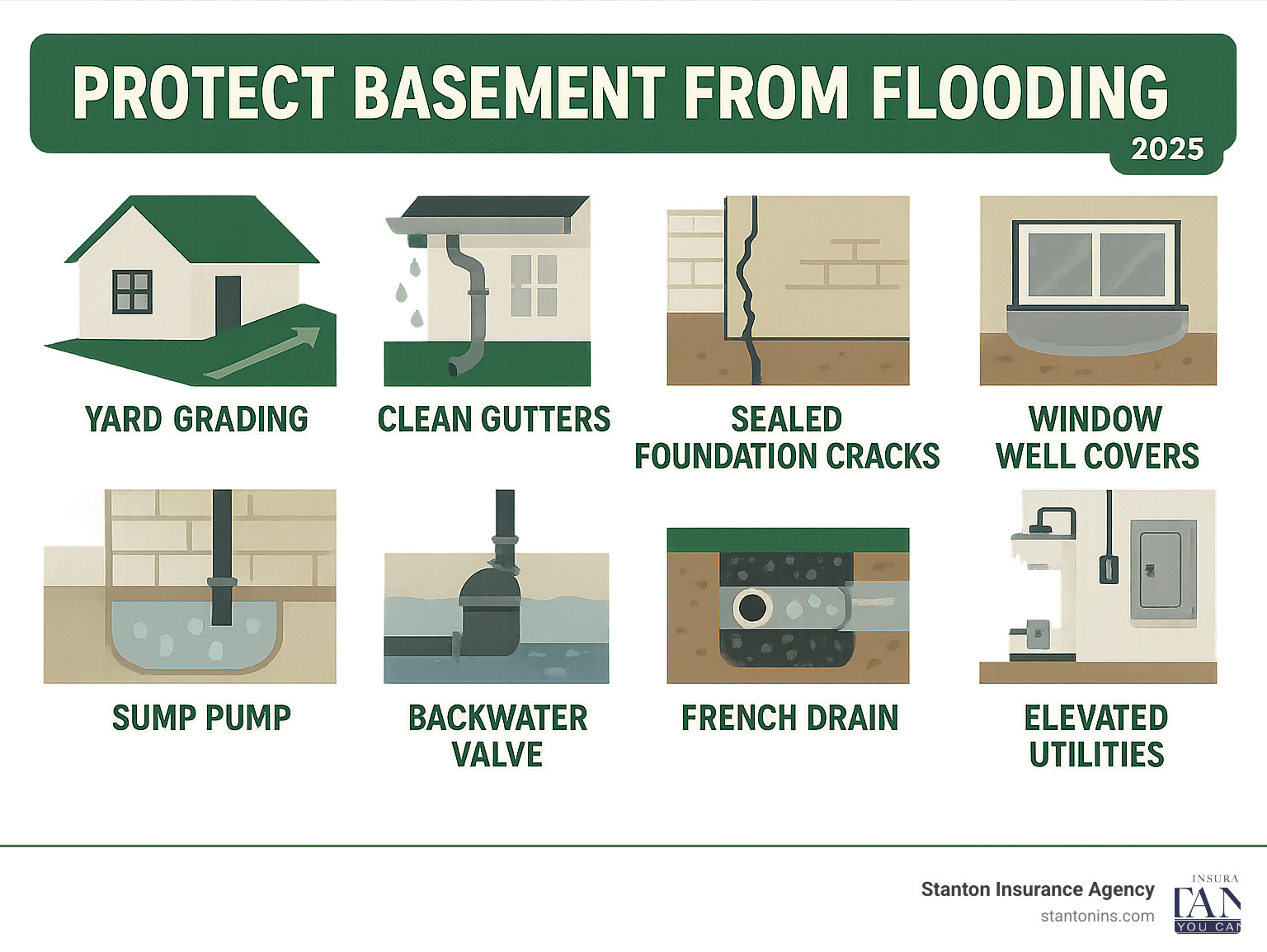
Protect basement from flooding terms at a glance:
Understanding the Common Causes of Basement Flooding
To protect your basement from flooding, you must first identify the potential culprits. Water issues typically stem from two sources: water entering from outside or internal system failures.
External Water Sources
Your basement is a natural target for water. Hydrostatic pressure builds up in saturated soil after heavy rain or snowmelt, pushing water against your foundation and through any available crack. In New England, heavy rainfall and rapid snowmelt often overwhelm the ground’s ability to absorb moisture, directing it toward your home.
Poor yard drainage, where the ground slopes toward your house, is a primary cause of flooding. Clogged gutters compound this by dumping water directly at your foundation. Over time, foundation cracks develop from settling or freeze-thaw cycles, creating entry points for water. Even improperly sealed windows and poorly drained window wells can allow significant water intrusion.
Internal System Failures
Sometimes, the problem originates inside. A sump pump failure, especially during a power outage, can lead to rapid flooding. Sewer line backups are another major issue, forcing wastewater into your home when municipal systems are overwhelmed. Finally, common plumbing issues like burst pipes, leaking water heaters, or washing machine leaks can release a surprising amount of water quickly.
Understanding these potential sources of trouble helps you know what to watch for and where to focus your prevention efforts.
Your First Line of Defense: Exterior Waterproofing and Drainage
The most effective way to protect basement from flooding is to stop water before it reaches your foundation. This exterior approach focuses on managing water on your property through smart maintenance and landscaping.
Mastering Gutters and Downspouts to Protect Your Basement from Flooding
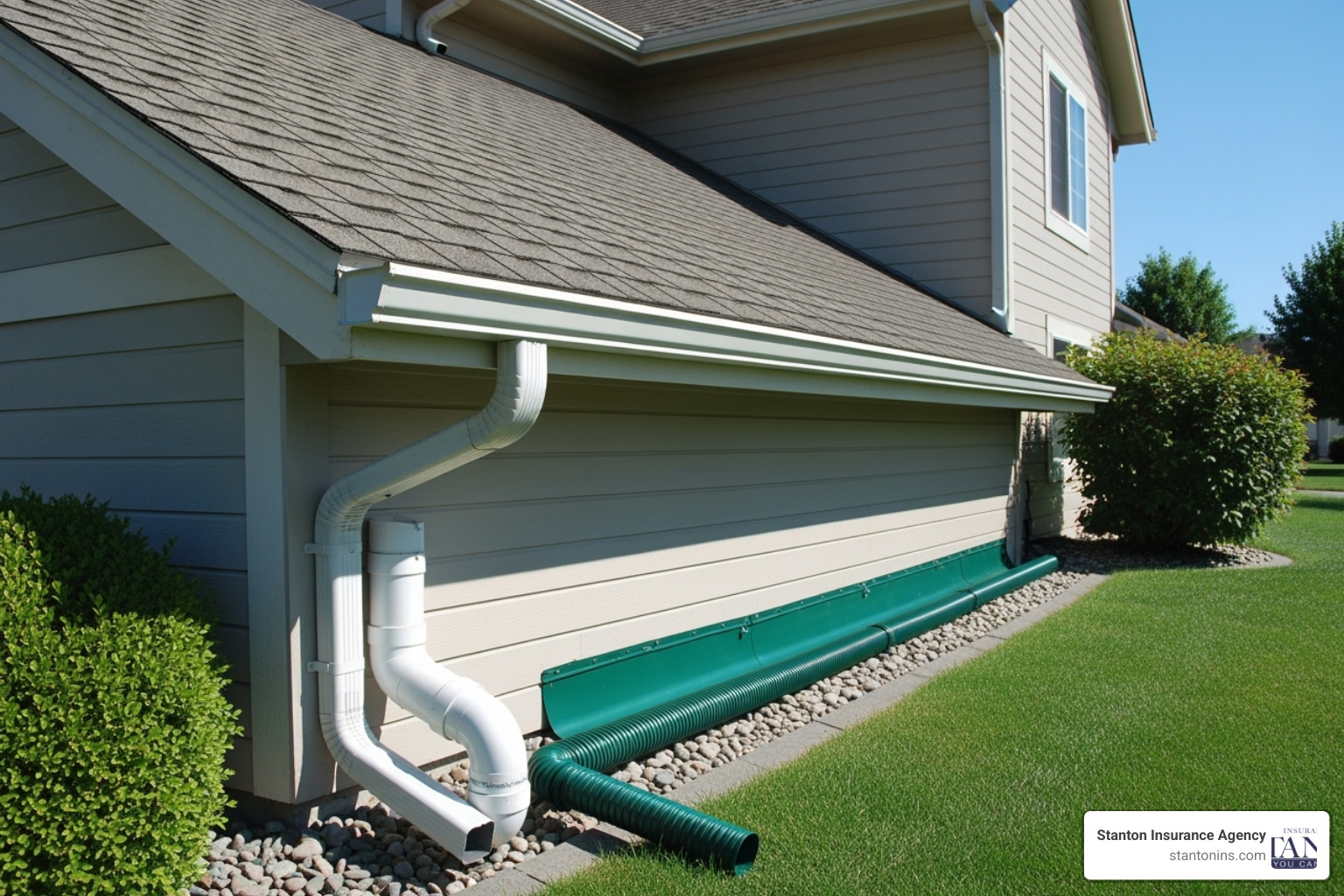
Your gutters channel thousands of gallons of water away from your roof. To ensure they work properly, they must be kept clean.
Gutter cleaning should be done at least twice a year, in spring and fall. Clogged gutters overflow, dumping water right next to your foundation. After removing large debris, flush the gutters with a hose to clear small particles and check for proper flow.
Clean gutters aren’t enough. Downspout extensions are crucial to direct water at least 4-6 feet away from your foundation. Use splash blocks to prevent erosion where the water discharges. Regularly inspect your gutter system for sags, leaks, or loose fasteners to catch problems early.
The Importance of Proper Yard Grading and Landscaping

If your yard slopes toward your house (negative grading), you’re directing water straight to your basement. The goal is positive grading, a gentle slope away from your foundation—ideally 6 inches of fall for every 10 feet. This can often be achieved by adding soil around the foundation. For more complex issues, consult a professional landscaper.
Landscaping choices also matter. Keep large shrubs and trees at least 10 feet from your foundation to prevent root damage. Strategically place water-loving plants further away to help absorb excess moisture. Finally, install window well covers to prevent these areas from collecting rain and snow, providing a simple but effective barrier.
Fortifying from Within: Interior Solutions to Protect Your Basement from Flooding
While exterior defenses are your first line, interior systems provide a critical safety net to protect basement from flooding, especially in areas with high water tables like Massachusetts and New Hampshire.
The Role of Sump Pumps and Battery Backups
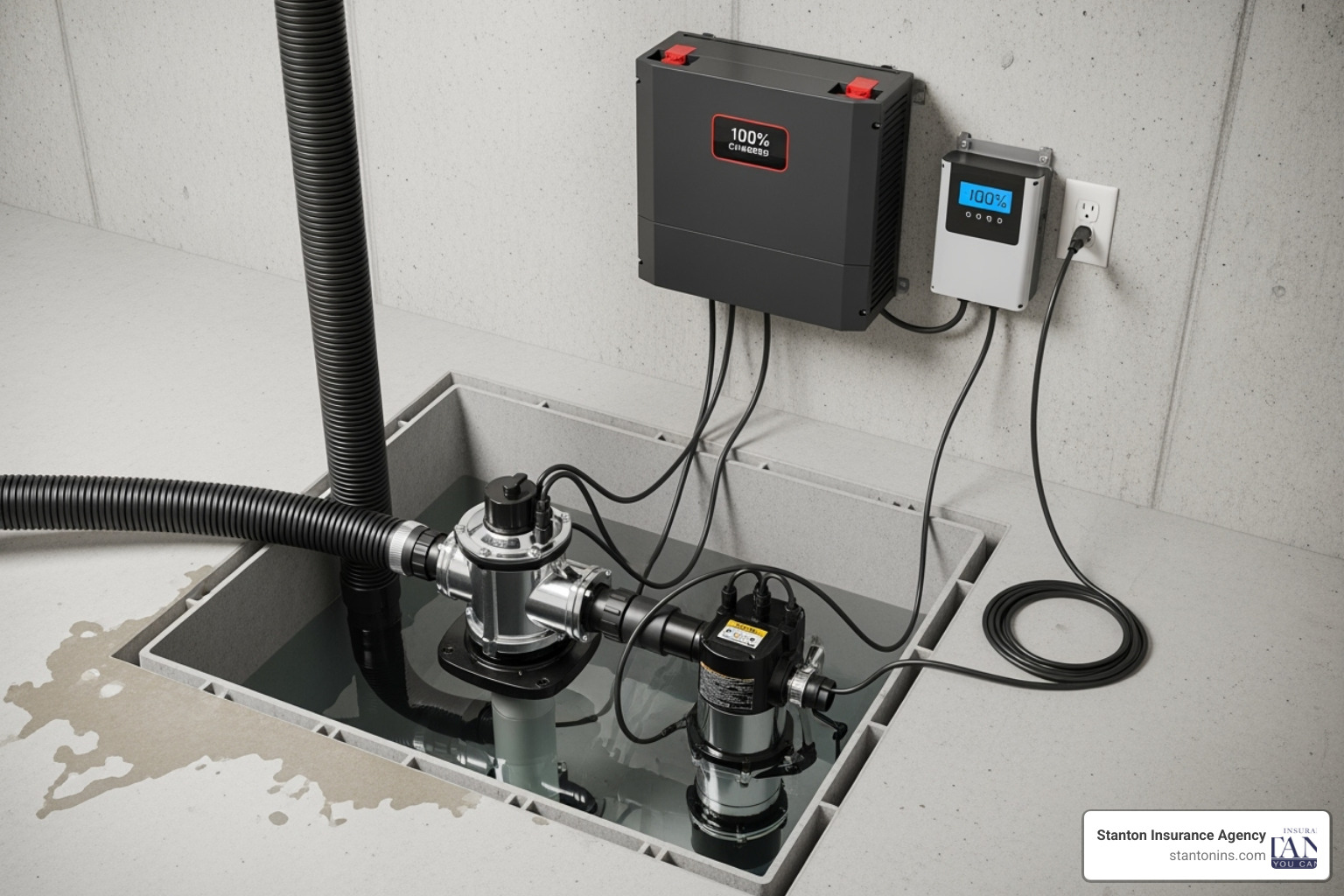
Your sump pump is your basement’s primary defender against water intrusion. Located in a sump pit at the lowest point of your basement, it automatically pumps out water that collects there. You can choose between pedestal pumps, which are easier to service, and submersible pumps, which are quieter.
Annual testing is non-negotiable. Pour a bucket of water into the pit to ensure the float rises and the pump activates, discharging the water. This simple test can prevent a disaster.
Since storms often cause power outages, a battery backup system is essential. It automatically powers your pump when the electricity goes out. For longer outages, a portable generator offers an additional layer of security.
Sealing Cracks and Waterproofing Walls
Water can exploit the smallest weaknesses in your foundation. Regularly inspect your basement walls and floor for cracks.
Seal minor vertical cracks with hydraulic cement, which expands as it dries to create a watertight bond. For larger issues, epoxy injections offer a professional-grade seal. Applying waterproofing paint to unfinished concrete walls can also create a barrier against dampness.
For persistent water problems, an interior drainage system (or French drain) collects water from the perimeter of your basement and channels it to the sump pump. Also, consider installing a backwater prevention valve in your main sewer line. This device prevents sewage from backing up into your home during heavy rains, protecting you from one of the worst types of floods.
When Water Wins: Immediate Steps for a Flooded Basement
Finding a flooded basement is stressful, but a calm, methodical response can significantly reduce the damage. Acting quickly but safely is key to protecting your basement from flooding becoming a total disaster.
Safety First: What to Do Immediately
Before entering a flooded area, prioritize safety. Water and electricity are a deadly combination.
- Shut off electricity at the main breaker. If the panel is in the flooded area, call an electrician immediately. Do not attempt to reach it.
- Turn off the gas supply if you smell gas or suspect a leak. Evacuate and call your gas company from a safe location.
- Wear protective gear, including waterproof boots, gloves, and a mask. Floodwater can contain dangerous contaminants.
- Assess for structural damage like bowing walls or new cracks. If you see any, leave the area and call a professional.
- Document everything with photos and videos for your insurance claim.
- Contact your insurance agent as soon as it is safe to do so to start the claims process.
The Drying and Sanitizing Process
With safety confirmed, the clock is ticking. Mold can grow within 24-48 hours.
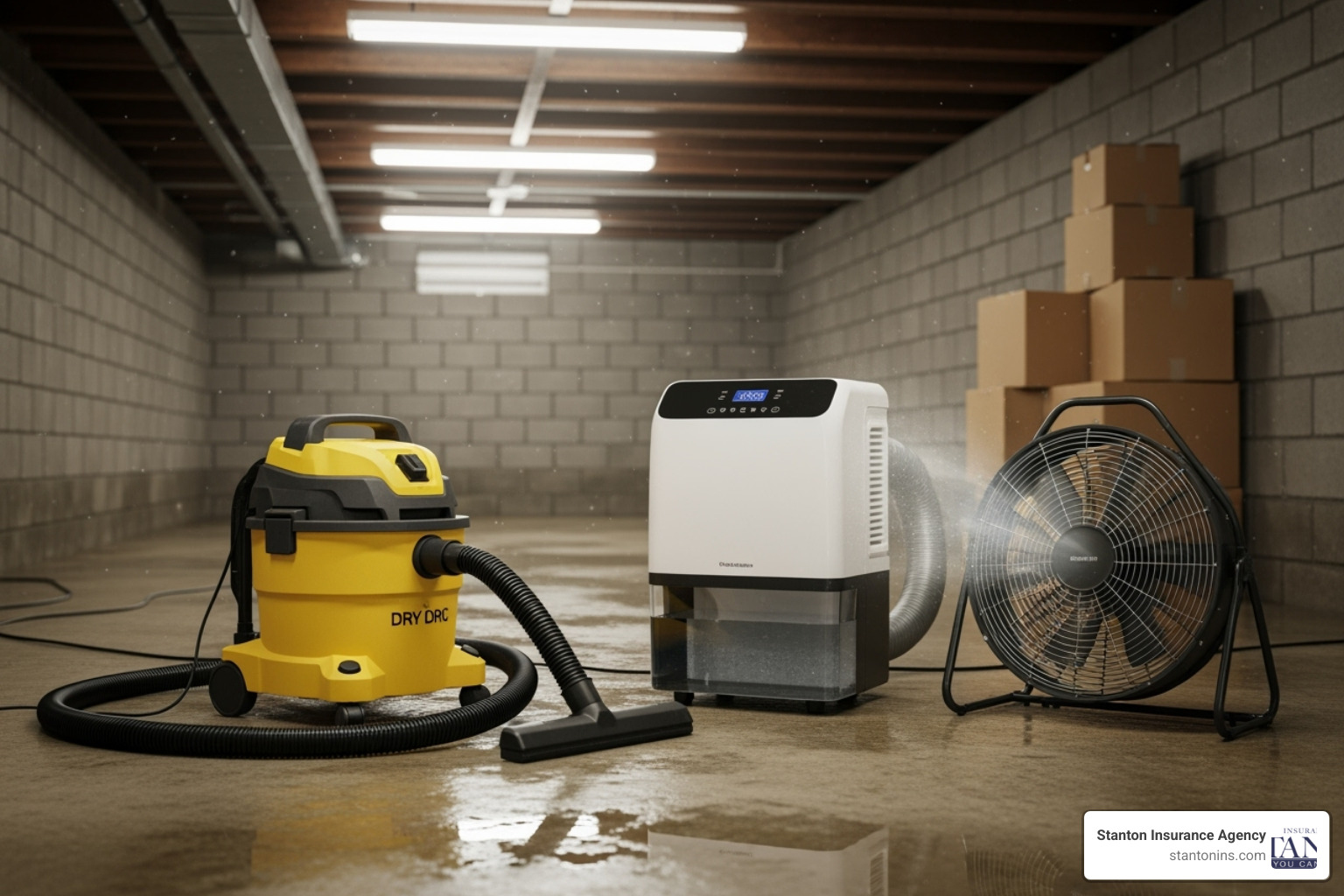
For deep flooding, gradual water removal is essential. The Environmental Protection Agency warns that removing water too quickly can cause foundation walls to collapse due to outside pressure. Aim to remove no more than one foot of water per day.
Wet carpet, padding, and drywall must be removed. Saturated drywall should be cut at least 12 inches above the high-water mark. Use wet/dry vacuums, dehumidifiers, and high-velocity fans to dry the area completely, aiming for a humidity level between 30% and 60%. Sanitize all surfaces that came into contact with floodwater to kill bacteria.
When to Call a Professional for Cleanup and Repairs
While some cleanup is DIY-friendly, certain situations require expert help. Call professionals for:
- Significant water depth (more than a few feet) or water reaching electrical outlets.
- Sewage contamination, which poses a serious health risk.
- Visible mold growth or suspected hidden mold.
- Electrical system damage that requires a licensed electrician.
- Foundation damage concerns that need evaluation by a structural engineer.
When hiring help, get multiple quotes from licensed, insured contractors and check their references.
The Financial Side: Costs and Insurance Coverage
Think of flood prevention not as an expense, but as an investment in your peace of mind. The cost to protect your basement from flooding is a fraction of the cost of repairs after a disaster.
Budgeting for Prevention: Typical Costs
Here are typical costs for prevention solutions in Massachusetts and New Hampshire. Just one inch of water can cause $25,000 in damages, putting these numbers in perspective.
| Solution | Average Cost Range | Notes |
|---|---|---|
| Professional Waterproofing | $3,000 – $8,000+ | Per 1,000 sq. ft. basement |
| Sump Pump Installation | $600 – $1,800 | Includes labor and materials |
| Foundation Crack Repair | $250 – $800 | Per crack, depending on severity |
| Interior French Drain | $4,000 – $12,000 | Depending on basement perimeter |
| Yard Grading | $1,000 – $3,000 | Depending on property size and slope |
Cost-effective DIY measures like cleaning gutters and sealing minor cracks can often be done for under $500.
Is Basement Flood Damage Covered by Insurance?
This is a critical question with a surprising answer for many: standard homeowners insurance does not cover flood damage.
Your policy typically covers sudden, internal water damage like a burst pipe. However, it excludes damage from water that enters from outside your home, such as from heavy rainfall, groundwater seepage, or storm surge. This is known as the overland flood damage exclusion.
To be covered for this type of event, you need a separate flood policy, usually through the National Flood Insurance Program (NFIP). It’s crucial to understand why Flood Insurance is Important. Additionally, a water backup coverage endorsement can be added to your homeowners policy to cover damage from sewer or drain backups.
Review your policy details annually with your agent to ensure you don’t have any coverage gaps.
Frequently Asked Questions about Basement Flood Prevention
Over years of helping Massachusetts and New Hampshire homeowners, we at Stanton Insurance Agency have heard the same questions repeatedly. Here are the answers to help you protect your basement from flooding.
What are the first signs my basement is at risk of flooding?
Your basement will often give early warnings. Look for a persistent musty or damp smell, which indicates excess moisture. Visible water stains on walls or floors, or peeling paint, are clear signs of past water intrusion. Another key indicator is efflorescence, a white, chalky powder on concrete or brick walls. This substance consists of mineral deposits left behind as water seeps through the masonry and evaporates. If you spot these signs, it’s time to inspect your foundation and drainage systems.
How often should I test my sump pump?
Test your sump pump at least once a year, ideally in the spring before heavy rains begin. Simply pour a bucket of water into the sump pit. The float should rise, the pump should turn on, and water should be discharged away from your home. This quick test confirms your pump is ready for an emergency. For extra peace of mind, consider testing it twice a year, in spring and fall.
Can I waterproof my basement myself?
Some tasks are DIY-friendly, while others require a professional. You can likely handle routine maintenance like cleaning gutters, applying waterproof sealant to walls, and sealing minor cracks with hydraulic cement. These actions are effective and help you monitor your home’s condition.
However, leave complex installations like sump pumps, French drains, or major foundation repairs to licensed professionals. These jobs involve plumbing, electrical, and structural work where mistakes can be costly and dangerous. The investment in professional installation is small compared to the risk of system failure or flood damage.
A Dry Basement is a Protected Investment
Your effort to protect basement from flooding is an ongoing commitment to safeguarding your home. It’s a multi-layered defense system where every component plays a vital role.
From clean gutters and proper yard grading outside to a reliable sump pump and sealed foundation inside, each step works to keep water at bay. While prevention has an upfront cost—from a few hundred dollars for DIY tasks to several thousand for professional waterproofing—it pales in comparison to the potential $25,000 in damages from a single inch of floodwater. This investment protects not just your property, but your peace of mind.
Even with the best physical defenses, a financial safety net is crucial. Standard homeowners insurance does not cover flooding from external sources, leaving a critical gap in your protection.
At Stanton Insurance Agency, we’ve helped countless Massachusetts and New Hampshire families create robust protection plans. Your home is your most valuable asset, and it deserves complete security.
Don’t wait for a storm to test your defenses. Contact our team at Stanton Insurance Agency today to review your current policy and explore comprehensive Personal Insurance/Flood Insurance options. We’ll help you build a financial safety net as strong as the physical barriers protecting your home.
