Install carbon monoxide detector: Essential Safety 2025
Why Protecting Your Home from Carbon Monoxide is Critical
Install carbon monoxide detector properly to protect your family from this silent killer. Here’s the essential information you need:
Quick Installation Guide:
- Where to install: On every level of your home, outside sleeping areas, and in basements
- Height: About 5 feet from the floor or at eye level on walls
- Avoid: Within 15 feet of fuel-burning appliances, bathrooms, kitchens, or near windows
- Testing: Press test button monthly and replace batteries annually
- Replacement: Replace entire unit every 5-10 years
Carbon monoxide is often called the “invisible killer” because it’s a colorless, odorless gas that can be deadly if it accumulates in your home. In Massachusetts alone, from 2017-2019, there were nearly 1,400 unintentional CO poisonings treated in hospitals, with incidents peaking during winter months when heating systems work hardest.
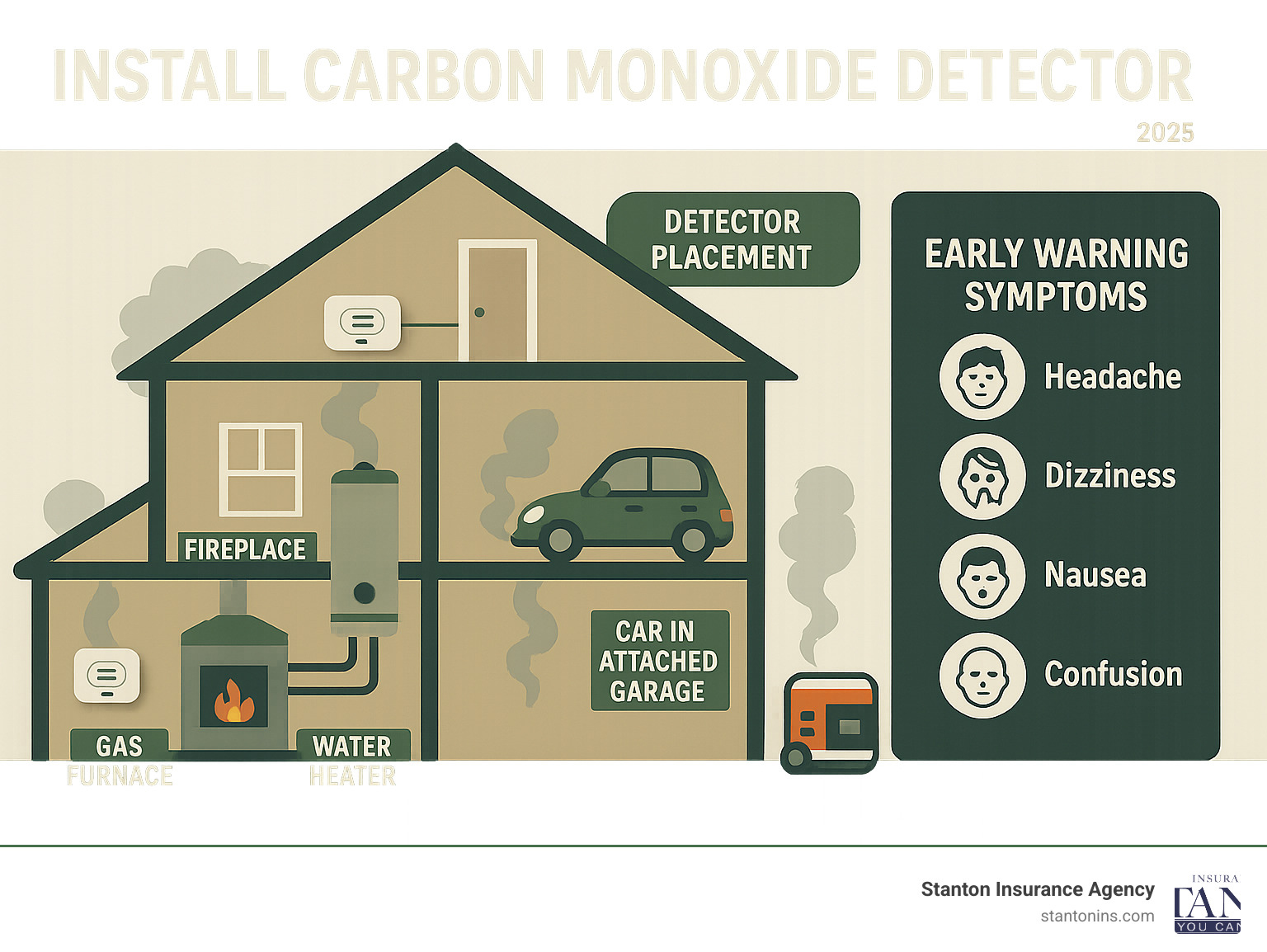
This dangerous gas comes from incomplete combustion of fuels like natural gas, oil, wood, and coal. Common sources include furnaces, water heaters, fireplaces, and even cars running in attached garages. Without proper detection, CO can build up to lethal levels before anyone notices symptoms like headaches, dizziness, or nausea.
The good news? Installing CO detectors is straightforward and can save lives. Modern detectors use advanced electrochemical sensors to detect even low levels of carbon monoxide, giving you and your family time to evacuate safely.
I’m Geoff Stanton, President of Stanton Insurance Agency, and I’ve helped countless Massachusetts and New Hampshire families protect their homes and assets for over two decades. Through my experience in the insurance industry, I’ve seen how proper safety measures like knowing how to install carbon monoxide detector systems can prevent tragic losses and give homeowners invaluable peace of mind.
Quick Install carbon monoxide detector definitions:
Why Every Home Needs a Carbon Monoxide Detector
Understanding why you need to install carbon monoxide detector systems starts with knowing the enemy. Carbon monoxide is an invisible threat—a colorless, odorless, and tasteless gas formed when fuels like gas, oil, wood, and coal don’t burn completely.
Statistics from the Centers for Disease Control and Prevention (CDC) paint a sobering picture. Hundreds of Americans die from unintentional CO poisoning annually. What’s particularly alarming is the timing—half of all incidents occur between November and February, peaking in December when heating systems run hardest.
To grasp the scope of the problem, consider this: in 2010 alone, U.S. fire departments responded to an estimated 80,100 non-fire CO incidents. That’s nine emergency calls every hour, all year long. These aren’t just statistics—they represent families facing a silent, deadly threat at home.
Common Sources and Symptoms of CO Poisoning
Carbon monoxide comes from appliances we use daily. When they malfunction or aren’t properly ventilated, they become potential killers.
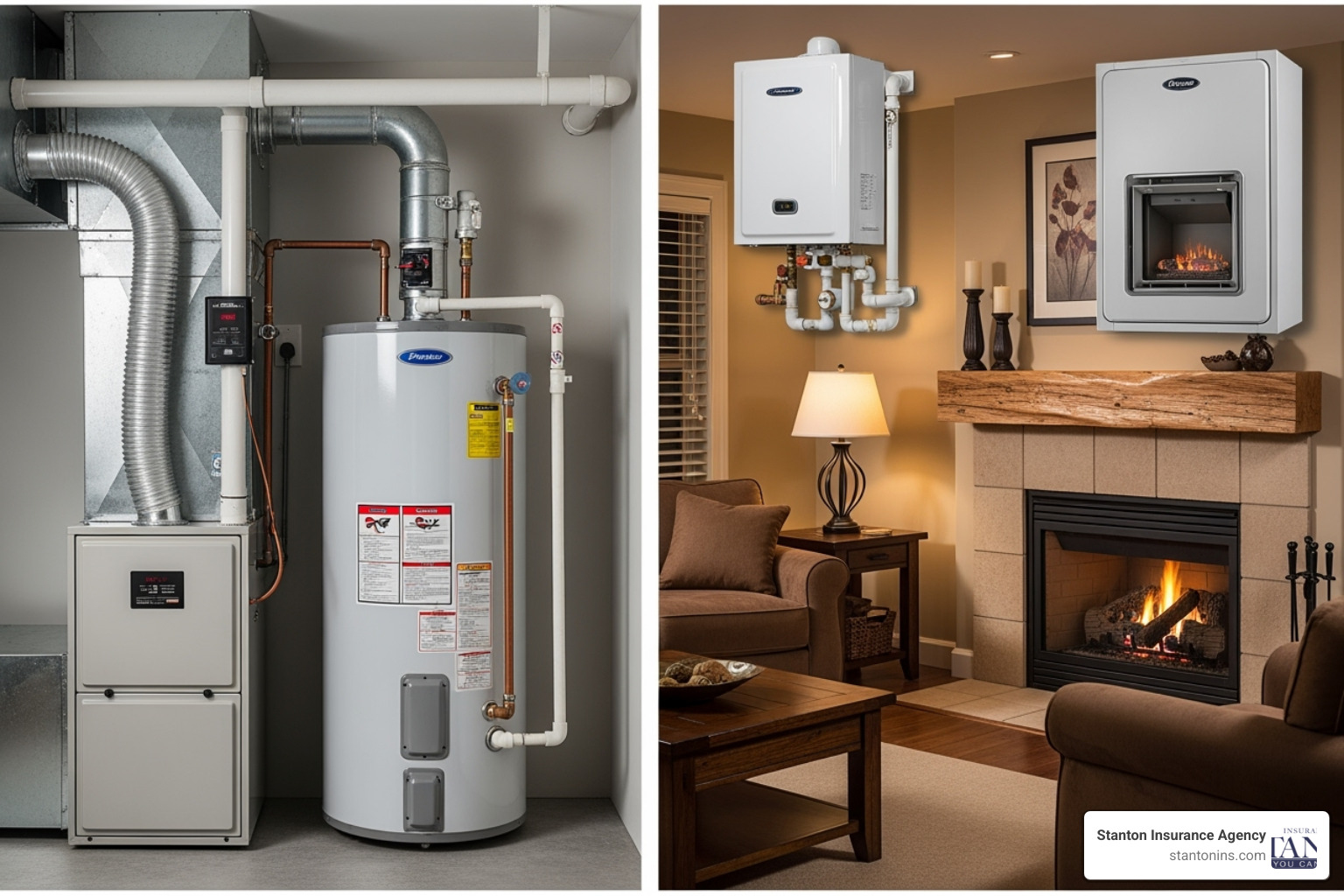
Your gas furnace is dangerous if its heat exchanger cracks or the flue is blocked. Your water heater can leak CO from venting problems. A blocked or poorly maintained chimney for your fireplace can trap deadly gases inside.
Your attached garage is a sneaky threat. Running a car for just a few minutes, even with the door open, can flood your home with lethal CO. Never run a vehicle inside a garage.
Portable generators are lifesavers during power outages but become CO death traps if used incorrectly. Always keep them outdoors and at least 15 feet from your home. The same goes for charcoal grills and lanterns—outdoor use only.
Even kitchen appliances can be a risk. Gas ranges and ovens with malfunctioning burners produce CO, and using them for heat is a recipe for disaster. Any fuel-burning appliance—from boilers to wood stoves to clothes dryers—can become a CO source without proper maintenance and ventilation.
What makes CO poisoning so insidious is how it masquerades as common illnesses. Early symptoms feel like the flu, food poisoning, or a bad cold. You might experience headaches, dizziness, nausea, confusion, fatigue, chest pain, or shortness of breath.
In severe cases, CO exposure leads to loss of consciousness, brain damage, or death. Babies, pregnant women, and people with existing health conditions are especially vulnerable. If multiple people in your household suddenly feel sick, or if you feel better when you leave home and worse when you return, consider CO exposure a real possibility. Get to fresh air immediately and seek medical attention.
You can learn more about CO poisoning symptoms from the CDC to better recognize the warning signs.
How CO Alarms Differ from Smoke Alarms
Here’s something that surprises many homeowners: smoke alarms and CO alarms are completely different devices designed to detect separate threats. Think of them as specialized guards, each watching for a specific danger.
Smoke alarms are fire detectors. They spot smoke particles using either ionization sensors (for flaming fires) or photoelectric sensors (for smoldering fires). Their job is to give you time to escape when fire breaks out.
CO alarms are gas detectors that hunt for invisible carbon monoxide using electrochemical sensors. These sensors react chemically to CO and sound an alarm when dangerous levels build up. Their mission is to catch this silent killer before it can harm your family.
Because they watch for different hazards, you absolutely need both types of protection. A smoke alarm won’t detect carbon monoxide, and a CO alarm won’t detect smoke—they aren’t interchangeable. Some manufacturers make combination units that handle both jobs, which can be convenient, but they still perform two distinct protective functions.
When you install carbon monoxide detector systems alongside your existing smoke alarms, you create a comprehensive safety net for your family. For more ways to keep your home safe, especially during heating season, check out our home heating safety tips.
Choosing and Where to Install Carbon Monoxide Detectors
Getting the right CO detector and placing it properly can mean the difference between life and death. The National Fire Protection Association (NFPA) has spent years studying home CO incidents to develop guidelines that really work. Not all detectors are created equal, and where you put them matters just as much as which one you buy.
Think of it this way: you wouldn’t put a smoke alarm inside your oven, right? The same logic applies to CO detectors – they need to be in the right spots to do their job effectively.
Types of Carbon Monoxide Detectors
When you’re ready to install carbon monoxide detector units in your home, you’ll encounter three main types, each with their own personality quirks. Let me walk you through what makes each one tick.
| Type | Pros | Cons |
|---|---|---|
| Battery-Powered | Easy installation anywhere, works during power outages, no wiring needed | Requires regular battery changes, can chirp at 3 AM when battery dies |
| Plug-In | Simple setup, often includes battery backup, no hardwiring | Placement limited by outlet locations, cord can be unplugged accidentally |
| Hardwired | Most reliable, interconnected alarms, permanent installation | Requires professional installation, more expensive upfront |
Battery-powered detectors are like the independent type – they work anywhere you put them and keep going even when the power goes out. The downside? They’re only as reliable as your memory for changing batteries. Pro tip: change them when you change your clocks for daylight saving time.
Plug-in models are the middle ground. They’re simple to set up and many come with battery backup, but you’re limited to spots near electrical outlets. Just make sure nobody accidentally unplugs them while vacuuming!
Hardwired detectors are the gold standard. When one goes off, they all go off throughout your home. If there’s CO in your basement while you’re sleeping upstairs, every detector will sound. They require professional installation, but for comprehensive protection, they’re worth every penny.
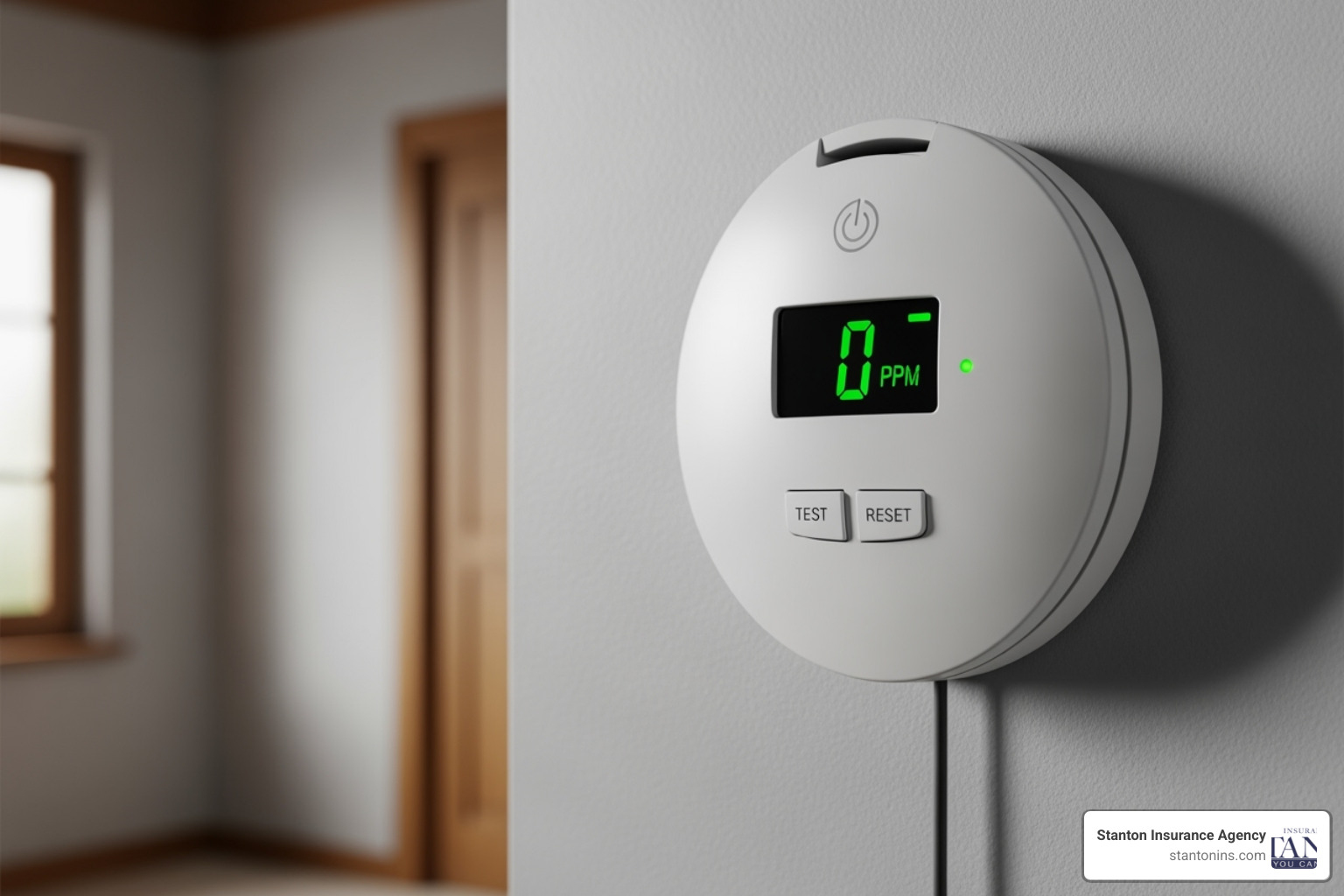
Most modern detectors use electrochemical sensors – these are incredibly sensitive and can detect CO levels well before they become dangerous. Look for units with digital displays that show actual CO levels, voice alerts that tell you exactly what’s happening, and smart features that can send alerts to your phone.
The Best Places to Install a Carbon Monoxide Detector
Here’s where strategy really matters. Carbon monoxide doesn’t follow the same rules as smoke – it mixes with air rather than rising, which changes everything about placement.
Every level of your home needs protection. CO doesn’t respect floor boundaries – it can start in your basement and work its way up, or enter through an attached garage and spread throughout your living space. Your basement is especially important since that’s where most fuel-burning appliances live.
Outside each sleeping area is absolutely critical. If CO builds up while you’re sleeping, that detector needs to wake you up in time to get out safely. Place them in hallways near bedrooms, and if your hallway is longer than 40 feet, put one at each end.
At the top of stairs helps catch CO as it moves between levels. Think of these spots as checkpoints that monitor CO as it travels through your home.
The sweet spot for height is about five feet from the floor or at eye level on walls. Since CO mixes evenly with air, this puts the detector right in your breathing zone. Some manufacturers design their units for ceiling mounting, so always check your specific model’s instructions first.
Your manufacturer’s instructions trump everything else. They know their detector better than anyone, and following their guidelines ensures optimal performance. The Official placement guidelines from the NFPA provide excellent backup guidance that’s worth reading.
Critical Locations to AVOID
Just as important as knowing where to put your detectors is knowing where NOT to put them. These spots can turn your life-saving device into a source of frustration through false alarms or poor performance.
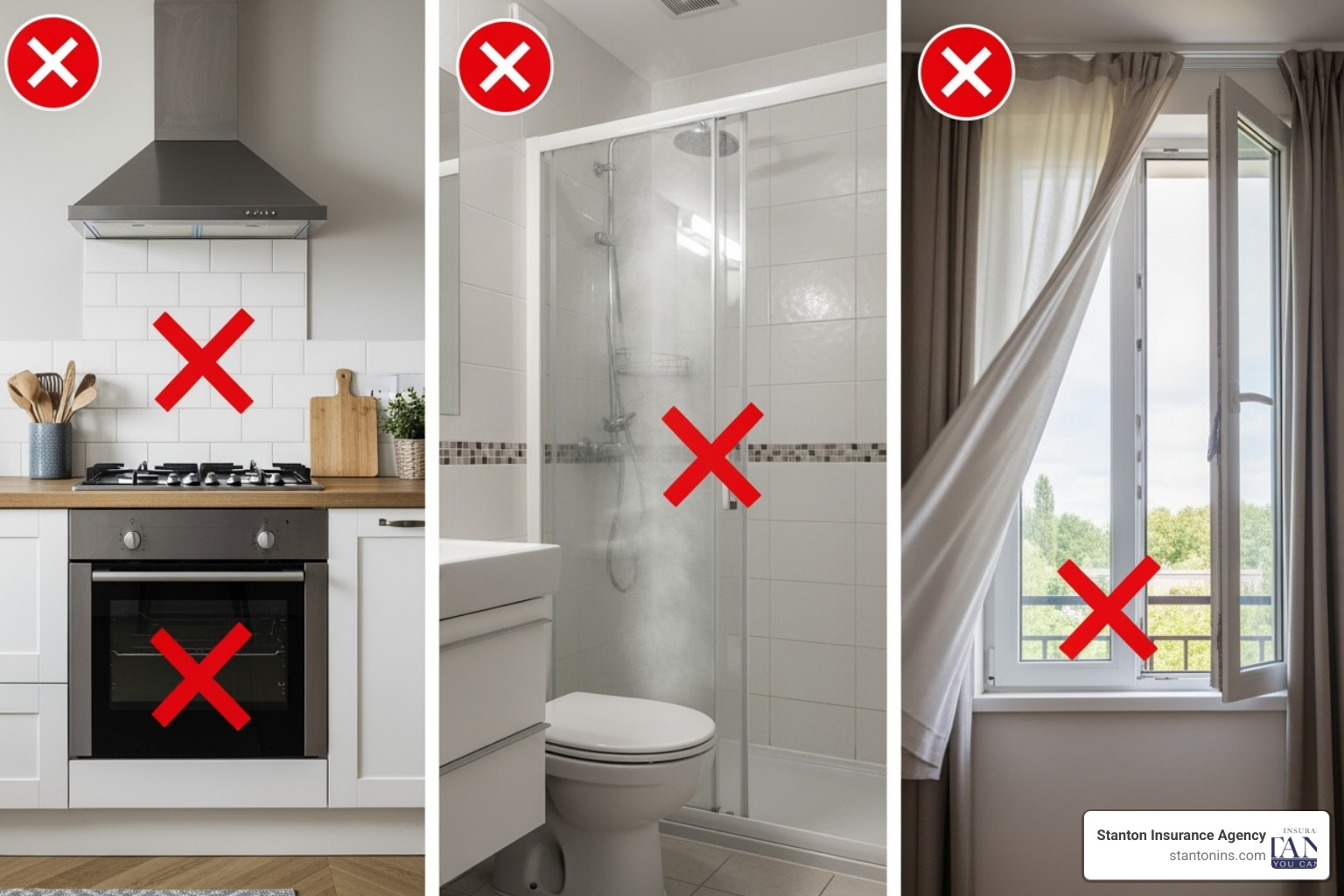
Keep detectors at least 15 feet away from fuel-burning appliances. Yes, these are CO sources, but they also produce small, normal amounts of CO during startup that can trigger false alarms. You want to catch dangerous levels, not normal operation.
Kitchens and bathrooms are trouble zones. Cooking fumes can confuse sensors, and bathroom humidity can damage delicate electronics. Garages present similar problems with temperature extremes, dust, and chemical fumes that can interfere with proper operation.
Windows, doors, and vents create air currents that can push CO away from your detector or dilute it before detection. Direct sunlight might seem harmless, but temperature extremes can throw off sensor accuracy and shorten your detector’s lifespan.
Dead air spaces like corners, behind furniture, or inside cabinets prevent proper air circulation. Your detector needs to “breathe” the same air you do to protect you effectively.
When you install carbon monoxide detector units properly, avoiding these problematic locations ensures your investment in safety pays off when it matters most. Your detector will give you accurate, timely warnings without the frustration of false alarms that might tempt you to disable this life-saving device.
Ongoing Maintenance and Emergency Preparedness
Installation is just the first step. Regular maintenance ensures your detectors are always ready to protect you, and having a clear plan for when an alarm sounds can save lives. In Massachusetts and New Hampshire, specific regulations also apply, particularly for landlords.
How to Test and Maintain Your Alarms
Once you install carbon monoxide detector systems in your home, the real work begins. Think of your CO detectors like smoke alarms or security systems—they need regular attention to keep your family safe. The good news is that maintenance is straightforward and takes just a few minutes each month.
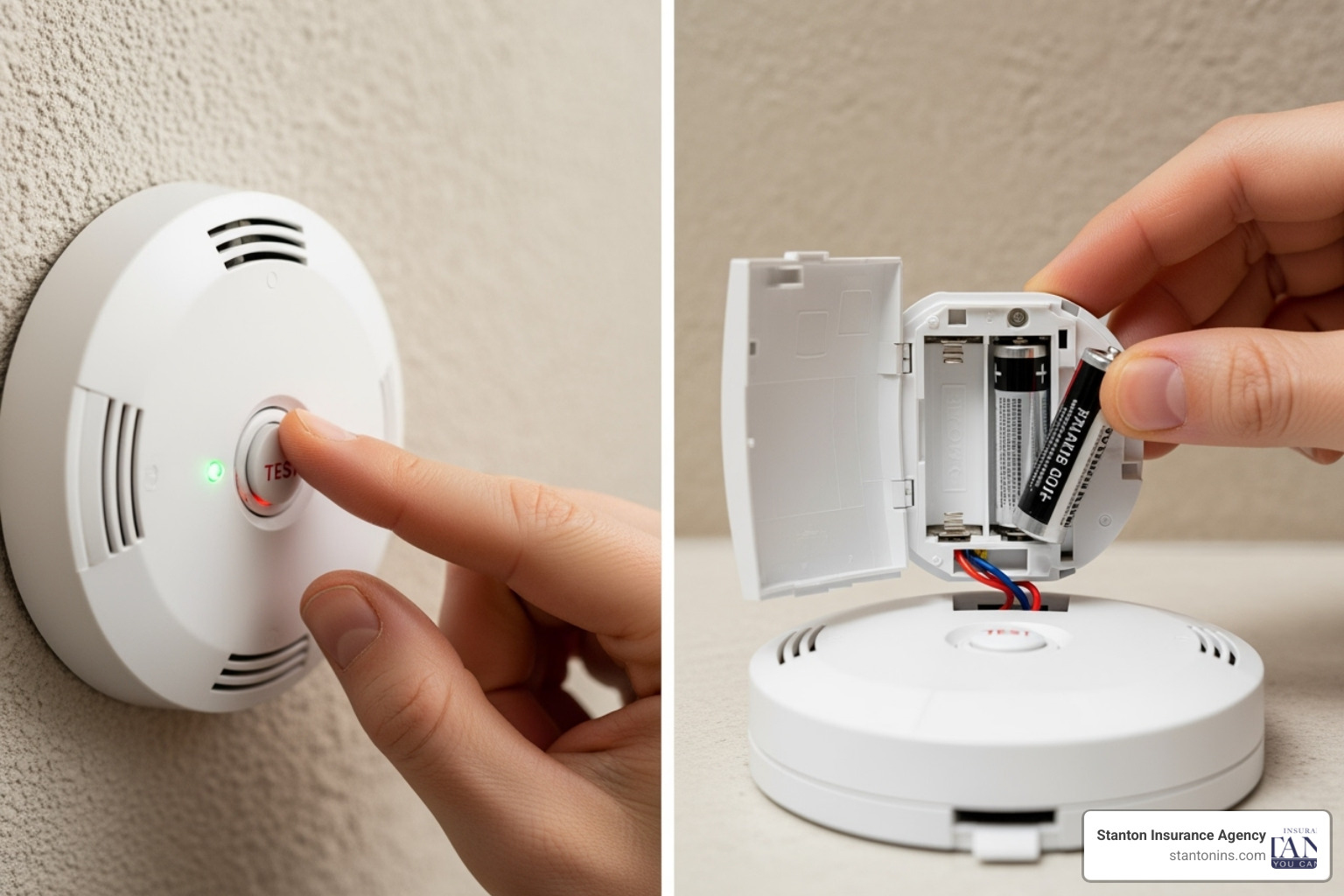
Monthly testing is your most important habit. Every CO detector has a test button—usually marked clearly on the front. Press and hold it until you hear the alarm sound. This simple action confirms both the battery and alarm are working properly. I recommend picking the same day each month, like the first Saturday, so you never forget.
Battery replacement depends on your detector type. If you have battery-powered units with replaceable 9-volt or AA batteries, change them at least once a year. Many families do this when daylight saving time starts or ends—it’s an easy way to remember. Units with 10-year sealed batteries don’t need battery changes, but you’ll replace the entire detector after a decade.
Cleaning your detectors prevents false alarms and ensures proper operation. Dust and debris can block sensors or air vents, making your detector less effective. Once a year, gently vacuum around the unit or wipe it with a dry cloth. Never use water, cleaning sprays, or chemicals—they can damage the sensitive sensors inside.
Here’s something many homeowners don’t realize: CO detectors expire. The sensors inside gradually lose their ability to detect carbon monoxide accurately. Most manufacturers recommend replacing the entire unit every 5 to 10 years, depending on the model. Check the back of your detector or the manual for the specific replacement date. If you can’t find this information, assume 5 to 7 years to be safe.
I suggest keeping a simple maintenance log—even just dates written on a piece of paper taped inside a kitchen cabinet. Note when each detector was installed, when batteries were last changed, and when replacement is due. Some families write the installation date directly on the back of the unit with a permanent marker.
What to Do if Your CO Alarm Sounds
This is the moment we hope never happens, but preparation can save lives. When a CO alarm sounds, every second matters. Carbon monoxide can quickly reach dangerous levels, so your response needs to be immediate and decisive.
Get everyone outside to fresh air immediately. Don’t stop to investigate the source, gather belongings, or check other detectors. Wake sleeping family members, call for pets, and head straight for the nearest exit. Fresh air is your first priority—carbon monoxide poisoning symptoms can worsen quickly in an enclosed space.
Call 911 from a safe location once everyone is outside and accounted for. Use your cell phone or ask a neighbor to call. Tell the dispatcher that your carbon monoxide alarm is sounding and that you’ve evacuated. Emergency responders have specialized equipment to measure CO levels and identify the source of the problem.
Stay outside until professionals give the all-clear. I know it’s tempting to go back inside, especially in cold weather, but resist this urge. The fire department will use professional-grade CO meters to test air quality throughout your home. They’ll also help identify what caused the leak—whether it’s a malfunctioning furnace, blocked chimney, or another issue.
Having a family evacuation plan makes this process smoother and faster. Practice your escape route just like you would for a fire. Make sure everyone knows where to meet outside and how to account for all family members, including pets. You can adapt the principles from our guide on how to develop a home fire escape plan for CO emergencies.
CO alarms are designed to sound before levels become immediately life-threatening, but that window can be short. Trust your detector and act quickly.
Landlord and Tenant Responsibilities in MA & NH
Both Massachusetts and New Hampshire have specific laws about carbon monoxide detection in rental properties. Understanding these requirements helps ensure everyone’s safety and legal compliance.
Landlords have significant responsibilities when it comes to CO protection. In Massachusetts, landlords must install and maintain carbon monoxide alarms in any dwelling unit with fuel-burning equipment or an attached garage. This includes properties with gas furnaces, water heaters, fireplaces, or gas stoves. New Hampshire has similar requirements for rental properties.
Beyond installation, landlords are typically responsible for ensuring alarms work properly at the start of each tenancy. This often includes replacing batteries, testing units, and replacing expired detectors. Many landlords schedule annual inspections to check both the CO alarms and the fuel-burning appliances that could create CO hazards.
Tenants also have important duties in keeping everyone safe. If your CO alarm starts chirping (indicating low battery or malfunction), notify your landlord immediately. Never remove batteries or disable a detector, even if you think it’s causing false alarms—this puts everyone in the building at risk.
Some lease agreements specify whether tenants or landlords handle battery replacement during the tenancy. If this isn’t clear in your lease, ask your landlord to clarify. Generally, landlords prefer to handle all maintenance to ensure it’s done correctly.
Both landlords and tenants should familiarize themselves with their state’s specific requirements. You can find detailed information through Massachusetts CO alarm requirements and New Hampshire CO alarm requirements.
These regulations exist because carbon monoxide doesn’t respect property lines—a CO leak in one unit can affect neighboring apartments or condos. Working together, landlords and tenants create safer living environments for entire communities.
Frequently Asked Questions about Carbon Monoxide Detector Installation
We understand that when it comes to protecting your family, you want to get every detail right. After helping countless Massachusetts and New Hampshire homeowners with their safety needs, I’ve heard just about every question you can imagine about how to install carbon monoxide detector systems. Let me share the answers to the most common ones.
How high off the floor should I install a carbon monoxide detector?
Here’s something that surprises many homeowners: carbon monoxide doesn’t behave like smoke. While smoke rises with heat, CO has a similar density to the air we breathe, which means it mixes freely throughout a room rather than floating up to the ceiling.
Most manufacturers and safety experts, including the Environmental Protection Agency (EPA), recommend installing CO detectors on a wall about five feet from the floor, or at eye level. This placement puts the detector right in what we call the “breathable air zone” – exactly where you and your family are most likely to encounter dangerous CO levels.
That said, your specific detector might have different requirements. Some newer models or combination smoke/CO units are designed for ceiling placement. Always check your manufacturer’s instructions first – they know their product best and have tested it for optimal performance.
Do I need a CO detector in an all-electric home?
This is one of the most common misconceptions I encounter, and the answer might surprise you: Yes, you absolutely need a CO detector even in an all-electric home.
While having electric heating, water heater, and cooking appliances does reduce your risk, it doesn’t eliminate it entirely. Carbon monoxide can still find its way into your home from several sources. Your attached garage is probably the biggest concern – even running your car for just a few minutes can produce dangerous CO levels that seep into your living space.
During power outages, portable generators become a major risk if they’re placed too close to your home or used indoors. I’ve seen too many families make this dangerous mistake during storms. Fuel-burning tools like propane heaters or charcoal grills can also create problems if used improperly near your home.
In multi-family buildings, a neighbor’s malfunctioning appliance or blocked chimney could cause CO to back up into your unit. Even if you heat with electricity, you might still have a wood-burning fireplace that could produce CO if the flue becomes blocked.
The bottom line? An all-electric home is safer, but it’s not risk-free. We always recommend having CO detectors regardless of your home’s energy source.
What does it mean if my CO detector is chirping?
Understanding what your CO detector is trying to tell you can literally be a matter of life and death. There’s a crucial difference between the sounds it makes, and knowing this difference is essential.
A continuous, loud alarm means dangerous levels of carbon monoxide have been detected. This is an emergency – get everyone out of the house immediately and call 911 from a safe location outside.
A single, intermittent “chirp” every 30-60 seconds is different and typically means one of three things. Most commonly, it’s telling you the battery is low and needs to be replaced. This is your detector’s way of asking for help before it can’t protect you anymore.
Sometimes, that chirp indicates a malfunction in the unit itself, meaning it’s not working correctly and needs to be replaced. Less commonly, but just as importantly, it could signal that the detector has reached its end-of-life. Most CO detectors last 5-10 years, and many models will chirp to let you know they need to be replaced entirely.
Never ignore a chirping detector. It’s trying to communicate something important about its ability to protect your family. Always refer to your owner’s manual to understand the specific beep patterns for your device, as they can vary by manufacturer and model. When in doubt, replace the batteries first – if it keeps chirping, it’s time for a new detector.
These questions come up so often because protecting your family from carbon monoxide requires attention to detail. But don’t let that overwhelm you – with the right information and regular maintenance, your CO detectors will provide reliable, life-saving protection for years to come.
Secure Your Home, Secure Your Peace of Mind
Properly installing and maintaining carbon monoxide detectors is a simple, yet vital, step in safeguarding your family and home. It provides an essential layer of protection against an invisible threat, working 24/7 to keep you safe. We hope this guide has empowered you with the knowledge needed to install carbon monoxide detector systems confidently and maintain them diligently.
Think of CO detectors as silent guardians in your home. While you sleep, work, or spend time with family, they’re constantly monitoring the air you breathe. They never take a break, never get distracted, and never fail to sound the alarm when danger is present. That kind of reliable protection is invaluable for your peace of mind.
But protecting your home goes beyond installing safety devices. Just as a CO detector shields you from an unseen gas that could harm your family, comprehensive homeowner’s insurance protects your most valuable asset from unexpected damages and liabilities that could devastate your finances.
At Stanton Insurance Agency, we understand that your home represents more than just a building—it’s where your family creates memories, where you feel safe and secure, and likely your largest financial investment. That’s why we’re passionate about helping Massachusetts and New Hampshire families ensure they have the right coverage for whatever life brings their way.
Our team takes the time to review your current policy and identify any gaps that could leave you vulnerable. Whether it’s damage from a storm, a kitchen fire, or liability issues, we want to make sure you’re protected. We’re not just selling insurance; we’re providing trusted protection that lets you focus on what matters most—your family.
Don’t leave your home’s protection to chance. Just as you wouldn’t skip installing CO detectors, don’t overlook the importance of proper insurance coverage. Learn more about homeowner’s insurance and find how Stanton Insurance Agency can help secure your peace of mind today.