
Cyber Risk Liability Insurance: What It Is and Why Every Business Needs It
Cyber risk liability insurance is a specialized policy that helps businesses recover financially after a cyberattack, data breach, or network security failure — covering costs like data recovery, legal fees, regulatory fines, customer notifications, and lost income.
Quick answer: What does cyber risk liability insurance cover?
| Coverage Type | What It Pays For |
|---|---|
| Data recovery | Restoring lost or stolen business data |
| Business interruption | Lost income while systems are down |
| Legal defense | Attorney fees and lawsuit settlements |
| Regulatory fines | Penalties from government investigations |
| Crisis management | PR costs and customer notifications |
| Cyber extortion | Ransomware response and negotiation |
It is not the same as general liability insurance, which only covers physical harm or property damage — not digital threats.
The numbers behind cybercrime are hard to ignore. The average cost of a data breach hit $4.88 million in 2024. Over 52% of cybercrime targets are small and midsized businesses — not just big corporations. And with more than 100 new software vulnerabilities discovered every single day, the odds of your business facing a cyber incident are rising, not falling.
One breach can mean months of disruption, six-figure recovery bills, and lasting damage to customer trust. For most small businesses, that is not a recoverable situation without the right coverage in place.
I’m Geoff Stanton, President of Stanton Insurance Agency and a Certified Insurance Counselor (CIC) with over two decades of experience helping Massachusetts businesses find the right commercial coverage — including cyber risk liability insurance for companies that handle sensitive customer data. In the sections below, I’ll walk you through exactly how this coverage works and what to look for in a policy.
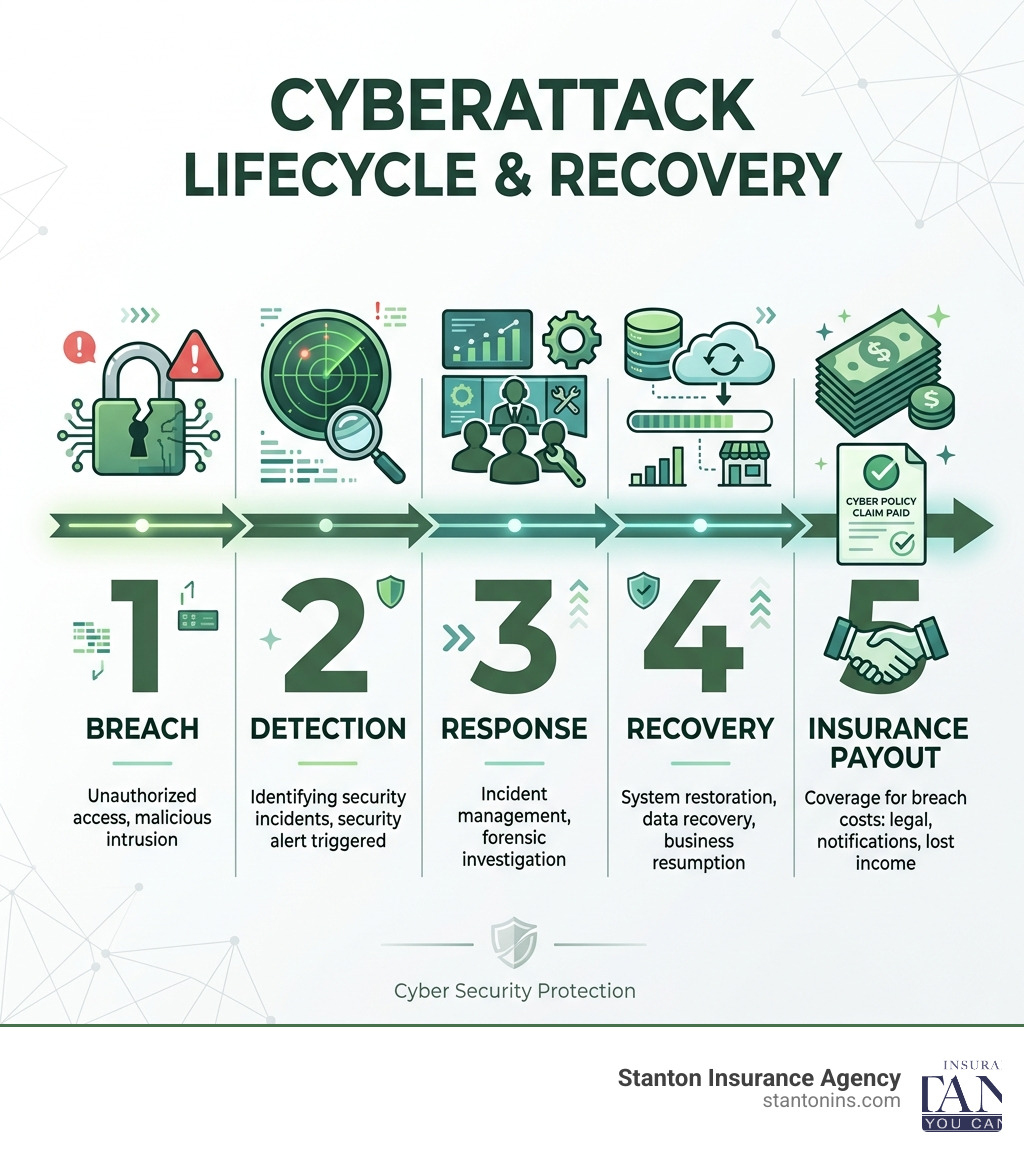
Know your cyber risk liability insurance terms:
- what is cyber liability insurance
- what does cyber liability insurance cover
- how much is cyber liability insurance
What is Cyber Risk Liability Insurance?
At its core, cyber risk liability insurance is a financial safety net designed to protect your business from the fallout of digital threats. While your standard property insurance covers the laptop if it’s stolen, it doesn’t cover the value of the data inside it or the lawsuits that follow if that data is leaked.
Cyber insurance bridges this gap. It focuses on protecting your digital assets—the information, software, and network systems that keep your doors open. Information governance is just as important as locking your front door. Whether you are a local shop in New Hampshire or a tech firm in Massachusetts, if you store customer names, emails, or credit card numbers, you have a “digital target” on your back.
This coverage provides the financial resources to handle a crisis. It isn’t just about paying a bill; it’s about gaining access to a team of experts—forensic investigators, specialized lawyers, and PR consultants—who know how to navigate the messy aftermath of a breach. You can learn more about the fundamentals in our guide on what is cyber liability insurance. For a broader look at how these protections are structured, you can also review this Cyber Liability Protection Overview.
Understanding First-Party Cyber Risk Liability Insurance
When we talk about “first-party” coverage, we are talking about your own direct losses. Imagine arriving at your office on a Monday morning only to find your screens locked with a message demanding Bitcoin. This is where first-party coverage kicks in.
Key components usually include:
- Data Recovery: The cost to hire experts to restore your lost or encrypted data.
- Business Interruption: If a cyberattack knocks your systems offline for a week, this covers the income you lost during that downtime.
- Forensic Investigation: Specialized “digital detectives” determine how the hackers got in and what they took.
- Cyber Extortion: Assistance with ransomware demands, including the cost of negotiators.
For a deeper dive into how these specific protections shield your bottom line, check out our resource on cyber liability and data breach insurance.
Third-Party Cyber Risk Liability Insurance Coverage
While first-party coverage handles your bills, third-party coverage handles the bills from everyone else. If your customers’ private data is stolen from your servers, they (or the government) might decide to hold you responsible.
Third-party coverage typically includes:
- Legal Defense: Paying for attorneys to defend you in court.
- Regulatory Fines: Helping cover penalties from state or federal agencies for failing to protect data.
- Settlement Costs: The money paid out if a judge or mediator decides you owe damages to affected parties.
- Media Liability: Protection if your digital presence (like a website or blog) accidentally results in claims of defamation or copyright infringement.
Understanding the full scope of these protections is vital for any modern business owner. You can see a complete breakdown of what does cyber liability insurance cover on our dedicated service page.
Why Your Business Needs Protection Now
If you think your business is “too small to hack,” the data suggests otherwise. Hackers often prefer small businesses because they typically have weaker security than a global bank but still hold valuable data.
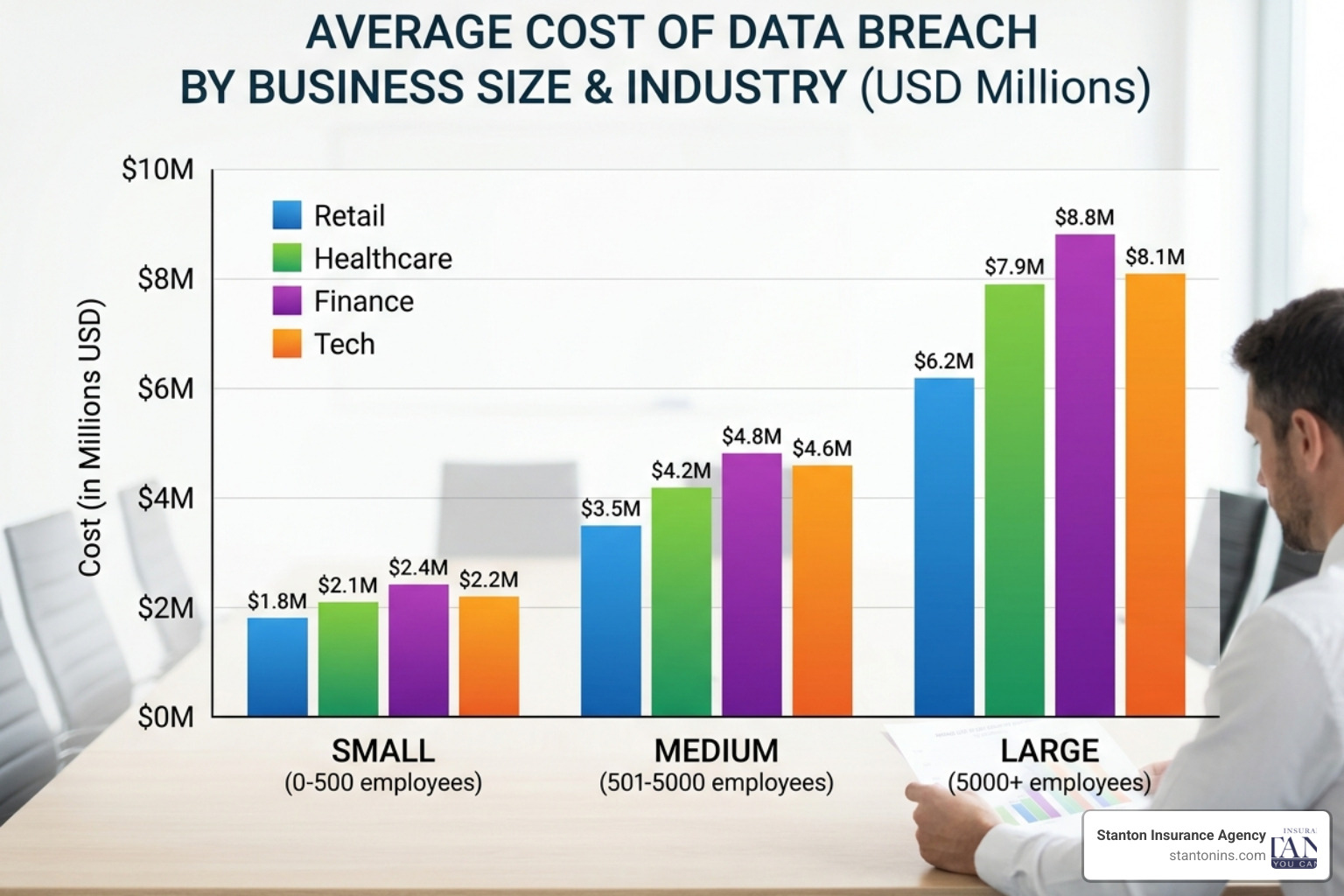
The reality is stark:
- 52% of cybercrime targets are Small and Midsized Enterprises (SMEs).
- Average cost of a data breach in 2024 is $4.88 million.
- There are over 274,000 registered Common Vulnerabilities and Exposures (CVEs), with 100+ new ones added every single day.
Consider the 2011 Sony PlayStation Network breach. It affected 77 million users and cost the company over $171 million. While your business might not be Sony, the proportional impact of a $50,000 or $100,000 breach on a local Massachusetts contractor or New Hampshire retailer can be just as devastating. Many small businesses never reopen their doors after a major incident. This is exactly why do i need cyber liability insurance—it is the difference between a temporary setback and a permanent closure.
Ransomware and Extortion Risks
Ransomware is the “bogeyman” of the digital age. It involves malware that encrypts your files, making them unreadable until you pay a ransom. These attacks are no longer just random; they are sophisticated operations backed by threat intelligence.
A good cyber risk liability insurance policy doesn’t just provide money for the ransom (if deemed necessary); it provides a roadmap. It connects you with experts who can determine if the hackers can actually be trusted to provide the decryption key and ensures you aren’t violating any laws by making a payment. You can explore how we help businesses navigate these threats in our section on ransomware insurance.
Industry-Specific Vulnerabilities
Not all risks are created equal. Depending on what you do, your “data profile” changes:
- Healthcare: You handle Protected Health Information (PHI), which is highly regulated and incredibly valuable on the dark web.
- Retail: You handle Personally Identifiable Information (PII) and credit card data, making you a prime target for “skimming” attacks.
- Technology Companies: Your clients rely on your software or services to stay online. If your system fails, their business stops.
Whether you’re looking for cyber insurance for technology companies or wondering do therapist need cyber liability insurance, the answer is almost always a resounding yes. If you handle a single Social Security number or medical record, you have a liability.
Determining the Cost of Cyber Risk Liability Insurance
We often get asked, “How much is this going to set me back?” The truth is that the cost of cyber liability insurance varies based on your specific risk profile. Insurers don’t just pull a number out of a hat; they look at several factors to determine your premium.
Factors Influencing Your Premium
- Annual Revenue: Generally, the more money you make, the more you have to lose, and the more attractive you are to hackers.
- Industry Type: High-risk industries (like healthcare or finance) pay more than low-risk ones (like a local landscaping company).
- Data Sensitivity: Storing 10,000 credit card numbers is riskier than storing 10,000 email addresses for a newsletter.
- Security Measures: If you have “screen doors” for security, you’ll pay more than if you have “vault doors.”
| Industry Risk Level | Typical Premium Factors |
|---|---|
| Low Risk (e.g., Local Retail, Trades) | Lower volume of PII, basic web presence, smaller revenue. |
| High Risk (e.g., Healthcare, FinTech) | Large volumes of PHI/PII, high reliance on 24/7 uptime, heavy regulation. |
Qualifying for Better Rates
The good news is that you have some control over your costs. Insurance companies love “low-risk” clients. By implementing cyber risk liability insurance best practices, you can often secure lower premiums and better coverage terms.
Key steps to take:
- Multi-Factor Authentication (MFA): This is the single most important thing you can do. Most insurers now require MFA just to give you a quote.
- Encryption: Ensure your data is unreadable if it is stolen.
- Employee Training: Most breaches start with a human clicking a bad link. Regular training can significantly reduce your risk.
- Security Audits: Regularly testing your defenses shows insurers you are proactive.
Understanding how much cyber liability insurance do i need starts with an honest assessment of your current cyber security posture.
Common Exclusions and Limitations
No insurance policy covers everything. It is vital to understand what does cyber insurance not cover so you aren’t surprised during a claim.
Common exclusions include:
- Property Damage: If a hacker causes your server to overheat and catch fire, the physical server is usually covered by property insurance, not cyber insurance.
- Intellectual Property (IP) Loss: While the policy covers the breach, it rarely covers the future lost value of a stolen patent or trade secret.
- Prior Knowledge: You cannot buy insurance for a breach you already know about.
- System Upgrades: The policy will pay to restore your system to its previous state, but it won’t pay to buy you a brand-new, better system.
Many people also wonder, does professional liability insurance cover cyber? Usually, the answer is no. Professional liability (Errors & Omissions) covers mistakes in your work, while cyber insurance covers the failure of your network security.
Intentional Acts and Internal Threats
What happens if the “bad guy” is already inside? Internal threats are a major concern for businesses in Massachusetts and New Hampshire.
Most policies exclude:
- Rogue Administrators: If a disgruntled IT staffer intentionally deletes your database, coverage can be tricky depending on the policy wording.
- Fraudulent Acts by Owners: You can’t intentionally cause a breach to collect insurance money.
However, many owners ask, does cyber liability insurance cover theft by employees? This often requires a specific endorsement or a separate “Crime Policy” to be fully covered. We can help you look at your cyber liability insurance policy to ensure there are no gaps between your cyber and crime coverages.
Frequently Asked Questions about Cyber Insurance
Does general liability insurance cover cyber attacks?
No. General liability typically covers physical losses like bodily injury and property damage. For example, if a customer slips and falls in your office, that’s general liability. If a customer’s data is stolen from your computer, that is a digital injury, and general liability almost always excludes it.
Do small businesses really need cyber insurance?
Yes. In fact, they might need it more than large corporations. While a giant tech firm has millions in the bank to weather a storm, a $50,000 ransomware demand or a $100,000 forensic bill can bankrupt a small business. Since 52% of cybercrime targets are SMEs, the risk is very real. Whether you are using Shopify or running a local small business, you are at risk.
Is cyber insurance a substitute for IT security?
Absolutely not. Think of it this way: a seatbelt doesn’t mean you should drive into a wall. Cyber insurance is a risk transfer tool that complements your defenses. Most insurance providers won’t even write a policy for you if you don’t have basic protections like MFA and firewalls in place.
Conclusion
“Oops” is a very expensive word. At Stanton Insurance Agency, we believe that your hard work deserves to be protected by more than just luck. As a local agency serving Massachusetts and New Hampshire, we understand the unique challenges our business community faces.
We don’t just sell policies; we provide peace of mind. Our goal is to ensure that if the unthinkable happens, you have the financial resources and the expert team needed to get back to work quickly. Your business is one of your most valuable assets—let’s make sure it’s protected from every angle.
Secure your business with Stanton Insurance Agency today. Whether you have questions about a new policy or want us to review your current coverage, we are here to help. Reach out to us for a personalized quote and let’s build a security strategy that actually works.
