What Is Loss Assessment Coverage for Condo Owners?
Loss assessment coverage pays your share of a condo association assessment for a covered loss. Here is what triggers one and how to choose…
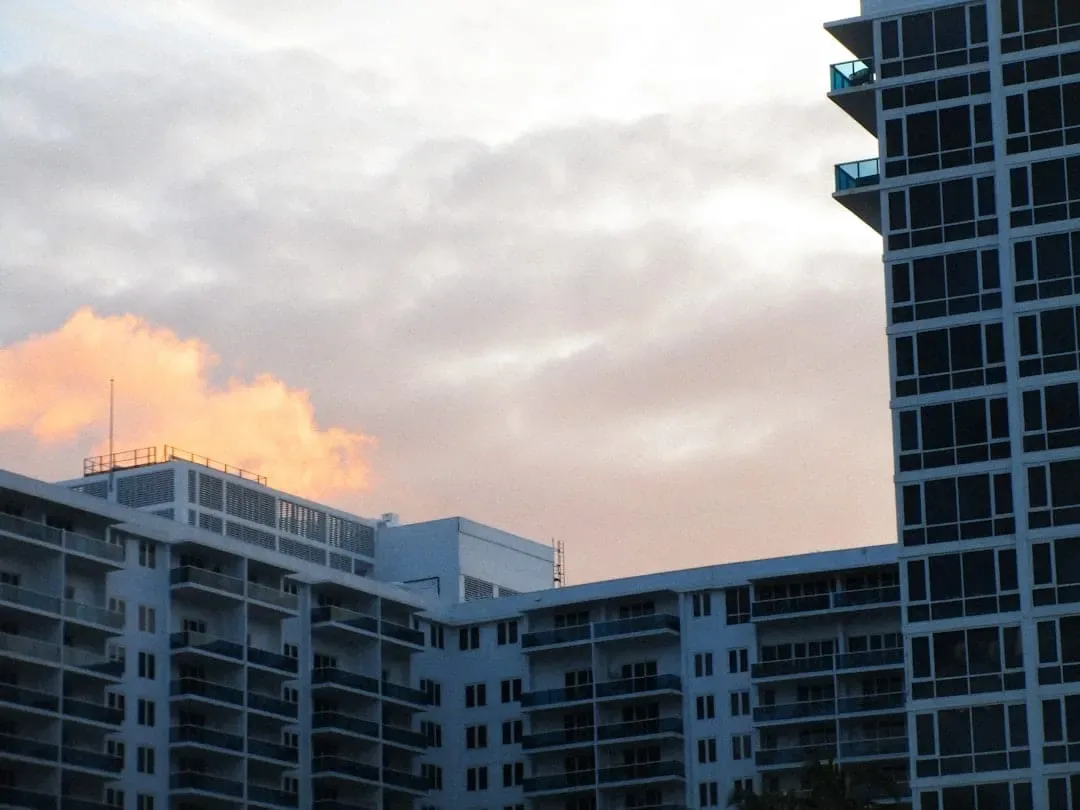
Condo master insurance is the policy a condominium association buys to cover the building and the shared parts of the property. Every unit owner pays for it through their condo fees, yet few owners ever read it. That matters, because the master policy decides where the association's responsibility ends and yours begins. Read on for what a master policy usually covers, the main types, how the master deductible can land on an owner, and what to ask your association for.
In Massachusetts, condominiums are created under Chapter 183A of the General Laws. Each condo's master deed and bylaws define what is a unit and what is a common area, and they usually require the association to insure the common areas and the building. The board of trustees or managers buys the master policy, often through the property management company, and the cost is built into the budget that sets your monthly fee.
Because every condo's documents are different, two buildings on the same street can have very different master policies. The documents decide, not the general rules in an article like this one.
The association's general liability covers injuries in the common areas, such as a visitor who falls on an icy shared walkway. It does not cover an owner's personal liability inside their own unit.
Associations often carry more than one policy. Common additions include directors and officers liability for the board's decisions, fidelity or crime coverage for the association's funds, an umbrella over the general liability, equipment breakdown, and workers' compensation if the association has employees. Flood is separate and is not part of a standard master policy.
Master policies are often described by how far into each unit they reach. The terms vary, but the three common styles are:
If you renovated your kitchen or bathroom, those upgrades may be your responsibility even under an original specifications policy. The unit owner's policy covers them under a part often called building property or improvements and betterments.
Master policies often carry a sizable deductible. When a loss starts in one unit, for example a washing machine hose that floods the units below, many bylaws allow the association to pass all or part of that deductible to the owner of the unit where the loss began. Read the deductible section of your bylaws, and the declarations page of the master policy, to see how your association handles it.
A unit owner's policy can help in two ways. Coverage for the building property in your unit can pay for repairs that fall below the master deductible, and loss assessment coverage can pay your share of an association assessment after a covered loss. Our article on loss assessment coverage explains how that works.
If a major loss exceeds the master policy's limits, or is excluded, the association may levy a special assessment on every owner. Loss assessment coverage on a unit owner's policy can help with assessments that result from a covered cause of loss, up to the limit you choose. It generally does not pay for assessments for routine repairs or upgrades the association decides to make.
Under almost every master policy, the unit owner still needs their own policy, usually called an HO-6, for:
For the full answer to whether you need your own policy, see do condos need homeowners insurance. For choosing limits, see how much condo insurance you need.
Many mortgage lenders also ask for the master policy certificate at closing, so the property manager is used to sending it.
No. Personal belongings are the owner's responsibility under virtually every master policy.
It depends on the cause, the bylaws and the master deductible. The master policy may handle building damage above the deductible, while your own policy may respond to your share and to your liability. Our article on condo water damage goes through common scenarios.
Yes. Our commercial lines team works with property and liability coverage, including directors and officers liability.
Stanton Insurance Agency is an independent agency in Waltham. Send us your bylaws and the master policy certificate, and we will show you where the association's coverage ends and compare unit owner policies from several carriers to fill the rest. Learn more about our condo insurance, call 781-893-3200, or request a condo quote.
Loss assessment coverage pays your share of a condo association assessment for a covered loss. Here is what triggers one and how to choose…
Keep water out of the basement with better drainage, a backed-up sump pump and a backwater valve, then check which policy pays for which…
Massachusetts requires carbon monoxide alarms in most homes. Here is where to install them, which types to choose, how to maintain them, and how…
Our Waltham agents compare policies from several carriers and explain the differences in plain terms.