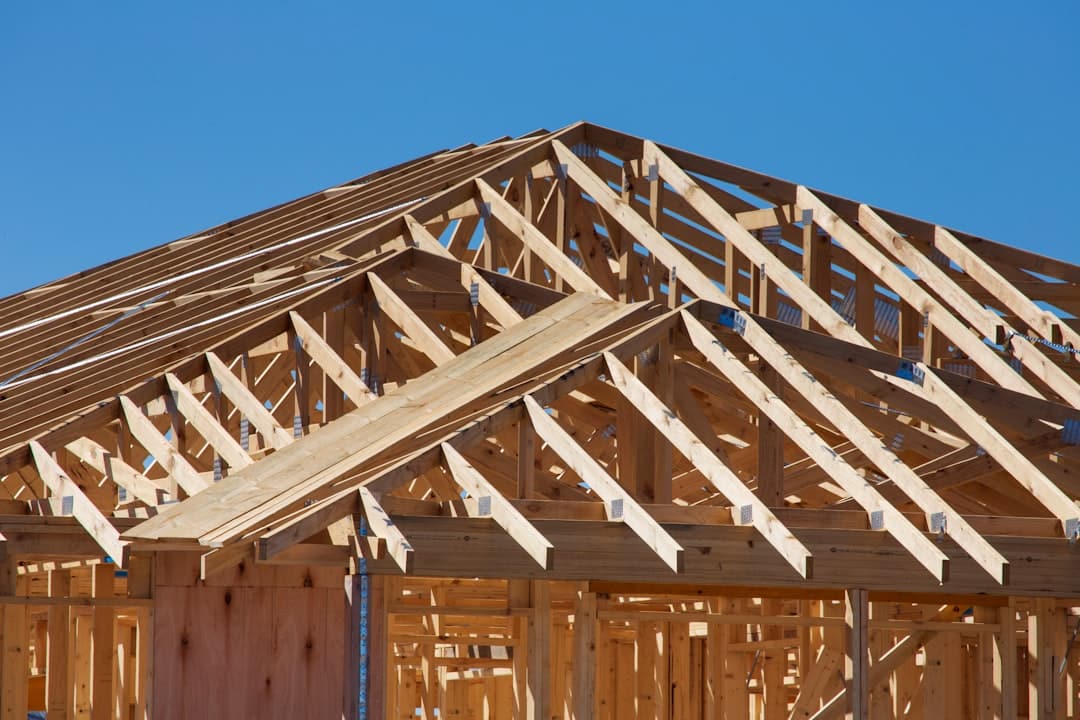
Builders Insurance Services: Secure Your Project 2025
Why Builders Insurance Services Are Critical for Construction Projects
Builders insurance services are a comprehensive suite of coverages designed to protect construction projects from a wide array of costly risks that can derail timelines, inflate budgets, and jeopardize the entire venture. From the moment ground is broken until the final walkthrough, a construction site is a hub of high-value materials, heavy equipment, and constant activity, making it uniquely vulnerable to financial loss.
Core Coverages
- Builder’s Risk: This is the cornerstone policy, covering the physical structure and materials against perils like fire, wind, theft, and vandalism. It protects your investment in lumber, fixtures, and equipment stored on-site or in transit. Without it, a single overnight fire could wipe out your entire investment.
- General Liability: This protects against claims of bodily injury or property damage to third parties. For example, if a visitor trips over a tool and gets injured, or a subcontractor accidentally damages a neighboring property, this coverage handles the legal fees and settlements.
- Workers’ Compensation: A legal requirement for any business with employees, this covers medical expenses and lost wages for workers injured on the job. Construction is an inherently risky industry, making this coverage non-negotiable.
- Commercial Auto: Protects company-owned trucks and vans used to transport materials, tools, and workers to and from the job site.
- Professional Liability: Also known as Errors & Omissions (E&O), this is crucial for design-build firms and contractors who provide design input. It covers financial losses arising from design errors, faulty specifications, or professional negligence.
Who Needs It?
Any party with a significant financial interest in a construction or major renovation project needs this protection. This includes homeowners starting on a large-scale addition, general contractors overseeing a new build, subcontractors responsible for specific trades, developers, and project managers. In Massachusetts, New Hampshire, and Maine, where weather can be unpredictable and building costs are high, having a robust insurance plan is a fundamental part of risk management.
Typical Cost & Term
Expect to invest 1–4 % of the total project value for a policy. The total project value includes all hard and soft costs, from labor and materials to architectural fees. Policies are typically written for terms that match the project timeline, such as 3, 6, or 12 months, with options for extension if delays occur.
Construction sites face fire, theft, weather, and accident exposures every day. A single uninsured loss can wipe out months of profit—or your life savings. Partnering with a knowledgeable agency like Stanton Insurance means you can focus on building while we handle the risk details.
What Are Builders Insurance Services and Why Are They Essential?

Picture this: you’re halfway through a major home renovation in a coastal New England town. A sudden nor’easter with gale-force winds tears the protective tarp from the roof. For hours, driving rain soaks the exposed structure, ruining not just the new framing but also the $30,000 in custom hardwood flooring waiting to be installed. Your standard homeowner’s policy or a general commercial property policy won’t cover this type of loss on an active construction site. You need specialized builders insurance services, and it must be in place before the first nail is driven.
As detailed in Wikipedia’s overview of builder’s risk insurance, these policies are specifically crafted to address the unique hazards and evolving nature of active construction projects. They are designed to fill the critical insurance gap that exists between the groundbreaking ceremony and the final certificate of occupancy, which is precisely when a structure is at its most vulnerable.
Key reasons they’re essential:
- High exposure window: A building under construction is an open target. Materials like copper piping and high-end appliances are prime targets for theft. Unfinished structures are highly susceptible to damage from wind, rain, and snow. The constant presence of contractors, subcontractors, and heavy machinery increases the likelihood of accidents and liability claims.
- Contract requirement: It’s nearly impossible to secure financing for a construction project without proof of adequate insurance. Lenders, municipalities, and project owners will almost universally mandate both builder’s risk and general liability coverage in the construction contract to protect their own financial interests. Failing to secure this coverage can halt a project before it even begins.
- Budget protection: The financial consequences of an uninsured loss can be catastrophic. Imagine having to repurchase a stolen shipment of custom windows, pay for the complete reframing of a water-damaged second floor, or cover the engineering and permitting fees to correct a major structural issue. These unexpected costs can easily double the project’s budget and lead to financial ruin.
Bottom line: whether you’re a DIY homeowner tackling a major remodel, a custom-home builder crafting dream homes, or a commercial developer launching a new facility, builders insurance services are the bedrock of a sound financial plan. They safeguard your significant investment from day one, providing the peace of mind needed to manage the complexities of construction.
Learn more about construction insurance
What Does Builder’s Risk Insurance Cover? Hard Costs, Soft Costs, and Exclusions

A comprehensive builder’s risk policy is structured to cover both the direct and indirect costs of a loss. A good policy clearly separates hard costs (the tangible, physical expenses of the build) from soft costs (the indirect but very real financial consequences that follow a covered loss).
| Cost Type | Examples | Typically Covered |
|---|---|---|
| Hard | Lumber, concrete, labor, scaffolding, rented lifts, HVAC systems, wiring, plumbing, fixtures | Yes |
| Soft | Architect redesigns, permits, loan interest, legal & accounting fees, real estate taxes | Endorsement |
Hard costs are the most straightforward part of the coverage. This includes the value of all materials, from the foundation to the rooftop, whether they are installed, in transit to the site, or stored at an approved off-site location. It also covers the value of temporary structures essential to the project, like scaffolding, construction forms, and site fencing.
Soft costs, often available through a policy endorsement, are just as critical. If a fire halts your project for three months, you still have to pay interest on your construction loan, pay fees to get new permits, and potentially pay architects and engineers to redraw plans. These costs can accumulate rapidly and are a major source of budget overruns after a loss. A soft cost endorsement ensures you’re covered for these indirect financial hits.
Other standard inclusions:
- Materials in transit or stored off-site: Protects your building materials before they even reach the job site.
- Temporary structures: Covers scaffolding, temporary fencing, and even the construction trailer on site.
- Debris removal: After a fire or major wind event, the cost to clear the site of damaged materials can be substantial. This coverage pays for that cleanup, allowing you to start rebuilding faster.
Common Exclusions
No policy covers everything. Standard exclusions include pre-existing damage, faulty design or workmanship (this is a performance issue, not an insurable peril), employee theft, government seizure, and acts of war. Critically for projects in New England, damage from flood and earthquake events is almost always excluded from a base policy. If you’re building near the coast in Massachusetts or Maine, or in any designated floodplain, adding a flood endorsement is essential. Similarly, while less common, earthquake coverage can be added by endorsement. Always review the exclusions section carefully with your insurance agent.
More about what builder’s risk insurance covers
Types of Builders Insurance Services: Blanket Coverage, Wrap-Up Liability, and More

Builders insurance isn’t a one-size-fits-all product. The right structure depends on the nature of your work, the size of the project, and the number of entities involved. Here are some common approaches:
Blanket Builder’s Risk
This is an ideal solution for busy general contractors or developers who manage several projects concurrently throughout the year. Instead of purchasing a new policy for every single job, a blanket policy provides continuous coverage for all projects that fall within the agreed-upon size and scope. This dramatically simplifies administration, ensures there are no gaps in coverage between projects, and can often result in a lower overall premium compared to buying individual policies. The contractor simply reports new projects as they begin.
Wrap-Up (OCIP/CCIP) Liability
For large, complex projects with numerous subcontractors, a wrap-up program is often the best choice. This is a single, project-specific insurance program that covers the owner, general contractor (GC), and all enrolled subcontractors for both general liability and workers’ compensation.
- OCIP (Owner Controlled Insurance Program): The project owner purchases and manages the program.
- CCIP (Contractor Controlled Insurance Program): The general contractor purchases and manages it.
By consolidating insurance under one umbrella, wrap-ups prevent disputes between different insurers, ensure all parties have adequate and uniform coverage, and can lead to cost savings through bulk purchasing power. This is typically paired with a builder’s risk policy for comprehensive, end-to-end protection.
Where It Fits With Other Policies
Understanding how builders insurance interacts with other policies is key:
- Commercial property: This policy takes over where builder’s risk leaves off. Once the building is substantially complete and receives its certificate of occupancy, the builder’s risk policy terminates, and the permanent commercial property insurance activates.
- General liability: While a wrap-up contains its own liability coverage, on smaller projects, the GC will have their own annual general liability policy. This covers third-party damages during construction, working in tandem with the builder’s risk policy which covers the property itself.
- Homeowner’s insurance: A standard homeowner’s policy is not designed for the risks of a major renovation and may even be voided by such work. A builder’s risk policy or a specialized renovation policy is required to fill this critical coverage gap.
Choosing the right mix of one-off policies, blanket coverage, or a full wrap-up program depends on your project’s value, complexity, and contractual obligations.
More about builder risk insurance
How Much Does Builders Insurance Cost and What Affects Your Premium?

While every project is unique, a general rule of thumb is that builders insurance services will cost between 1% and 4% of the total construction cost. This total cost includes all materials, labor, and overhead—essentially, the full replacement value of the finished project. Several key factors influence where your project will fall within this range:
- Project value & type: The higher the project value, the higher the premium. The type of construction also matters significantly. A standard wood-frame home is relatively inexpensive to insure compared to a multi-story steel-and-concrete commercial building or a custom home with irreplaceable finishes and complex engineering.
- Location: Geography plays a huge role, especially in New England. A project on the Massachusetts coast will have a higher premium due to the increased risk of hurricanes and nor’easters, requiring specific wind and potentially flood coverage. An inland build in New Hampshire might face higher risks related to heavy snow loads. Urban projects may have higher rates for theft and vandalism compared to rural sites.
- Timeline: The longer the construction schedule, the longer the insurer is exposed to risk. Therefore, a 12-month project will cost more to insure than a 6-month project of similar value. Delays and extensions will also add to the total premium.
- Security: Proactive risk management can lead to significant discounts. Insurers look favorably on well-managed sites. A project with perimeter fencing, adequate lighting, locked storage for materials, and video surveillance cameras is seen as a much lower risk for theft and vandalism, which can lower your premium.
- Contractor’s Claims History & Experience: The track record of the general contractor is a major rating factor. A contractor with years of experience and a clean claims history demonstrates a commitment to safety and quality, earning them preferred rates from insurers.
Policies are typically issued for 3, 6, or 12-month terms and can be extended if the project is delayed. The fastest ways to manage your costs are to opt for a higher deductible, bundle your builder’s risk with general liability coverage, and implement and document robust site security measures.
For help estimating your specific project costs, contact Stanton Insurance for a personalized quote and expert guidance.
Frequently Asked Questions about Builders Insurance Services
How is builder’s risk different from general liability?
Think of it this way: builder’s risk is first-party property coverage, while general liability is third-party liability coverage. Builder’s risk pays to repair or replace your own property (the structure and materials) if it’s damaged by a covered event like a fire or windstorm. General liability pays for damages you cause to others, such as a visitor’s medical bills if they are injured on your site, or repair costs for a neighbor’s fence that your excavator backed into. Most construction contracts require both policies.
Who buys the policy?
Typically, either the property owner or the general contractor purchases the builder’s risk policy. If the contractor buys it, the owner should ensure they are listed as an additional insured to protect their interests. If the owner buys it, they should list the general contractor. Regardless of who makes the purchase, anyone with a significant financial stake in the project, including lenders, should be properly named on the policy.
When should I purchase coverage?
Coverage must be in place before any work begins or any materials are delivered to the site. If a $20,000 lumber package is dropped off and stolen overnight before the policy is active, that loss is uninsured. The policy should start on or before the contract date and remains in effect until the project is substantially completed, the property is sold, or it becomes occupied—whichever comes first.
Does it cover project delays?
Standard builder’s risk policies do not cover financial losses from project delays. However, you can add a soft-cost endorsement or a delayed-opening endorsement. Soft costs cover indirect expenses incurred due to a delay from a covered loss, like additional loan interest, architectural fees, or insurance premiums. A delayed-opening endorsement is for commercial projects and covers lost rental income or business profits that would have been earned had the project finished on time.
What happens if the project value increases?
It’s common for project scopes to change, leading to an increase in the total construction value. This is known as a change order. It is critical to notify your insurance agent immediately when the project value increases so they can adjust your coverage limit. If you fail to report the change and a loss occurs, you could be underinsured and forced to pay a significant portion of the claim out of pocket.
More about who pays for builder’s risk insurance
Conclusion: Protect Your Project with Trusted Builders Insurance Services

In the high-stakes world of construction, unforeseen events are not a matter of if, but when. Investing a small percentage of your total project budget into a comprehensive builders insurance services package is one of the most critical financial decisions you can make. It transforms a potentially catastrophic loss into a manageable inconvenience, ensuring that a fire, theft, or storm doesn’t halt construction and drain your financial resources.
From the coastal risks in Massachusetts and Maine to the seasonal challenges in New Hampshire, a successful build requires local knowledge. For more than 20 years, Stanton Insurance Agency has been a trusted partner to New England builders, developers, and property owners. We understand the local landscape and are dedicated to crafting insurance solutions that provide robust protection and genuine peace of mind.
Don’t leave your investment exposed to chance. Let us handle the risk so you can focus on what you do best: building.
Ready to safeguard your next build in Massachusetts, New Hampshire, or Maine? Contact us today for a personalized builders insurance quote and move forward with confidence.